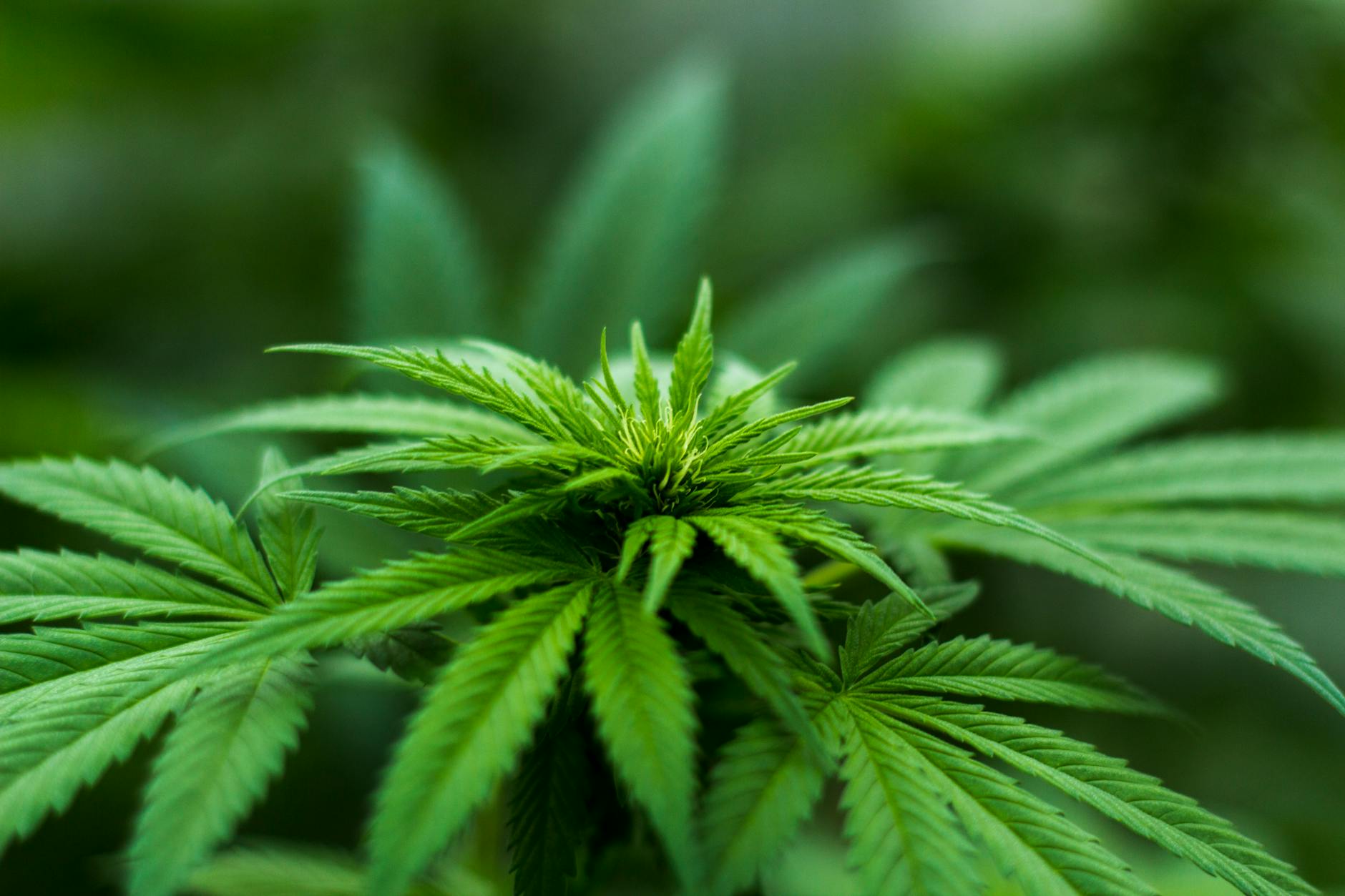
Ask people why they use cannabis and sleep comes up again and again. Millions of Americans reach for a joint, a vape or an edible at the end of the day in the belief that it helps them drift off and stay down. A long-running study from Northwestern University suggests that belief may not survive a closer look.
Researchers at Northwestern’s Feinberg School of Medicine found that both lifetime and recent cannabis use were associated with poorer sleep when that sleep was measured objectively, with a monitor worn on the wrist. The users themselves, however, generally did not report sleeping worse. The study was published in JAMA Network Open.
“This study challenges the common belief that cannabis helps people sleep better,” said Dr. Thanh-Huyen T. Vu, a research associate professor of preventive medicine and the study’s corresponding author.
Thirty-five years of data
The findings draw on the Coronary Artery Risk Development in Young Adults Study, known as CARDIA, which began enrolling Black and white young adults in 1985 and 1986 and has followed them ever since. That long horizon gave the researchers something rare: repeated measures of cannabis use stretching from young adulthood into middle age, allowing them to estimate both how much cannabis someone had used over their life and whether they were using it recently.
The analysis included 1,266 participants. In middle age, each wore a wrist-based sleep monitor for a week and completed surveys about how they thought they were sleeping. The researchers then compared the two views of the same nights.
The objective data told a consistent story. People with long-term cannabis exposure spent a smaller share of their time in bed actually asleep, a measure known as sleep efficiency. Their sleep was more fragmented, broken up by more frequent shifts toward wakefulness, and they spent more time awake after first falling asleep.
“The wearable device detected more nighttime disruption among participants with long-term cannabis exposure,” Vu said.
Recent users showed a related pattern, including lower sleep efficiency. They were also more likely to sleep longer than eight hours, a result that might sound like a benefit but is not usually read that way by sleep researchers, because unusually long sleep has been associated with poorer health in other studies.
A gap between feeling and fact
Perhaps the most intriguing result was the disconnect between what the monitors recorded and what participants reported. Cannabis users did not generally rate their sleep as worse than non-users did, even though the devices picked up more disruption.
“This was one of the most interesting findings,” Vu said of that mismatch.
The gap may help explain why the belief that cannabis aids sleep is so durable. If people feel that they fall asleep more easily, or simply do not notice the brief awakenings that fragment their night, they may conclude the drug is working while the quality of their sleep quietly erodes. Sleep fragmentation is, by its nature, something people are often unaware of.
“Our data do not support the belief that cannabis is helpful as a sleep aid,” said Dr. Mercedes R. Carnethon, chair of the department of preventive medicine at Feinberg and the study’s senior author.
Carnethon noted that as cannabis becomes legal and more widely available across the United States, it is important to better understand its long-term associations with health behaviors such as sleep.
What the study can and can’t say
The researchers are careful about the limits of their work. Because it is observational, the study cannot show that cannabis directly causes poorer sleep. People who use cannabis heavily over many years may differ in other ways that also affect sleep, and while long-term cohort data allow researchers to account for some of those differences, they cannot rule them all out.
The study also did not distinguish between methods of consumption. Smoking, vaping and edibles deliver cannabinoids to the body in different ways and on different timelines, and it is possible their effects on sleep differ too. Sleep was measured for a single week, which captures a snapshot rather than a full picture of someone’s habits.
Even so, the combination of a long follow-up, a sizable sample and objective sleep measurement makes the results harder to dismiss than studies that rely on self-report alone.
Better routes to rest
For people struggling to sleep, the researchers point to approaches with stronger evidence behind them. “Keep a regular bedtime, make your bedroom cool, dark and quiet,” advised Dr. Kristen L. Knutson, an associate professor of neurology and preventive medicine at Feinberg and a co-author of the study. She also recommended avoiding screens before bed.
People whose sleep problems persist, or whose partners notice loud snoring, should “talk with your health care provider to rule out an underlying sleep disorder,” Knutson said. Conditions such as sleep apnea are common, frequently undiagnosed and treatable, and no amount of self-medication is likely to fix them.
Featured image: Photo by Michael Fischer on Pexels.com
Notes
- Vu, T.-H. T., et al. “Recent and Cumulative Cannabis Use and Sleep in Middle-Aged Adults.” JAMA Network Open, October 9, 2026. DOI: 10.1001/jamanetworkopen.2026.38303.
- Northwestern University, “Think cannabis helps you sleep better? Think again,” news release via EurekAlert!, October 9, 2026, https://www.eurekalert.org/news-releases/1147171.


Leave a Reply