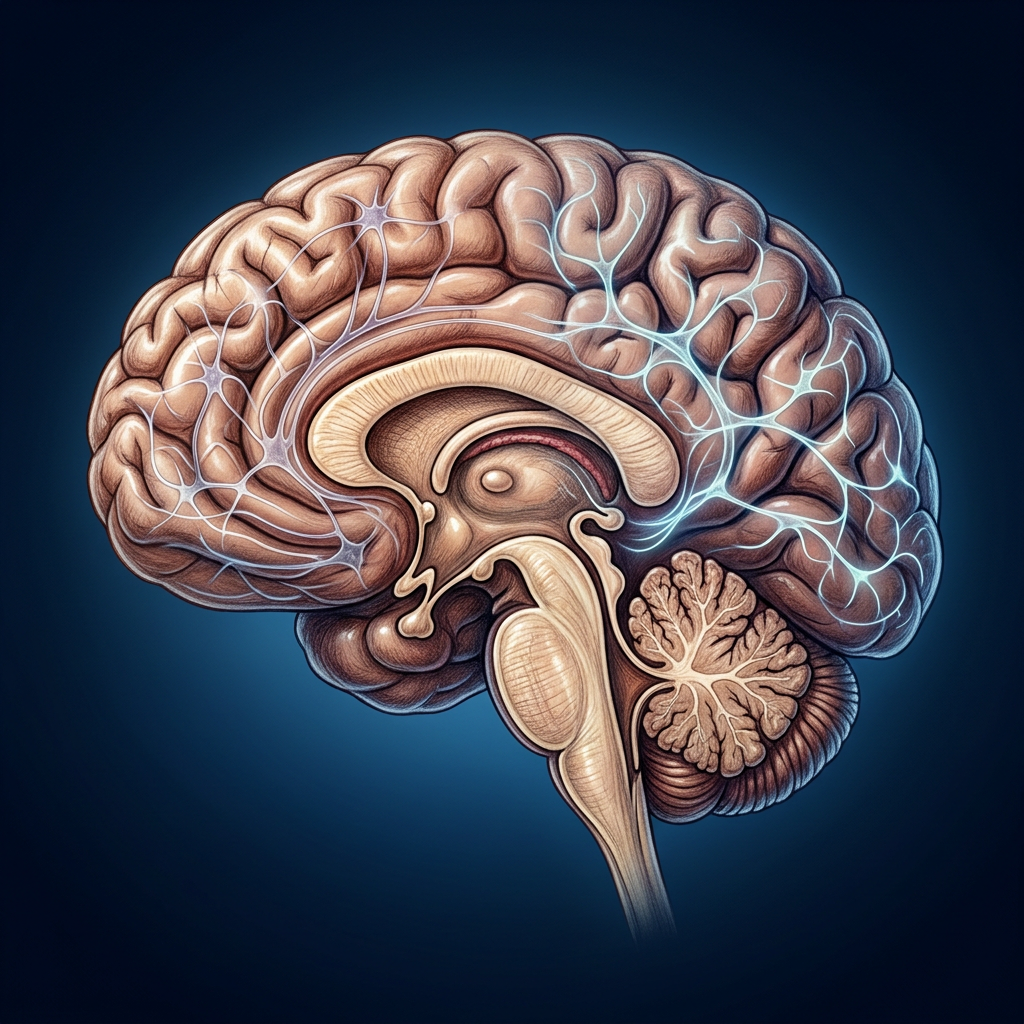
A traumatic brain injury does not always end when the bruises heal or the headaches fade. People who have suffered a serious blow to the head are known to face higher risks of anxiety, depression and other problems years later, even when scans look normal. What happens in the brain to produce those lasting effects has been hard to pin down.
A study led by the University of Malaga in Spain, with collaborators at the Ohio State University Wexner Medical Center in the United States, suggests part of the answer. In mice, a previous traumatic brain injury changed how the brain later responded to stress, priming immune cells in a key brain region to overreact. The findings are published in Brain, Behavior, and Immunity.
“A previous traumatic brain injury can cause subtle, virtually undetectable changes at the cellular and molecular levels that persist over time and may, in the future, alter individuals’ behavior in response to subsequent stressful situations,” said María Dolores López, a scientist at the University of Malaga and one of the study’s authors.
Injury, Then Stress
The researchers worked with male mice that had experienced a traumatic brain injury and compared them with uninjured animals. Later, the mice were exposed to acute social stress, in situations involving aggression and social defeat, a well-established laboratory model in which a mouse is confronted by a dominant, aggressive animal.
The question was whether a past injury would change how the brain handled this new stressor.
A Different Response in the Hypothalamus
It did. The team focused on the hypothalamus, a small region deep in the brain that links the nervous system to the endocrine system, the network of glands that release hormones. The hypothalamus plays a central role in the body’s stress response.
In mice with a previous brain injury, the hypothalamus responded differently to stress, showing increased inflammation. That altered response was associated with more avoidance-like and anxiety-like behavior.
Immune Cells With a Memory
The key players appear to be microglia, the brain’s resident immune cells. Microglia patrol brain tissue, clear debris and respond to injury, and they are central to the inflammation that follows trauma.
After a brain injury, the researchers found, microglia seem to acquire a kind of immune memory. They become sensitized, so that when a later stressor arrives, they react more strongly than they otherwise would. “This is reflected in changes in cell morphology and an increased production of inflammatory mediators,” López said.
In other words, the injury leaves microglia on a hair trigger. A stressful event that an uninjured brain might handle with a modest response instead provokes heightened inflammation.
Hormones Unchanged
One result stood out. Despite the changes inside the brain, the injured mice did not show a larger rise in cortisol, the main stress hormone measured in the blood, in response to stress. As the release puts it, “the brain appears to respond differently to stress, although the systemic hormonal response is not amplified.”
That distinction matters for doctors. If the effects of a past brain injury play out mostly inside the brain rather than in measurable blood hormones, standard blood tests may miss them. The changes López describes are, as she put it, “virtually undetectable.”
Connecting to Patients
The authors say their results are consistent with clinical data showing endocrine changes in patients who have suffered traumatic injuries. They suggest that the hypothalamus and microglia may play a significant role in the mechanisms behind those changes, and potentially in the anxiety and stress-related problems some patients experience long after an injury.
If that holds up, it could point toward new ways to protect patients. Treatments that calm sensitized microglia, or that reduce inflammation in the hypothalamus, might one day help prevent a past injury from amplifying the effects of future stress.
Mice First
Important caveats apply. The work has so far been done only in animal models, and only in male mice, so it is unclear whether the same patterns occur in females or in people. Laboratory models of brain injury and social stress capture parts of human experience but not all of it, and the release does not describe the severity of the injury or how long after injury the stress tests took place.
Still, the study adds to growing evidence that brain injuries can leave lasting biological traces that shape how people respond to the challenges of later life, and it points to the brain’s own immune cells as a possible place to intervene.
Featured image: An illustrated cross-section of the brain and its neural pathways. Scientific Inquirer media library. (The press release image is credited to the University of Malaga.)
Endnotes
- León-Rodríguez, A., Wangler, L., Goodman, E., Packer, J., Davis, A., Sheridan, J., Grondona, J. M., Godbout, J. P., and López-Ávalos, M. D. “Traumatic brain injury in male mice confers altered hypothalamic neuroendocrine responses, microglial morphological remodeling, and augmented avoidance behavior after acute social stress.” Brain, Behavior, and Immunity, 18 August 2026 (epub ahead of print). DOI: 10.1016/j.bbi.2026.106963.
- University of Malaga. “Research reveals that traumatic brain injury can alter the brain’s subsequent response to stress.” EurekAlert!, 8 October 2026. https://www.eurekalert.org/news-releases/1147055

Leave a Reply