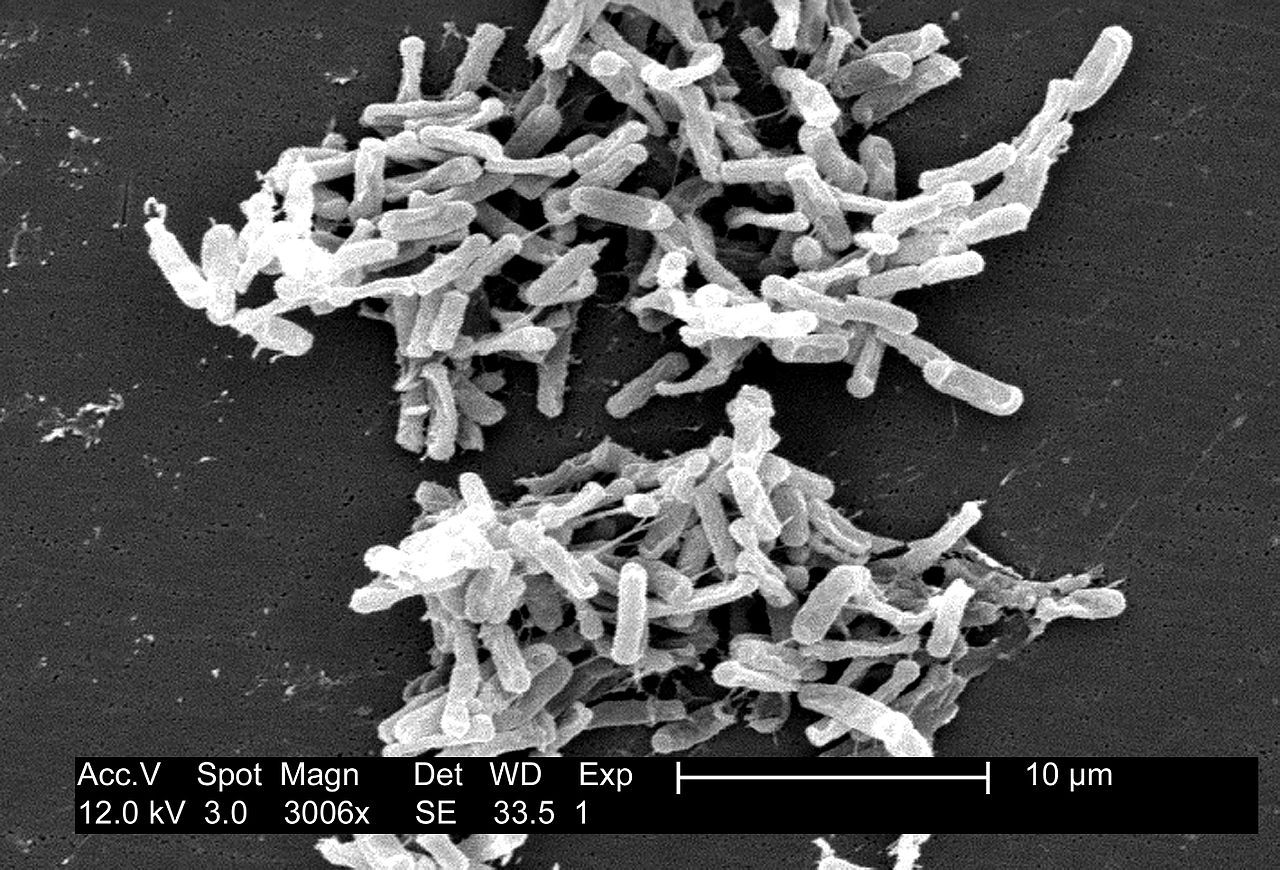
Antibiotics save lives, but they can also open the door to one of the most stubborn infections in medicine. Many people carry small numbers of Clostridioides difficile in their intestines without any symptoms, held in check by the trillions of other microbes that make up a healthy gut microbiome. Broad-spectrum antibiotics can wipe out those competitors. With the field cleared, C. difficile can multiply, release toxins and cause severe inflammation and diarrhea.
The result is a cruel irony: the standard treatment for C. difficile infection is more antibiotics, which can further damage the microbiome and set the stage for the infection to return. C. difficile is a leading cause of antibiotic-associated diarrhea, and relapse rates are high.
Researchers in Germany now report that a natural compound called argyrin B may break that cycle. In laboratory experiments and in mice, it attacked C. difficile while leaving beneficial gut bacteria largely untouched. The work, from the Helmholtz Centre for Infection Research and the Helmholtz Institute for Pharmaceutical Research Saarland (HIPS), is published in npj Antimicrobials and Resistance.
“We were able to show that the natural compound argyrin B is highly effective against CDI: both in laboratory experiments and in a mouse model of the infection, where it significantly reduces the bacterial load,” said Dr. Jennifer Herrmann, a senior scientist in the Microbial Natural Products department at HIPS.
A Compound From Soil Bacteria
Argyrins are not new. They are produced by myxobacteria, soil-dwelling microbes known for making a rich variety of bioactive compounds. Soil bacteria have long been a source of antibiotics, including streptomycin and many others discovered in the mid-20th century.
Scientists had already studied argyrins against another dangerous pathogen. “An antibacterial target of the argyrins had previously been identified and characterized in the notorious hospital-acquired pathogen Pseudomonas aeruginosa,” Herrmann said. “Now we have been able to show that argyrin B also acts on this target in C. difficile and exhibits particularly high efficacy in doing so.”
That was the unexpected part. A compound known for one target in one bacterium turned out to hit the same target in a very different pathogen, and to do so especially well.
Sparing the Good Microbes
The most promising feature of argyrin B may be what it does not do. “In contrast, the argyrins have virtually no effect on the beneficial microorganisms in our digestive tract,” Herrmann said. “The gut microbiome could therefore be spared during treatment with argyrin and restored to a healthy state more quickly.”
That matters because a healthy microbiome is one of the best defenses against C. difficile. A drug that clears the pathogen while leaving the protective community intact could, in principle, lower the risk of relapse rather than fueling it.
Staying in the Gut
Another useful property emerged in mice. When given orally, argyrin B barely entered the bloodstream and remained mostly in the large intestine, exactly where C. difficile causes trouble. Keeping a drug concentrated at the site of infection can boost its effectiveness there while limiting side effects elsewhere in the body.
An Alternative to Stool Transplants?
For patients with repeated relapses, one of the most effective current options is fecal microbiota transplantation, commonly known as a stool transplant. Healthy donor stool is introduced into the patient’s gut to restore a functioning microbial community. The treatment works for many people, but it is complex to administer and unpleasant for many patients.
The researchers suggest that an argyrin-based drug could reduce the need for such transplants by tackling the infection without destroying the microbiome in the first place.
Early Days
The findings are preliminary. The work so far has been done in laboratory cultures and a mouse model, and many promising antibiotic candidates fail when tested in people. The team’s next steps include determining the optimal dose and testing whether argyrin B works against recurrent infections in suitable models, a crucial question given that relapse is the hallmark challenge of C. difficile.
The release does not report the size of the reduction in bacterial load, how the microbiome was assessed, or safety data. Those details, along with eventual human trials, will determine whether argyrin B can become a real treatment.
Still, with antibiotic resistance rising and few new antibiotics reaching the market, a compound that targets a dangerous pathogen precisely while sparing the body’s microbial allies is worth watching. The research was led by Prof. Rolf Müller, department head and scientific director at HIPS, with contributions from Hannover Medical School and Saarland University Hospital.
Featured image: Clostridioides difficile bacteria. Scientific Inquirer media library.
Endnotes
- “Argyrin B Exhibits Potent Therapeutic Efficacy in a Clostridioides difficile-Infection Mouse Model while Preserving Microbiota Functionality.” npj Antimicrobials and Resistance, 16 July 2026. DOI: 10.1038/s44259-026-00248-x.
- Helmholtz Centre for Infection Research. “Well-known natural compound shows unexpected effect against a dreaded pathogen.” EurekAlert!, 8 October 2026. https://www.eurekalert.org/news-releases/1147016

Leave a Reply