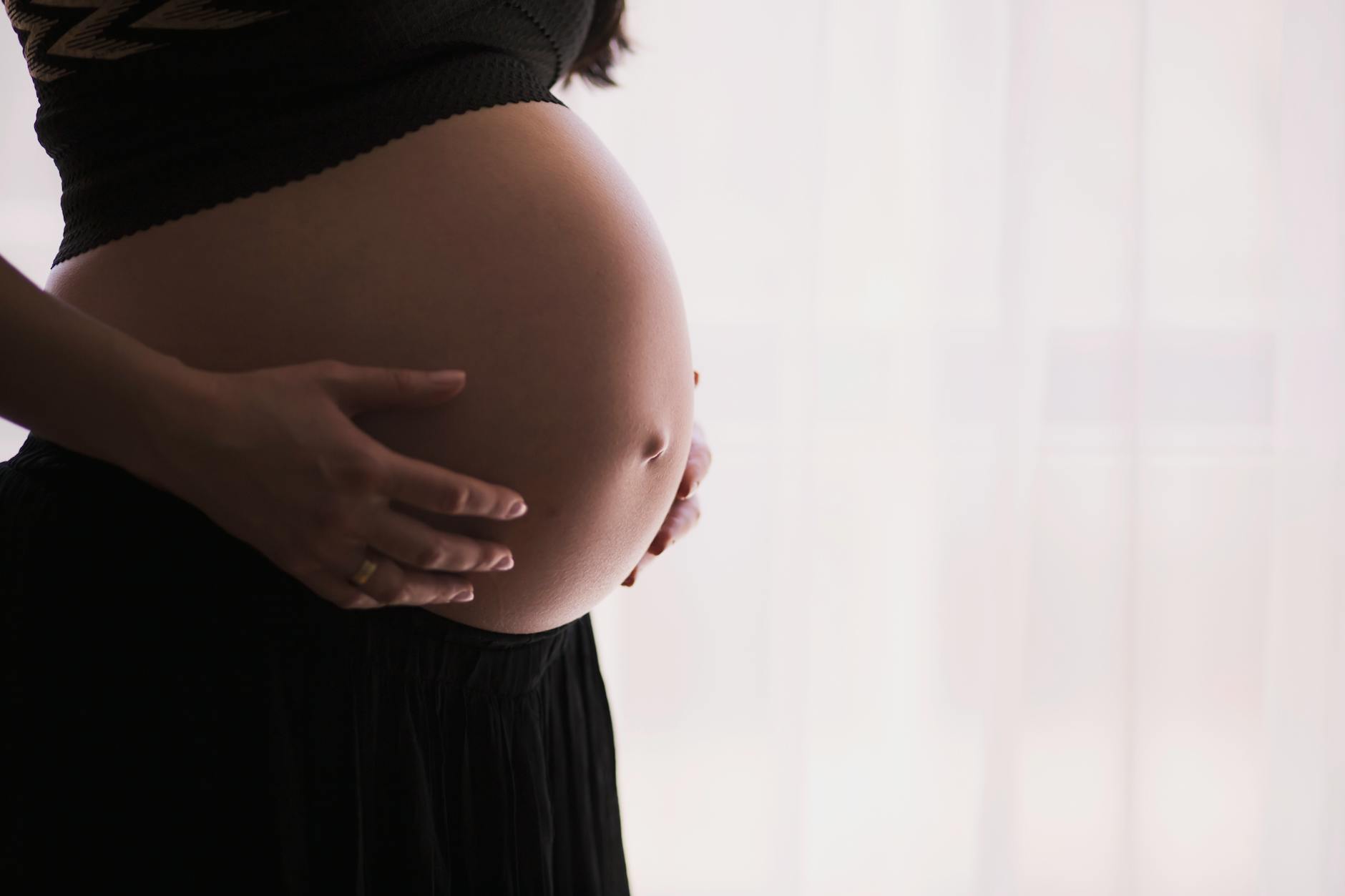
Gestational diabetes, high blood sugar that develops during pregnancy, is one of the most common complications of pregnancy. It can raise the risk of problems at birth, and for mothers it often signals a higher lifetime risk of type 2 diabetes. Diet, physical activity and weight management can help, but busy pregnant women and new mothers often struggle to get sustained support from stretched health services.
A large international trial led by University College Dublin suggests a smartphone may help fill that gap. The Bump2Baby and Me (B2B&Me) study found that personalized mobile health coaching, delivered from early pregnancy through the first year after birth, produced a clinically important reduction in gestational diabetes among women at increased risk. The results are published in The Lancet Digital Health.
“By utilising mHealth technology, we can deliver support in real-time directly to women when and where they need it most,” said Professor Sharleen O’Reilly of the UCD School of Agriculture and Food Science, the project lead and principal investigator.
A Four-Country Trial
The randomized controlled trial enrolled 865 pregnant women across Ireland, the United Kingdom, Spain and Australia. Participants joined at 12 to 24 weeks of pregnancy and had been identified as at increased risk of gestational diabetes.
Every participant received Bluetooth-enabled scales. They were then randomly assigned either to usual care or to usual care plus personalized mobile health coaching through a smartphone app. The app covered nutrition, physical activity and well-being, and trained healthcare professionals provided live sessions as well as support by text or video. The coaching continued from early pregnancy through 12 months after the birth.
Fewer Cases, Same Weight
Average maternal body mass index at 12 months postpartum did not differ between the two groups. On that count, the coaching did not deliver.
But on gestational diabetes, it did. Women in the app group had a clinically important reduction in cases compared with those receiving usual care. That combination is notable, because weight loss is often assumed to be the main route by which lifestyle programs lower diabetes risk.
“The Bump2Baby and Me trial showed that continuous, high-quality engagement with mHealth coaching can improve metabolic outcomes and reduce gestational diabetes incidence, independently of weight change,” O’Reilly said.
The findings suggest that changes in diet quality, activity or other behaviors may improve how the body handles blood sugar even when the number on the scale does not move much.
The Scale Still Mattered
Weighing in did make a difference for some women. Regular self-weighing with the Bluetooth scales was independently associated with a significant reduction in BMI. Because self-weighing was a behavior women chose rather than a randomly assigned treatment, that finding shows an association rather than proving that weighing caused the reduction, but it is consistent with research suggesting that self-monitoring supports weight management.
The researchers reported no adverse events related to the coaching program.
Care Beyond the Hospital
One of the trial’s strengths is its setting. It ran across four different healthcare systems, which the researchers say strengthens how broadly the findings may apply.
O’Reilly sees the approach as a way to ease pressure on overstretched services. “Our research provides a robust, scalable framework to alleviate pressure on routine maternity services while extending preventive care beyond the hospital walls into the vital first year postpartum,” she said.
The year after birth is a period when many new mothers fall out of regular contact with health services, even though it is an important window for preventing later type 2 diabetes in women who had, or were at risk of, gestational diabetes.
What the Release Doesn’t Say
The press release does not report the actual rates of gestational diabetes in each group, the size of the reduction, or its statistical confidence, so readers cannot judge from the release alone how large the effect was. It also does not report how many women used the app consistently, which matters for understanding how well such a program might work in routine care.
A successor initiative, Bump2Baby&Me+, has received €2 million in Horizon Europe partnership funding, suggesting the approach will continue to be developed and tested.
Featured image: A pregnant woman holding her belly. Photo by freestocks.org on Pexels.com.
Endnotes
- O’Reilly, S., et al. “Personalised mobile health coaching from early pregnancy to 12 months postpartum for women at risk of gestational diabetes: The Bump2Baby and Me multicentre randomised controlled trial.” The Lancet Digital Health, 12 November 2026.
- University College Dublin. “Personalized mobile health coaching significantly reduces diabetes risk in pregnant women and new mothers.” EurekAlert!, 12 November 2026. https://www.eurekalert.org/news-releases/1151304

Leave a Reply