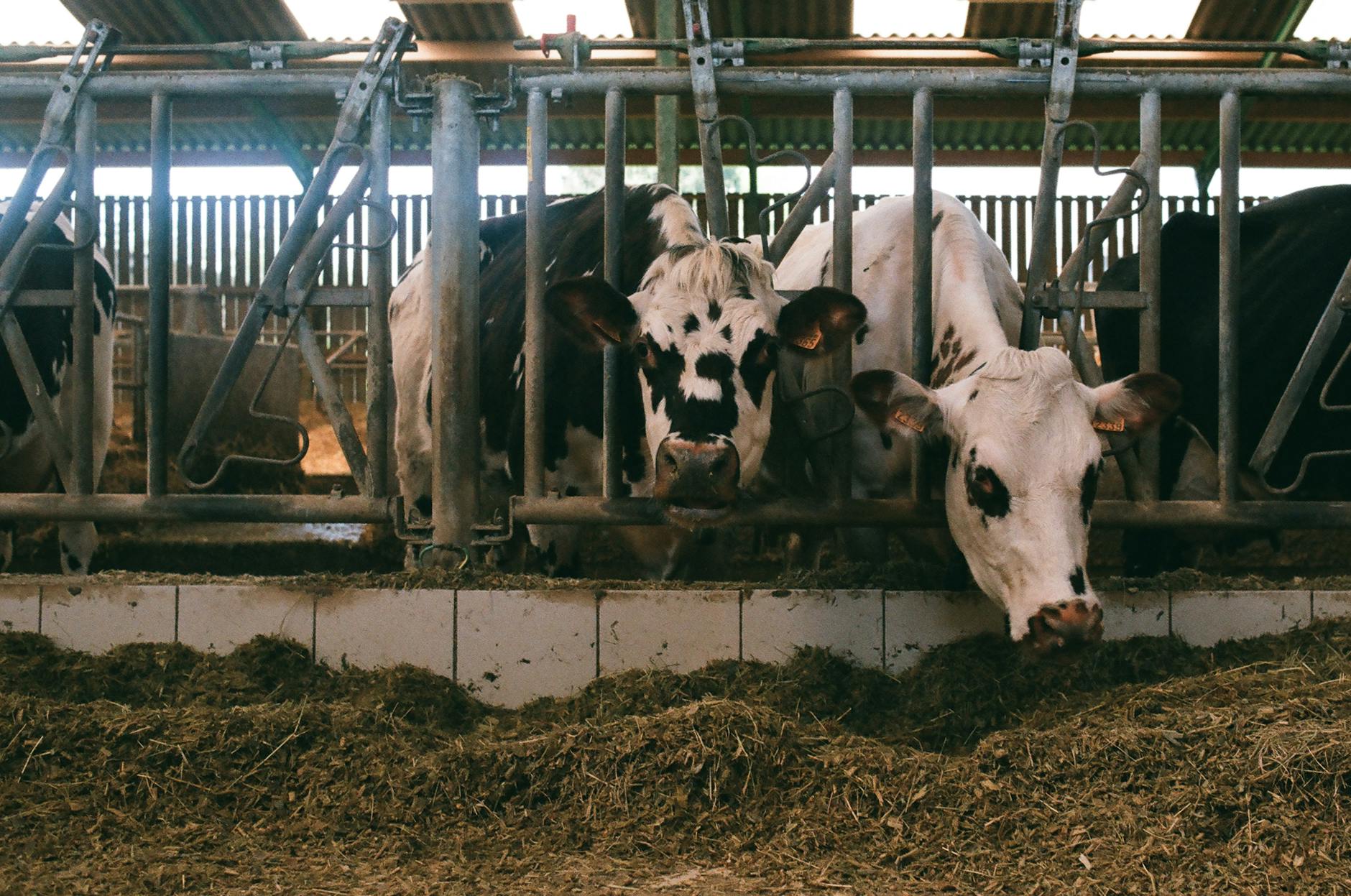
A year of sampling from Vermont and New York stores shows that how cows are raised — and the season — shapes the fatty acids in the milk on grocery shelves.
Stand in front of the dairy case and the choices can be dizzying: conventional, organic, grass-fed, pasture-raised, often at very different prices. Shoppers may wonder whether the labels reflect any real difference in what’s inside the carton. A new study suggests that, at least when it comes to certain fats, they do.
Researchers at the University of Vermont found that the fatty acid makeup of retail milk varies substantially depending on how the cows were raised, and that it shifts with the seasons. The findings were presented at NUTRITION 2026, the annual meeting of the American Society for Nutrition.
A year at the dairy case
The study was led by Emily Youngmark, MS, a PhD student at the University of Vermont, and Jana Kraft, PhD, an associate professor there. Over the course of a year, they collected more than 300 milk samples from retailers in Vermont and New York.
Using producer and label information, they sorted the samples into four categories: conventional (63 samples), organic (111), organic grass-fed (91), and non-organic pasture-based (40). They then analyzed the fatty acid content of each.
The omega gap
The clearest differences showed up in two families of polyunsaturated fats. Per one-cup serving of whole (3.25 percent fat) milk, averaged across seasons, organic grass-fed milk contained 88 milligrams of omega-3 fatty acids — more than three times the 25 milligrams found in conventional milk. Organic grass-fed milk had significantly more omega-3s than any of the other types.
The pattern reversed for omega-6 fatty acids. Conventional milk had the most, at 166 milligrams per serving, compared with 92 milligrams in organic grass-fed milk.
Non-organic pasture-based milk generally resembled organic milk, though with some seasonal variation. The researchers also found that branched-chain fatty acids and conjugated linoleic acids — other fats that have drawn research interest — varied by production method and season.
“These findings contribute to a greater understanding of the role that production systems may play” in shaping the nutritional profile of milk, Youngmark said.
It’s what the cows eat
The explanation appears to come down to diet. Cows that spend more time on pasture and eat more fresh forage seem to produce milk richer in beneficial fatty acids. That also helps explain the seasonal swings: forage quality changes through the year, and the milk reflects it.
The labels themselves carry different requirements. Conventional milk has no formal definition and generally comes from intensively managed dairy systems. Certified organic milk is federally regulated, prohibiting pesticides, genetically modified feed, and most synthetic additives, and requiring that cows have pasture access for at least 120 days per year. Organic grass-fed milk goes further, requiring at least 160 days of pasture access and no grain in the feed. “Pasture-based” claims emphasize grazing and can appear on either organic or non-organic milk.
Keeping it in perspective
Nutrition experts generally advise people to increase their omega-3 intake, since these fats are associated with lower risk of heart disease, type 2 diabetes, and inflammation. But Youngmark cautioned against overstating what a carton of milk can do.
“It is important to put these findings in perspective,” she said. “While the differences we observed may be nutritionally relevant, they are unlikely to produce major health effects” on their own.
For context, a single serving of fatty fish such as salmon delivers far more omega-3s than even the richest milk in the study. The value of grass-fed milk’s extra omega-3s is likely to be incremental rather than transformative.
“Rather, the fatty acid composition of organic grass-fed milk may contribute as one component” of a healthy overall diet and lifestyle, Youngmark said. “The observed differences in fatty acid composition may represent one factor consumers consider when choosing milk products.”
Preliminary results
The findings were presented as a conference abstract and have not yet undergone the full peer review required for journal publication, so they should be considered preliminary. The samples came from a single region of the Northeast, and results might differ elsewhere. And the study measured what is in the milk, not whether drinking one type rather than another changes anyone’s health — a question the researchers say will require further study.
Still, for shoppers trying to make sense of the dairy aisle, the study offers a concrete answer to a common question. The labels aren’t just marketing: how a cow is raised leaves a measurable signature in the milk it produces.
Featured image: Photo by Olga Lioncat on Pexels.com
Notes
- Youngmark, E., & Kraft, J. Fatty acid composition of retail milk by production system and season. Poster presentation, NUTRITION 2026, American Society for Nutrition, National Harbor, Md., July 27, 2026. (Conference abstract; not yet peer reviewed.)
- American Society for Nutrition. “Nutritional composition of milk varies by production method and season.” News release via EurekAlert!, July 27, 2026. https://www.eurekalert.org/news-releases/1136444



Leave a Reply