
Researchers from the United States, Brazil, and Spain, including scientists with the Fralin Biomedical Research Institute at VTC, published an analysis in a special edition of the British Medical Journal with a timely and controversial recommendation: It’s time for an international shift in the way we think about ultra-processed food.
“There is converging and consistent support for the validity and clinical relevance of food addiction,” said Ashley Gearhardt, the article’s corresponding author and a psychology professor at the University of Michigan. “By acknowledging that certain types of processed foods have the properties of addictive substances, we may be able to help improve global health.”

While people can give up smoking, drinking, or gambling, they can’t stop eating, said co-author Alexandra DiFeliceantonio, assistant professor at the Fralin Biomedical Research Institute. The challenge, and the open and controversial question, is defining which foods have the most potential for addiction and why.
Their work was published Oct. 10 in Food For Thought, a special edition of the British Medical Journal, a high-impact publication and one of the world’s oldest medical journals.
Sign up for the Daily Dose Newsletter and get every morning’s best science news from around the web delivered straight to your inbox? It’s easy like Sunday morning.
DiFeliceantonio is also associate director of the Fralin Biomedical Research Institute’s Center for Health Behaviors Research and an assistant professor in the Department of Human Nutrition, Foods, and Exercise in the College of Agriculture and Life Sciences at Virginia Tech.
Not all foods have the potential for addiction, the researchers said.
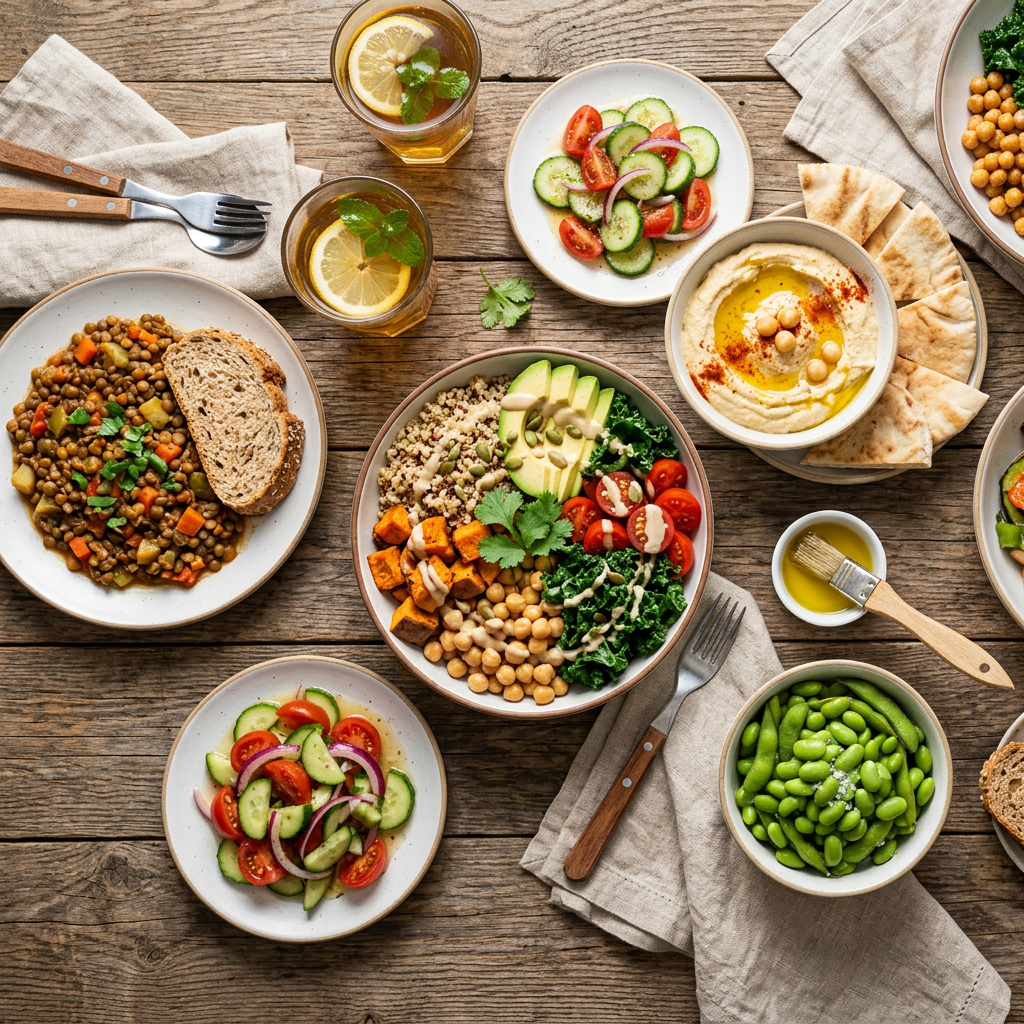
“Most foods that we think of as natural, or minimally processed, provide energy in the form of carbohydrate or fat – but not both,” DiFeliceantonio said.
Researchers gave the example of an apple, salmon, and a chocolate bar. The apple has a carbohydrate to fat ratio of roughly 1-to-0, while the salmon has a ratio of 0-to-1. In contrast, the chocolate bar has a carbohydrate to fat ratio of 1-to-1, which appears to increase a food’s addictive potential.
“Many ultra-processed foods have higher levels of both. That combination has a different effect on the brain,” DiFeliceantonio said. Researchers also called for more study into the role of food additives used in industrial processing. Key takeaways from the analysis include:
- Behaviors around ultra-processed food, which are high in refined carbohydrates and added fats, may meet the criteria for diagnosis of substance use disorder in some people. Those behaviors include less control over intake, intense cravings, symptoms of withdrawal, and continued use despite such consequences as obesity, binge eating disorder, poorer physical and mental health, and lower quality of life.
- This global health challenge needs to consider geographic differences. In a review of 281 studies from 36 different countries, researchers found ultra-processed food addiction is estimated to occur in 14 percent of adults and 12 percent of children. In some countries, ultra-processed foods are a needed source of calories. Even within high-income countries, food deserts and other factors could limit access to minimally processed foods. People facing food insecurity are more reliant on ultra-processed foods, and therefore more likely to demonstrate food addiction, researchers noted.
- Viewing some foods as addictive could lead to novel approaches in the realm of social justice, clinical care, and public policy. Policies implemented in Chile and Mexico – taxes, labelling, and marketing – are associated with decreases in caloric intake and purchases of foods high in sugar, saturated fat, and salt, for example. And in the United Kingdom, a salt-reduction program was associated with a decline in deaths from stroke and coronary artery disease.
The co-authors represent international expertise on food addiction, nutrition physiology, gut-brain reward signaling, food policy, behavioral addiction, and eating disorders. They call for more study and science surrounding ultra-processed foods,
“Given how prevalent these foods are — they make up 58 percent of calories consumed in the United States — there is so much we don’t know.” DiFeliceantonio said.
The researchers call for more study into such areas as: how complex features of ultra-processed foods combine to increase their addictive potential; better defining which foods can be considered addictive; differences among countries and communities, including disadvantaged communities; the value of public-health messaging; and clinical guidelines for preventing, treating, and managing addiction to ultra-processed foods.
IMAGE CREDIT: Clayton Metz/Virginia Tech
If you enjoy the content we create and would like to support us, please consider becoming a patron on Patreon! By joining our community, you’ll gain access to exclusive perks such as early access to our latest content, behind-the-scenes updates, and the ability to submit questions and suggest topics for us to cover. Your support will enable us to continue creating high-quality content and reach a wider audience.
Join us on Patreon today and let’s work together to create more amazing content! https://www.patreon.com/ScientificInquirer



Leave a Reply