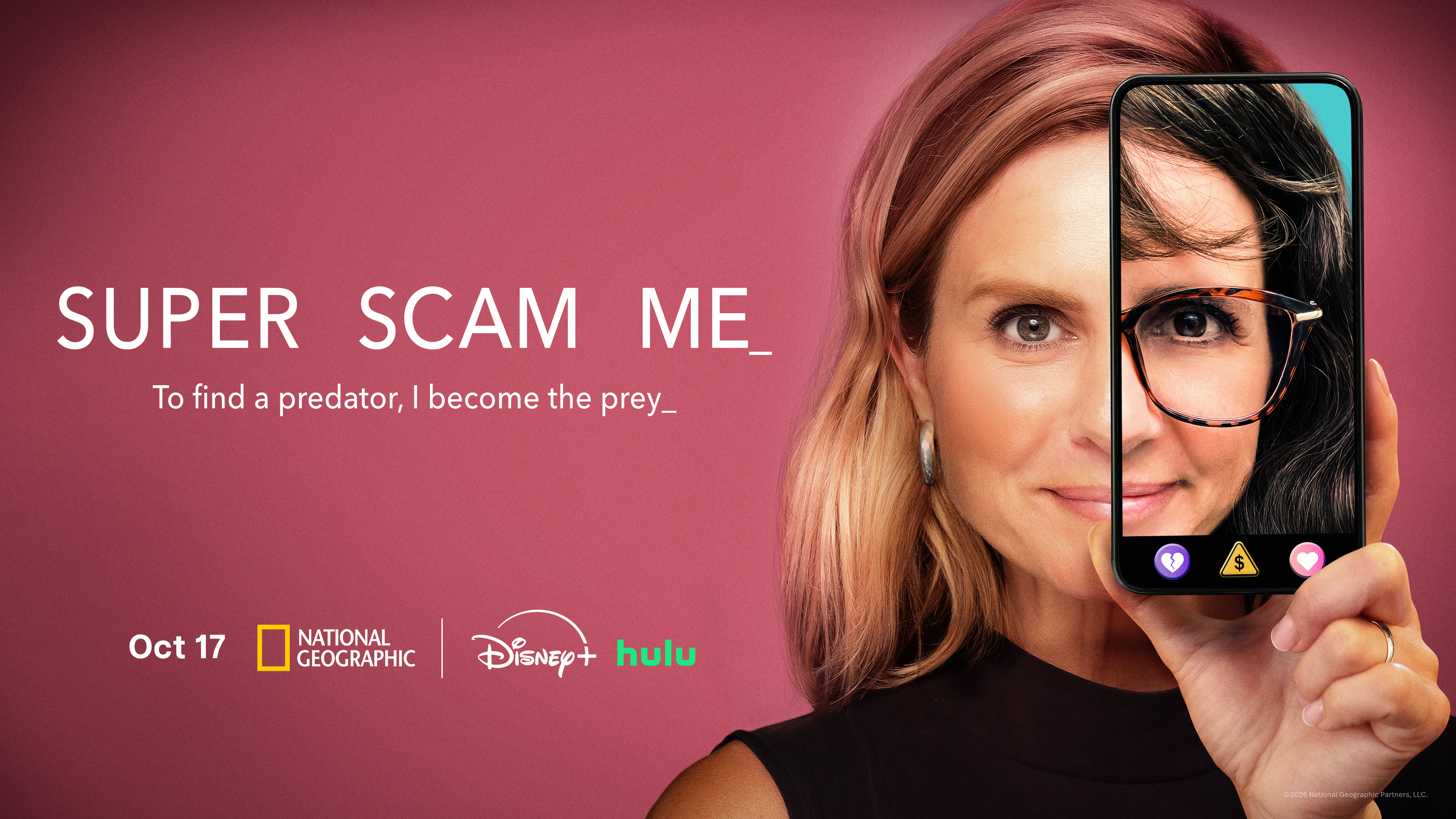
In National Geographic’s Super Scam Me, investigative journalist Mariana van Zeller goes undercover to expose the rapidly evolving world of romance scams, creating a fake online persona and deliberately making herself a target. Along the way, she teams up with ethical hacker Arman Sadri, better known as Arman the Cyber, to track scammers, uncover their identities and understand the tactics they use to manipulate victims. The documentary explores how generative AI, deepfakes and social engineering are making online deception increasingly convincing—and increasingly difficult to detect. Scientific Inquirer spoke with Arman about his own path from teenage hacker to cybersecurity professional, how scammers inadvertently reveal themselves, and what people can do to protect themselves from increasingly sophisticated fraud.
Marc Landas: As a teenager, you were arrested for hacking. What changed between then and now, and how did you end up using those skills to help people?
Arman the Cyber: Definitely my mindset. After learning my lesson the hard way, I wasn’t out trying to do anything illegal anymore. My mindset changed, and I started thinking more broadly about the skills I had developed. I asked myself: What skills had I been using for bad that I could instead use for good?
Marc Landas: In Super Scam Me, you help Mariana van Zeller trace romance scammers all the way to their doorstep. Without giving away anything sensitive, how do you follow that trail? What mistakes do scammers make that give them away?
Arman the Cyber: A lot of them are simply in a rush to get the money, and when you’re rushing, you’re not necessarily thinking carefully about what you’re doing. We took advantage of that. We didn’t necessarily hack them, but we would socially engineer them into accepting certain requests that could help us determine their location.
Marc Landas: The film shows a deepfake of Jon Bon Jovi convincing a woman to hand over her life savings. How has generative AI changed these scams in the past few years?
Arman the Cyber: It has really allowed scammers to build trust by using other people’s images in ways that weren’t possible before. Now it can be much more believable. If someone gets on a video call and appears to be the person they claim to be, people are much more likely to believe them.
Marc Landas: Many victims are smart, successful people. From what you’ve seen, what is it about these scams that gets past people’s defenses?
Arman the Cyber: They prey heavily on emotion. With relationships in particular, there is a lot of emotion involved. Scammers take advantage of the human side of things. People make mistakes, and scammers try to exploit people who may be naive or who simply aren’t educated about how these schemes work.
Marc Landas: What are the most important things people, especially older relatives who are new to online dating, can do to protect themselves? And what should platforms and law enforcement be doing that they aren’t?
Arman the Cyber: I would definitely vet whoever you’re talking with online and be very careful. One major red flag is if someone starts asking you for money. It doesn’t matter what the situation or explanation is. If you’ve never met that person in real life and they’re asking you for money, that’s a big red flag.



Leave a Reply