A clinical trial at UC Davis Health and six other sites showed that a cellular therapy offers promise for patients with late-stage Duchenne muscular dystrophy (DMD), a rare genetic disorder causing muscle loss and physical impairments in young people.

The therapy appears to be safe and effective in stopping the deterioration of upper limb and heart functions. It is the first treatment to lead to meaningful functional improvements in the most severe cases of DMD patients.
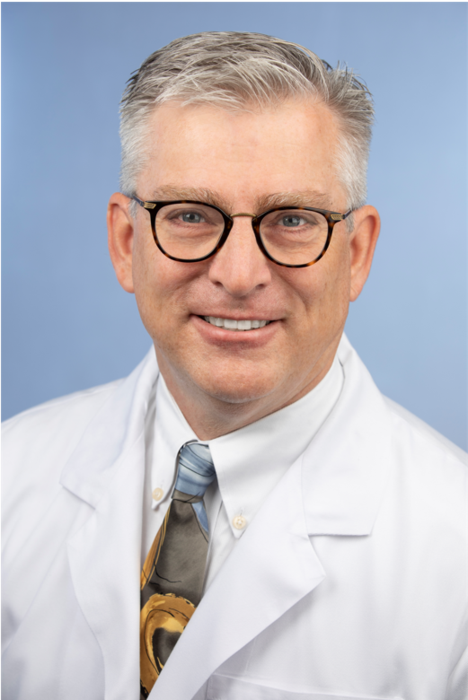
“HOPE-2 is the first clinical trial to test systemic cell therapy in DMD,” said Craig McDonald, the trial’s national principal investigator and lead author on the study. McDonald is the professor and chair of physical medicine and rehabilitation and professor of pediatrics at UC Davis Health. “The trial produced statistically significant and unprecedented stabilization of both skeletal muscle deterioration affecting the arms and heart deterioration of structure and function in non-ambulatory DMD patients.”
Findings from the trial were published today in The Lancet.
Cellular therapy for muscular degeneration
In the Phase II clinical trial, the researchers used Capricor Therapeutics’ CAP-1002 allogeneic cardiosphere-derived cells (CDCs) obtained from human heart muscles. These cells can reduce muscle inflammation and enhance cell regeneration.
“The primary mechanism of the CAP-1002 therapy is to help reduce the disease’s serious chronic inflammation problems, decrease fibrosis and improve muscle regeneration, and thereby maintain or improve critical heart and skeletal muscle function,” McDonald said.
The trial examined the long-term efficacy and safety of repeated intravenous infusions of CAP-1002 for the treatment of late-stage DMD. It enrolled 20 patients with DMD at seven U.S. centers. The participants were at least 10 years old with moderate weakness in their arms and hands. They were randomly assigned to receive either CAP-1002 or a placebo every three months for one year, with a total of four infusions.
Significant improvements in arm, hand and heart functions
The team assessed upper limb function using the scale Performance of Upper Limb (PUL) motor function for DMD, heart function using cardiac magnetic resonance imaging (MRI), spirometry measures of respiratory function, and circulating biomarkers.
The researchers assessed the PUL for the participants at their first infusion and after one year. They measured the change in the mid-level/elbow PUL scores between these two readings. The study found a significant favorable change in participants who received CAP-1002, compared to those who got the placebo. There was far less deterioration of upper extremity muscle function in the cell-treated group.
The cardiac MRI also showed that the heart structure and function seemed to improve in participants who received CAP-1002.
“Here we show the promise of cell therapy in preventing the progression of heart disease in a rare genetic disease, but there is good reason to believe that such therapy may one day also be used for more common forms of heart failure,” said co-author Eduardo Marbán, a pioneering heart researcher who first discovered that CDCs might be useful in treating DMD. He is the Mark Siegel Family Foundation Distinguished Professor and executive director of the Smidt Heart Institute of the Cedars-Sinai Medical Center in Los Angeles.
Moving forward
McDonald and collaborators in other centers in the United States are launching a Phase III clinical trial, HOPE-3. The goal of this study is to confirm the efficacy of CAP-1002 in a larger cohort of patients.
“The FDA has signaled that a larger Phase III study would be the next step toward gaining drug approval. We need to confirm therapeutic durability and safety of CAP-1002 beyond 12 months for the treatment of muscular degeneration in the heart and skeleton,” McDonald said.
What is Duchenne muscular dystrophy
DMD is a disorder that affects about 1 in 5,000 people – mostly boys. It usually becomes apparent in early childhood, causing progressive weakness and chronic inflammation of the skeletal, heart and respiratory muscles and delays milestones such as sitting and walking. Patients with DMD typically lose their ability to walk in their teenage years and develop heart and lung complications as they age.
Treatments for DMD are limited and there is no known cure. Current therapies that target skeletal muscles are not as effective in treating the heart muscle weakened by DMD. A therapy that stabilizes or reverses heart deterioration, while improving upper limb function, would be unique in its ability to address the tremendous burden of disease seen in advanced DMD patients.
“This cell-based therapy is innovative in that it addresses critical needs of patients with the most severe disease burden and stabilizes both upper limb and heart function. Therapies that address the later stages of the disease can make a tremendous impact on the quality of life for boys and young men with DMD and lessen the burden of care for their families,” McDonald said.
IMAGE CREDIT: UC Regents




Leave a Reply