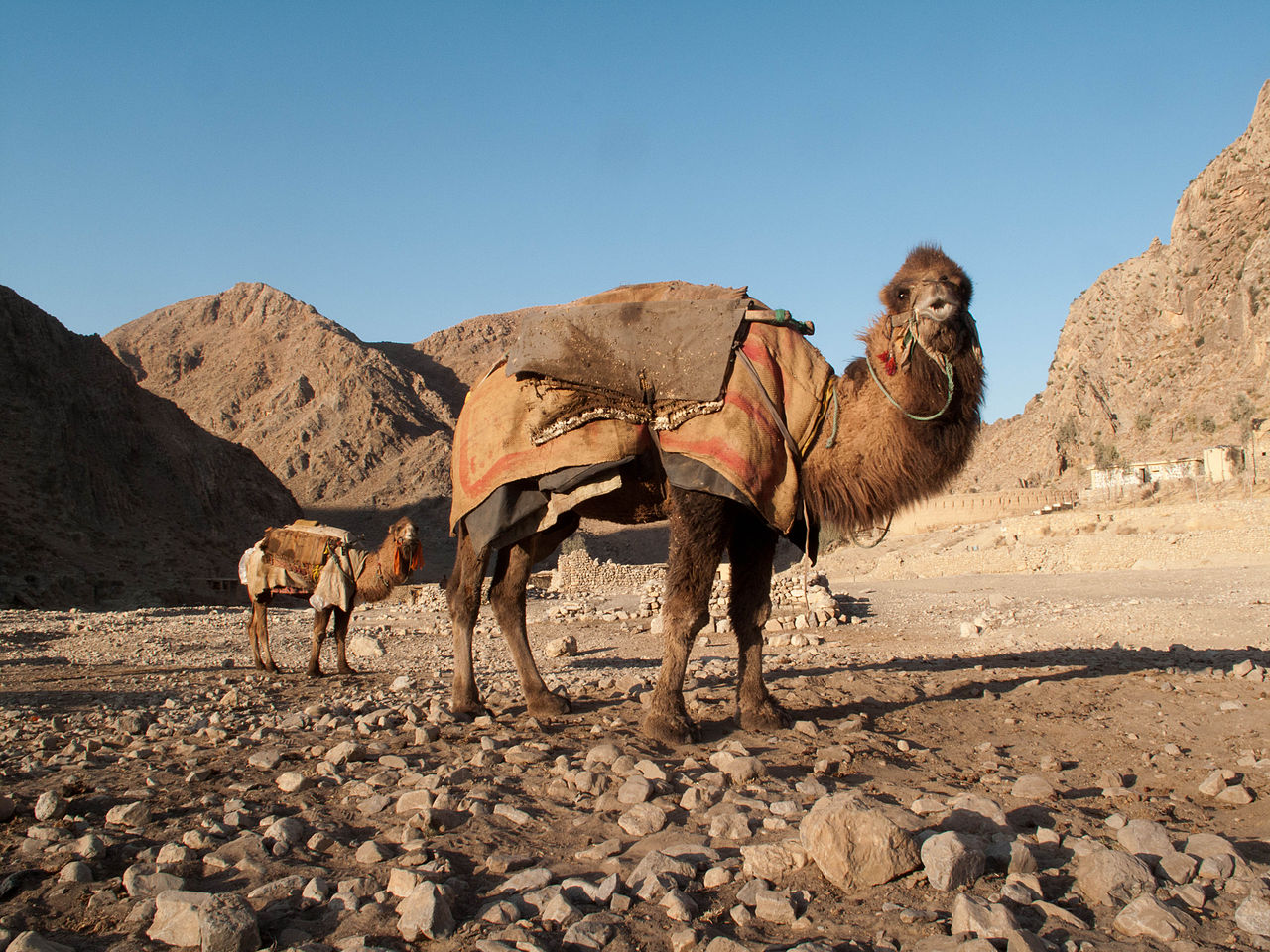
In the pastoralist regions of eastern Ethiopia, camels are central to how people make a living. They are herded, milked, traded and slaughtered, and they live in close company with the families who depend on them. A study published in Social Science & Medicine argues that to understand the risk of diseases passing between those animals and their keepers, it is not enough to study the microbes. The politics, culture and economics around the camels matter too.
The research was co-led by Amira Roess, a professor of global health and epidemiology at George Mason University’s College of Public Health. “When we think about diseases moving between animals and people,” Roess said, attention usually settles on the pathogen or on the animal carrying it. Her argument is that the wider social and economic circumstances shaping how humans and animals come into contact need to be understood as well.
Listening Across the Camel Economy
The study is qualitative. The researchers interviewed more than 100 people working at every stage of the camel economy in eastern Ethiopia, including those who herd the animals, care for them, milk them, trade them and slaughter them. From those conversations they identified several conditions that could influence the risk of zoonotic disease, the term for infections that spread between animals and humans.
The first is simple proximity. People and camels often live close together, and camels grazing in open country can encounter wildlife.
The second is diet. Raw, unpasteurized camel milk is widely drunk fresh.
The third is conflict. Violence and displacement are changing how people and their herds travel, pushing them onto new routes and into wildlife preserves. That moves livestock into unfamiliar environments and changes where they meet other animals.
The fourth is trade. Restrictions on trade and difficulty reaching export facilities push more buying and selling into informal markets, which fall outside the reach of disease surveillance.
The Case for One Health
None of these factors is biological in the narrow sense, and that is the point. A displaced family taking its herd through a wildlife preserve, or a trader who cannot reach an inspected export facility, alters the pattern of contact among people, livestock and wild animals as surely as any change in a virus. Because most emerging infectious diseases move between animals and humans, the researchers advocate a One Health approach, which treats human, animal and environmental health as a single connected problem.
The paper is part of a long-running international collaboration, funded in part by a $2.5 million grant from the U.S. National Science Foundation on which Roess is principal investigator.
Some limits follow from the design. An interview study can show how people live and work with their animals and where the opportunities for transmission lie. It cannot measure how often transmission happens. The university’s account of the research reports no infection rates, names no specific pathogens and describes no follow-up studies. What it offers is a map of the circumstances in which surveillance and prevention would have to operate, in a region where the camel is both a livelihood and a possible route for disease.
Endnotes
- “Diets, politics, and camel economies: a qualitative One Health study of zoonotic disease risk in pastoralist regions of eastern Ethiopia.” (July 28, 2026). Social Science & Medicine. https://doi.org/10.1016/j.socscimed.2026.119644
- George Mason University (October 6, 2026). “How political, cultural, and economic forces can shape the risk of zoonotic disease.” EurekAlert! https://www.eurekalert.org/news-releases/1146931


Leave a Reply