Tel Aviv University researchers report 93 per cent sensitivity for stage 2–4 disease using an optical DNA chip, in a 103-person study at about $60 a sample.
Liquid biopsy — detecting cancer from DNA fragments circulating in blood — works, and it is expensive. The fragments are present at very low abundance among DNA shed by healthy cells, so distinguishing them has generally required deep genetic sequencing, with the instruments, reagents and bioinformatics that implies.
A study in npj Precision Oncology from Tel Aviv University takes a different route: rather than reading the sequence of circulating DNA, it reads a chemical pattern on that DNA optically, using a chip and a light scanner.
The study was led by Professor Yuval Ebenstein of Tel Aviv University’s School of Chemistry, Department of Biomedical Engineering and Zimin Institute, in collaboration with JaxBio Technologies, Bnai Zion Medical Center and Sheba Medical Center.
How it works
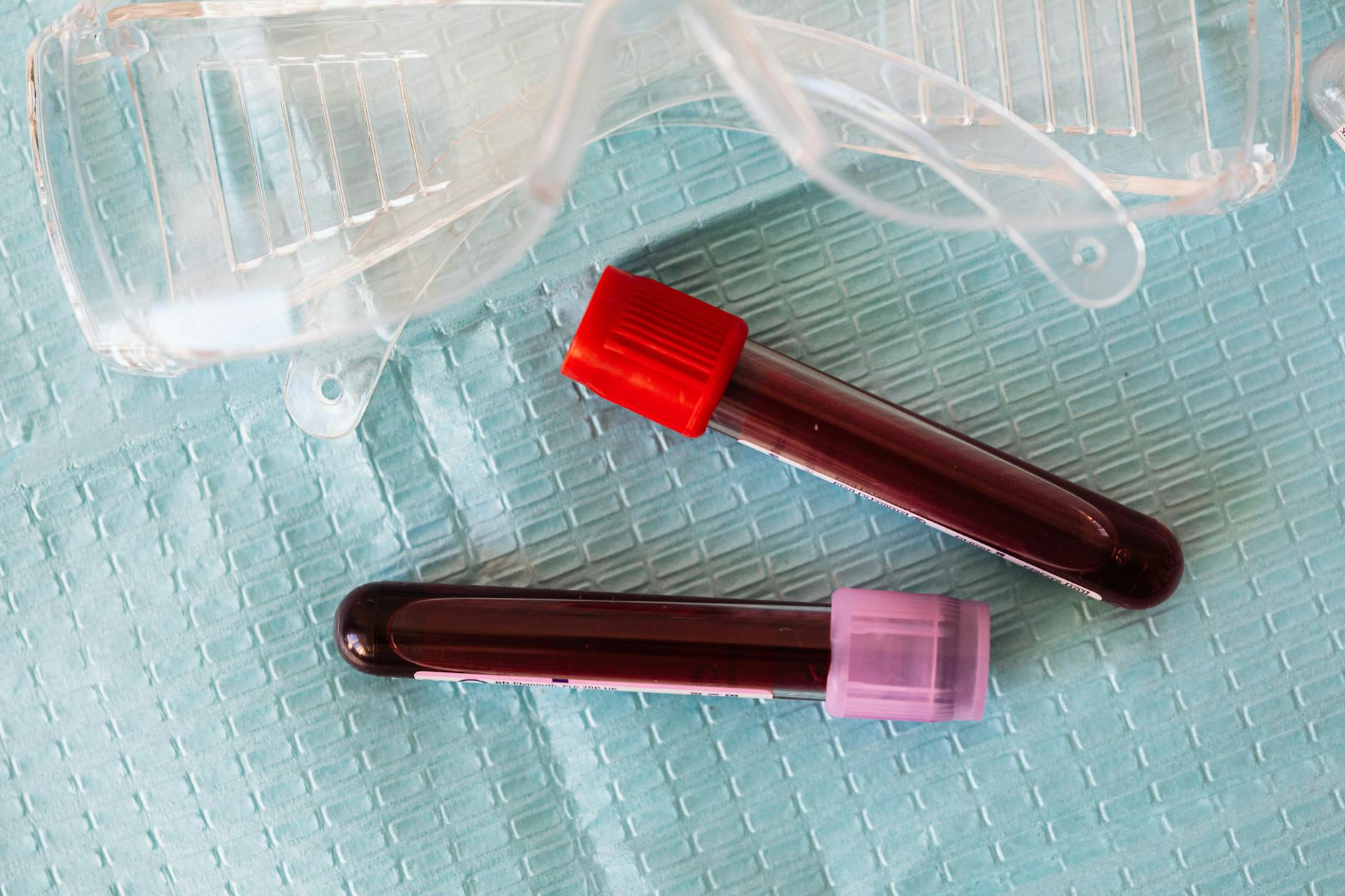
The procedure is short. DNA is extracted from blood, labelled with a light-emitting marker, bound to a DNA chip, and read with an optical scanner. What the method detects is a chemical fingerprint distinguishing cancer-derived DNA from the rest.
Removing sequencing from the workflow is the point, and the economic consequence is the claim worth testing. Turnaround is given as two to three days at about $60 per sample — which, if it holds, puts the test in a different category from sequencing-based liquid biopsies that typically cost hundreds to thousands of dollars and run in specialised laboratories. An optical scanner is ordinary equipment.
“Our goal is to make blood tests for cancer diagnosis more accessible, simpler, and less expensive without compromising accuracy,” Ebenstein said. “We have developed a new approach that does not require genetic sequencing but instead identifies the tumor’s chemical ‘fingerprint’ with light, using a technology that can be implemented in standard clinical laboratories.”
That last clause is the substantive part. A diagnostic that needs no specialised instrument can be deployed where sequencing cannot, which matters more for lung cancer than for most cancers, since the disease is most survivable when found early and most of the world has no access to screening.
The numbers
Accuracy is reported above 90 per cent overall. For stage 2 to 4 disease, sensitivity was 93.1 per cent and specificity 90.3 per cent.
The study had 103 participants: 51 lung cancer patients and 52 healthy controls. A 170-region genomic signature was developed in a training phase and then tested on a separate validation cohort using blinded analysis.
The blinded validation on a held-out cohort is the methodological strength here. A signature built from 170 regions in a small dataset will fit that dataset well by construction, and the only meaningful test is whether it performs on samples it was not trained on, analysed without knowing the answers.
The test also distinguished adenocarcinoma from squamous cell carcinoma on the basis of distinct DNA signatures — a clinically relevant separation, since the two are treated differently and are currently told apart by examining tissue.
A preliminary treatment-monitoring result is reported too: in patients responding to treatment the fingerprint moved toward the healthy profile, while non-responders showed no significant change. The researchers say large-scale studies are needed, and the caution is appropriate for what is a handful of patients followed over time.
What 103 people cannot establish
The stage restriction is the most important qualification, and it is easy to read past. The 93.1 per cent sensitivity figure is for stage 2 to 4 disease — that is, excluding stage 1, which is the stage at which detection would change outcomes most. No sensitivity for stage 1 is reported, and performance at stage 1 is where liquid biopsy methods generally weaken, because there is less tumour DNA in circulation to find.
The comparison group also makes the task easier than screening would be. Fifty-one patients against 52 healthy controls is a case-control design, and in a screening population the comparison is against people with other lung conditions — infections, chronic obstructive pulmonary disease, benign nodules — that a test must not flag. Specificity of 90.3 per cent against healthy controls would also mean roughly one in ten healthy people testing positive, which in a low-prevalence screening population produces many more false positives than true cancers.
One hundred and three participants is a feasibility cohort. The clinical questions — how it performs across ages, smoking histories, ethnicities and coexisting illnesses — need thousands.
Three gaps in the release
The release does not give the paper’s title, nor the full author list, which makes the work hard to look up beyond the DOI. It also names the journal inconsistently, citing npj Precision Oncology in its metadata while the body text calls it Nature Precision Oncology.
More substantially, it states neither funding sources nor any conflicts of interest — and one of the collaborating institutions, JaxBio Technologies, is a company. A commercial partner in a diagnostic development study is entirely normal and is exactly the circumstance in which a competing-interests statement is what a reader needs, since whether any author holds equity or patents in the test is material to how the performance figures should be weighed.
Nothing here is a reason for anyone to seek or avoid lung cancer screening, and decisions about screening belong with a clinician who knows the person’s smoking history and risk. What the work offers is a plausible route to a cheaper test, with the evidence base of an early study.
The paper was published on 10 August 2026.
Notes
- “A simple, low-cost blood test on a chip diagnoses lung cancer without DNA sequencing.” npj Precision Oncology, 2026. DOI: 10.1038/s41698-026-01547-2. The release does not state the paper’s title or author list.
- Tel-Aviv University. “A simple, low-cost blood test on a chip diagnoses lung cancer without DNA sequencing.” EurekAlert!, 10 August 2026. https://www.eurekalert.org/news-releases/1139494.
Photo by Karolina Kaboompics on Pexels.com


Leave a Reply