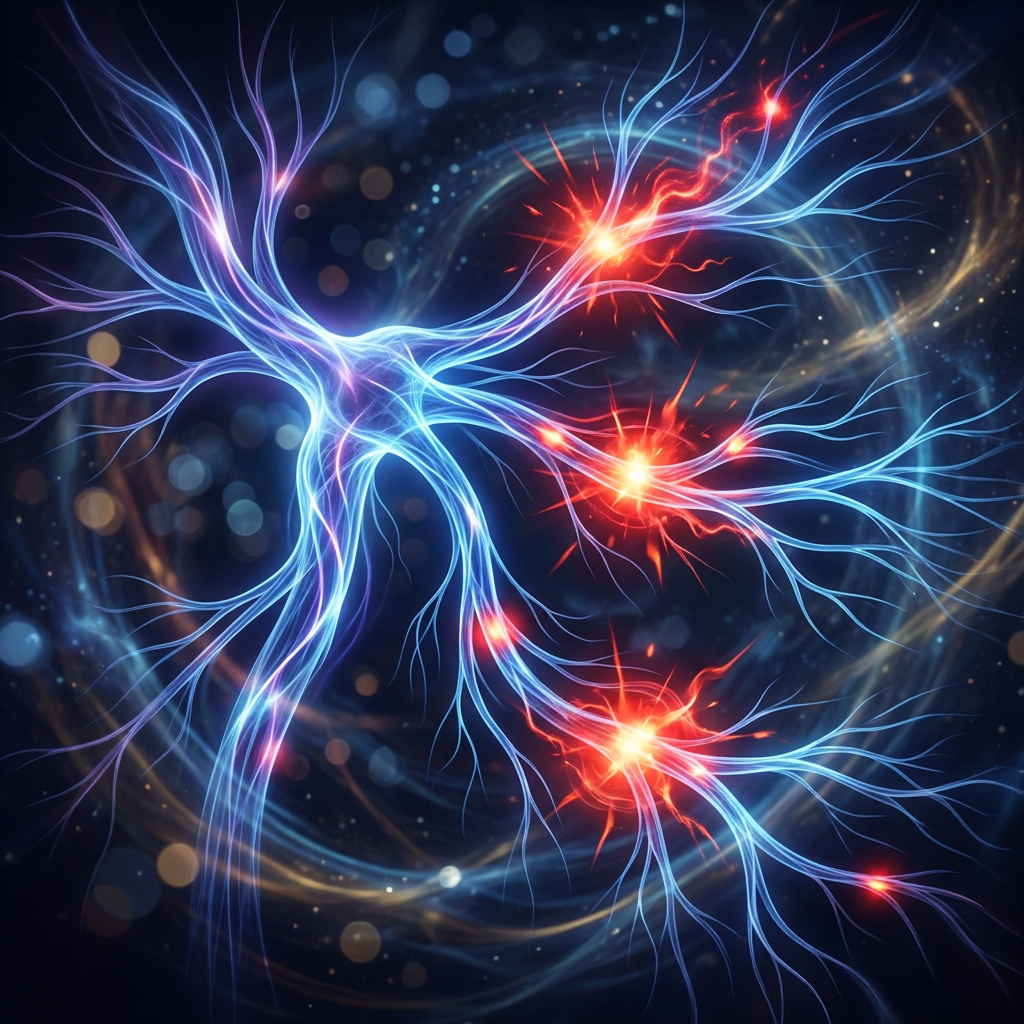
Salk Institute researchers have developed genetic tools enabling the isolation and study of individual neuron types within fruit fly brains. The team created a toolkit using overlapping genetic markers to distinguish specific neuronal subgroups within the octopamine system—a neuromodulator that regulates multiple behaviors.
The study, published in Current Biology, reveals how different neurons using the same chemical messenger can perform opposing functions. Researchers identified a neuronal subgroup called ASM4 that suppresses aggression in both male and female fruit flies. Notably, ASM4 neurons appear unable to convert tyramine into octopamine, suggesting their aggression-suppressing role depends on both neuron type and chemical signals released.
The researchers also discovered another neuronal group specializing in visual motion tracking during flight, demonstrating how neurons within the same neuromodulatory system perform distinct jobs. As co-first author Valentina Fajner explains, “one modulator, but distinct neurons, distinct jobs.”
Since octopamine’s functional counterpart in humans is noradrenaline—a key neuromodulator in fight-or-flight responses—these findings provide a foundation for understanding human neurological signaling and potential brain dysfunction mechanisms.
Journal: Current Biology
DOI: 10.1016/j.cub.2026.07.076
Publication Date: 27-Aug-2026
Source: Salk Institute


Leave a Reply