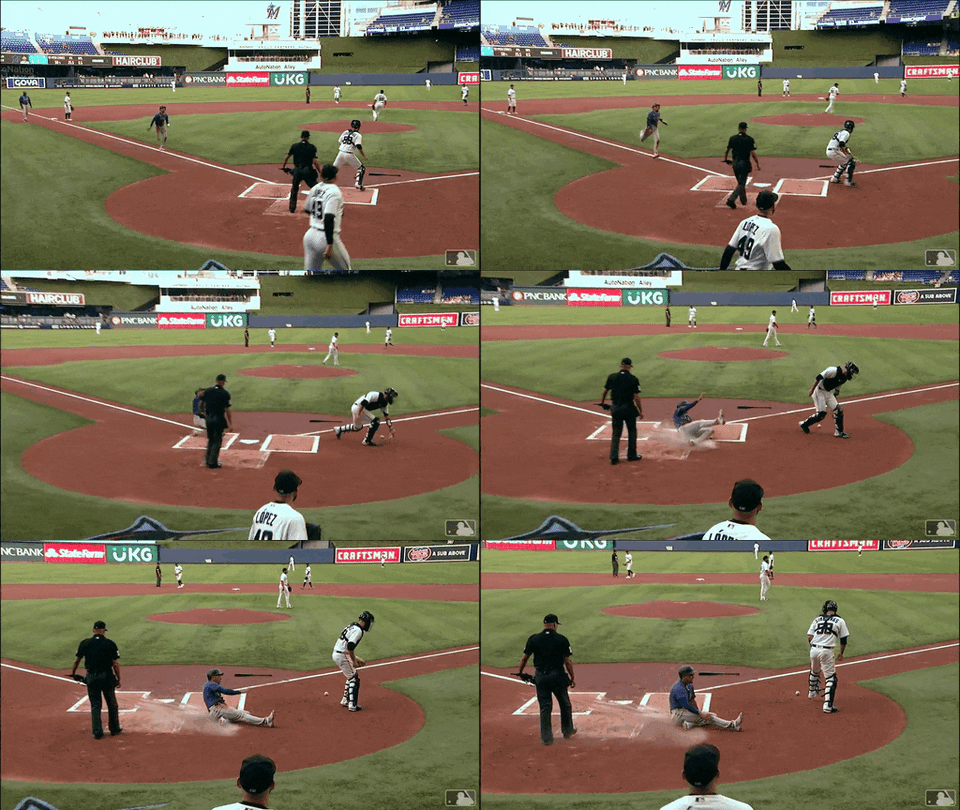
Baseball, with its sudden sprints, abrupt stops, and dynamic movements, puts players at risk for various injuries, among which a torn meniscus is notably prevalent. This guide delves into the intricacies of torn meniscus injuries in baseball, aiming to enlighten fans, players, and coaches on its implications, diagnosis, treatment, and prevention.
The Condition Explained
At each knee joint, two C-shaped pieces of fibrocartilage, known as the menisci, act as cushions between the tibia (shinbone) and the femur (thighbone), facilitating smooth joint movement and stability. A torn meniscus ranges from slight (Grade I) to medium (Grade II), to severe (Grade III) tears, the latter potentially leading to bone-on-bone contact and immobilization of the knee. In baseball, high-risk movements include rapid changes in direction, awkward landings, or any action that overstrains these crucial joint stabilizers.
Symptoms to Watch For
Players might experience a sharp “pop” upon injuring their meniscus. This can lead to knee pain, swelling, difficulty in bending or straightening the knee, and occasionally, a locked knee. For baseball players, these symptoms can drastically impair their ability to pivot, run, or slide effectively on the field.
Diagnosing a Torn Meniscus
Diagnosis begins with a thorough physical examination, where doctors may employ specific maneuvers, like the McMurray test, to assess the injury. While X-Rays can exclude bone fractures, MRI scans are pivotal in evaluating the soft tissue damage and determining the tear’s extent.

Treatment Options
– For Grade I and II Tears: Rest, ice, compression, and elevation (RICE) are initial conservative treatments, followed by targeted physical therapy exercises to restore mobility and strength.
– For More Severe Tears: Arthroscopic surgery may be necessary. Options include meniscectomy, where damaged tissue is removed, or meniscus repair, which is less common but aimed at preserving the knee’s natural cushioning. The choice of surgery depends on the tear’s location and severity.
Recovery and Rehabilitation
Recovery times vary; non-surgical treatment may see athletes return to play within weeks, while surgical recovery can span from 6 weeks to several months. Rehabilitation focuses on gradually increasing knee strength and flexibility through a tailored physical therapy program, crucial for a full return to baseball activities.
Prevention: Key to Longevity
Incorporating exercises that strengthen leg muscles, improve flexibility, and enhance balance can reduce the risk of meniscus injuries. Additionally, adopting proper techniques for running, jumping, and pivoting is essential. Coaches and trainers play a pivotal role in educating players on these preventive measures.
A torn meniscus, while a common injury in baseball, doesn’t have to be a game-ender. With prompt diagnosis, appropriate treatment, and diligent rehabilitation, players can often return to their pre-injury performance levels. Awareness and preventive practices can further mitigate the risk, ensuring players enjoy a longer, healthier career in the sport they love.



Leave a Reply