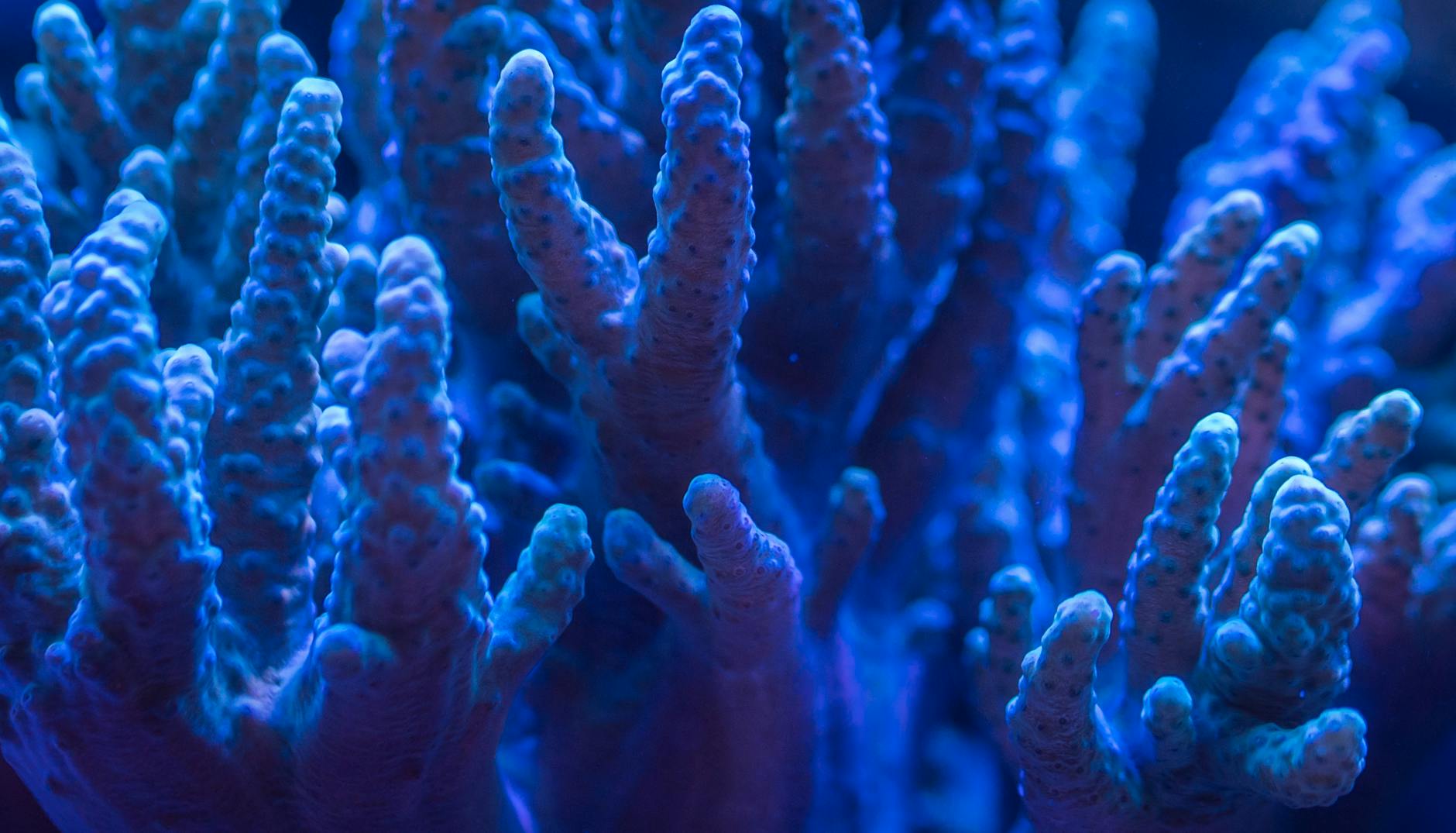
When the ocean overheats, the damage is usually told through what happens beneath the surface: bleached coral, mass die-offs of fish, collapsing fisheries. Researchers from Adelaide University in Australia and the University of Hong Kong argue that this framing leaves out the people. In a commentary published in Nature Sustainability, they call for marine heatwaves to be recognized as a major public health issue.
Scientists have long understood the environmental harm these events cause, said Laura Falkenberg of Adelaide University’s School of Physics, Chemistry and Earth Sciences, the paper’s lead author. The effects on human health, she said, have received much less attention, even as evidence of their reach has grown.
From Warm Water to Human Harm
A marine heatwave is a prolonged stretch of unusually warm ocean temperatures. As the climate warms, these events are becoming more frequent, longer and more intense, and they have already been linked to coral bleaching, harmful algal blooms and disruption to fisheries and aquaculture.
The paper traces how that warmth works its way into people’s lives. Hot ocean water can intensify storms and atmospheric heatwaves. It can change how much seafood is available and whether it is safe to eat. It can disrupt livelihoods. And it can cause anxiety, grief and other mental health effects in communities that depend on the sea.
The authors point to recent examples. In 2023, Hurricane Otis intensified rapidly before striking Mexico, causing losses estimated at more than US$15 billion, and Typhoon Doksuri affected more than two million people across Asia. Both storms have been linked to marine heatwaves.
Closer to home for the Adelaide team, a toxic algal bloom off South Australia in 2025 was connected to respiratory irritation and asthma, along with high levels of what researchers call eco-anxiety: grief, frustration and depression in response to environmental decline.
Food, Storms and Grief
The risks fall into several categories. Stronger weather systems raise the chance of injury, death and displacement from storms and flooding. Harmful algal blooms, expected to become more common, can contaminate seafood. Over the longer term, shrinking fish stocks threaten the food security of billions of people who rely on the ocean for protein.
The psychological toll gets particular emphasis. Many people depend on healthy oceans for food, income, recreation and cultural identity, Falkenberg noted. When marine ecosystems suffer, she said, the effects ripple through communities, and there is growing evidence that the changes contribute to eco-anxiety and grief, especially among people with a strong connection to the sea.
Treat Them Like Heatwaves on Land
The authors’ central recommendation is that governments and public health agencies treat marine heatwaves much as they already treat heatwaves on land, with warnings and preparation instead of after-the-fact response. They propose building marine heatwave forecasts into public health planning, weighing health impacts in coastal and marine management decisions, and improving collaboration among ocean scientists, health authorities and resource managers.
“Recognising these health impacts is the first step towards better protecting communities,” Falkenberg said. Waiting until disaster strikes, she warned, leads to greater harm than acting early.
The paper is a commentary, not a new study. It synthesizes existing evidence and makes the case for a policy shift, and it reports no new measurements of its own. Its value lies in connecting research that usually sits in separate fields, ocean science on one side and public health on the other, and in arguing that a warming sea is a health problem as well as an ecological one.
Endnotes
- Falkenberg, L., et al. (July 20, 2026). “Recognising the human health impacts of marine heatwaves.” Nature Sustainability. https://doi.org/10.1038/s41893-026-01892-x
- Adelaide University (August 10, 2026). “Marine heatwaves pose hidden threat to human health.” EurekAlert! https://www.eurekalert.org/news-releases/1139588
Featured image: Photo by Egor Kamelev on Pexels.com.



Leave a Reply