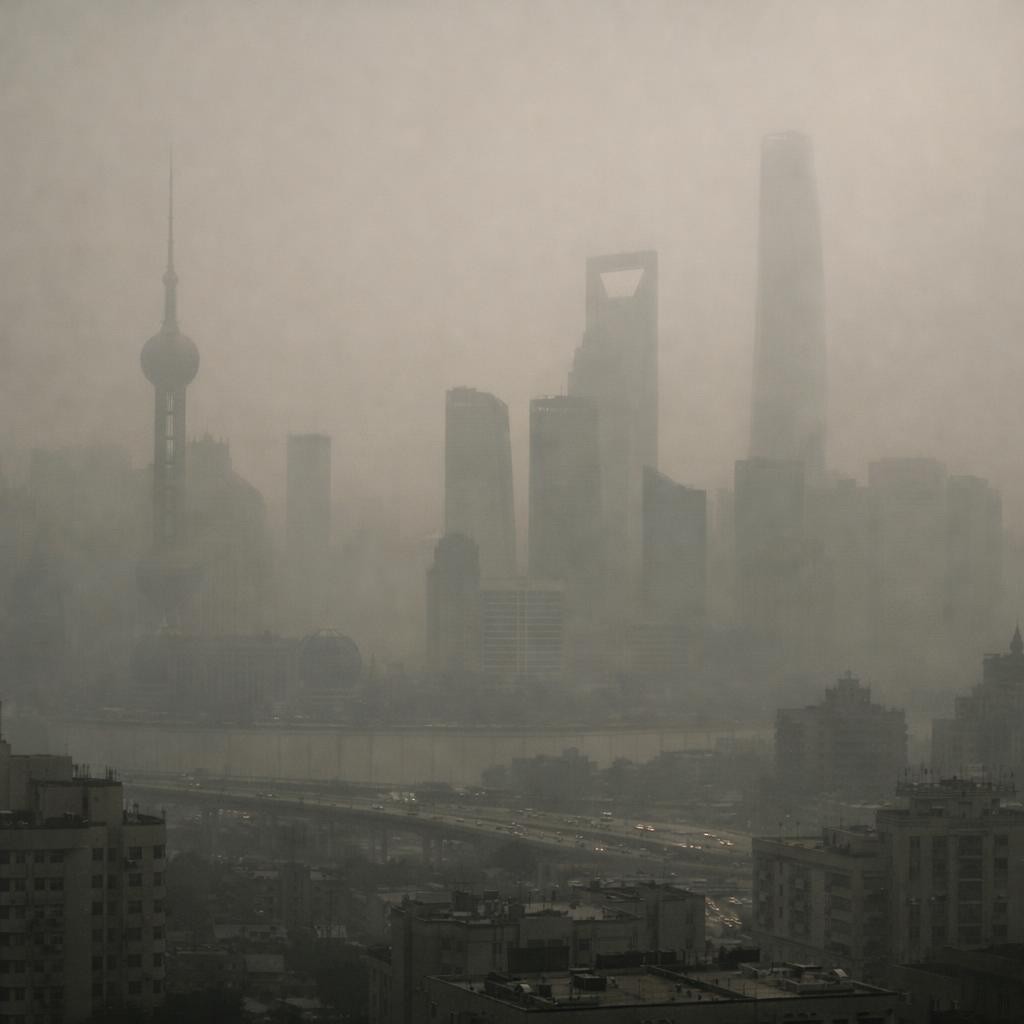
Extreme weather events are becoming more frequent and more severe in Brazil, and a new study puts a number on just how widespread the damage has already been: 91.5% of the country’s 5,570 municipalities have reported at least one disaster linked to flooding, waterlogging, flash floods, landslides, storms, or drought since 1991.
A team of Brazilian researchers from the National Center for Monitoring and Early Warning of Natural Disasters (CEMADEN), the University of São Paulo, and the National Institute for Space Research analyzed approximately 60,000 records of hydrogeological disasters spanning more than three decades. They found that 1,814 cities had experienced at least three different types of disaster, while 270 cities had experienced all of them.
The Northeast had the most affected cities (1,765), followed by the Southeast (1,405), the South (1,152), the North (433), and the Midwest (342). The Southeast recorded the most deaths from floods, waterlogging, flash floods, and landslides; the South had the most storm-related deaths; and the Northeast had the most drought-related deaths.
The toll is substantial: across the 59,658 disasters analyzed, at least 4,774 people died, 3,031 went missing, more than 129.79 million people were affected, and economic losses are estimated to have exceeded $123.89 billion. The researchers caution that even these figures likely undercount the true damage, since the underlying reports are self-submitted by municipalities and many smaller events go unreported.
“Not Something Supernatural”
Recent catastrophic events illustrate the pattern: record rainfall partially cut off São Sebastião on São Paulo’s northern coast during Carnival 2023, killing at least 60 people, and storms in May 2024 affected 2.3 million residents across 471 municipalities in Rio Grande do Sul, causing more than 180 deaths — the worst climate-related tragedy in the state’s history.
“We wanted to dispel the myth that a disaster is something supernatural, that its causes stem from disproportionate forces. There are exceptions that climate models can’t predict, but for most events, national agencies such as CEMADEN issue alerts, and public authorities are informed of what may happen. The problem is negligence, a lack of infrastructure, and even a failure to act. We decided to call them socio-natural or socio-environmental disasters because there’s an anthropogenic aggravating factor.”
Elton Vicente Escobar Silva, first author, CEMADEN
A survey by the National Confederation of Municipalities estimates that roughly 1,660 Brazilian cities still lack an organized civil defense agency. Brazil’s National Department for Civil Protection and Defense (SEDEC) told the researchers it is developing a new version of its disaster-reporting platform, S2iD, along with a new Digital Disaster Atlas, that will allow multi-risk event tracking and data disaggregated by gender and age group.
“This study provides a longitudinal analysis of the impacts of disasters in Brazil, which is important for demonstrating that they stem from a chronic crisis, not a one-off event. We need to stop treating economic losses as a given. How long will we continue to invest solely in disaster response and reconstruction without considering mechanisms to reduce losses?”
Victor Marchezini, CEMADEN
The research was supported by the São Paulo Research Foundation (FAPESP).
The study, “Water-related disasters in Brazil: an assessment from 1991 to 2024,” was published April 10, 2026, in Environmental Research Letters (DOI: 10.1088/1748-9326/ae5991).



Leave a Reply