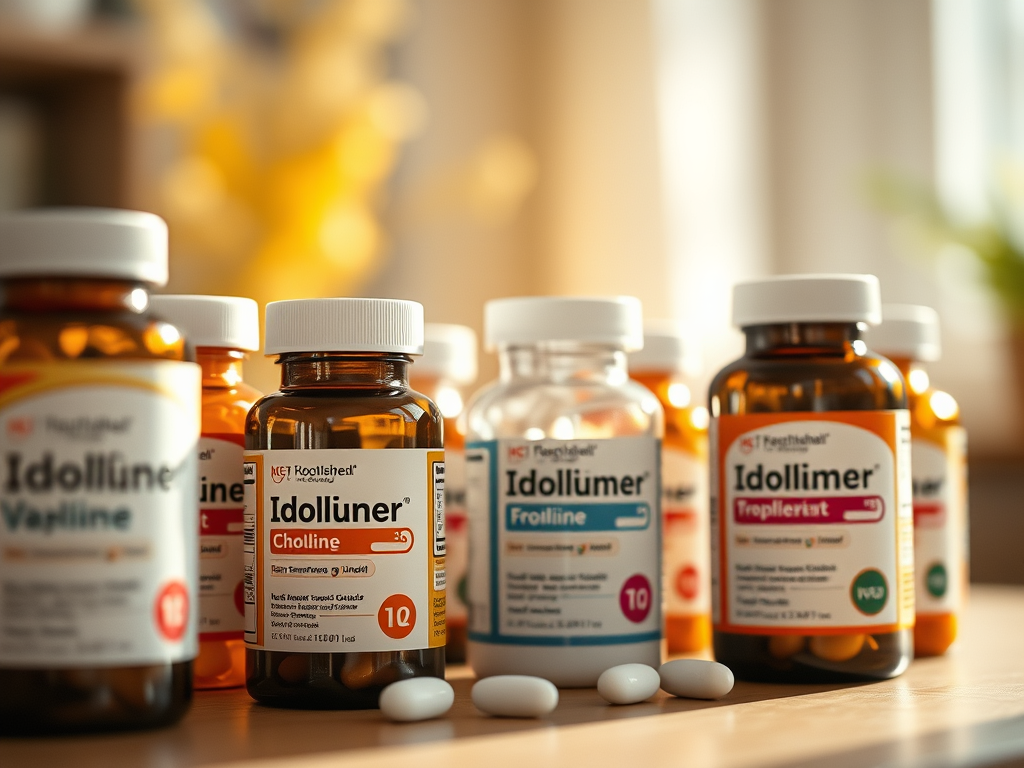
New research reveals many prenatal vitamins don’t contain enough of the nutrients that are essential for a healthy pregnancy, while others contain harmful levels of toxic metals.
The study published in The American Journal of Clinical Nutrition checked the amounts of choline and iodine in nonprescription and prescription prenatal vitamins. The research also checked for toxic metals like arsenic, lead and cadmium.
“During pregnancy, many women rely on prenatal vitamins and minerals to support their health and their baby’s development. Among the most crucial nutrients for fetal development are choline and iodine. However, some prenatal vitamins may not contain the exact amounts listed on the label and some may not contain any choline or iodine,” said the study’s first author Laura Borgelt, PharmD, MBA, professor at the University of Colorado Skaggs School of Pharmacy and Pharmaceutical Sciences at CU Anschutz. “Our study aims to help women better understand the nutrient content in prenatal supplements, empowering them to make more informed choices and select the best options for their health and their baby’s well-being.”
The researchers tested a sample of 47 different prenatal vitamins (32 nonprescription and 15 prescription products) bought from online and local stores where people commonly shop. They then measured the actual amounts of choline and iodine in their lab versus what was on the label and also checked for arsenic, lead and cadmium. They compared their findings with official safety standards within 20% of the claimed amount.
The Food and Nutrition Board of the Institute of Medicine recommends dietary reference intakes for choline at 450 mg/day during pregnancy and 550 mg/day during lactation, with a tolerable upper limit of 3,500 mg/day. For iodine, the recommended dietary reference intake for females aged 19 and older is 150 mcg/day, increasing to 220 mcg/day during pregnancy and 290 mcg/day during lactation. The tolerable upper limit for iodine is 1,100 mcg/day.
Additionally, the United States Pharmacopeia has established purity standards for pharmaceuticals, including limits for harmful substances: arsenic (2.5 mcg per oral daily dose), cadmium (0.5 mcg per oral daily dose) and lead (0.5 mcg per oral daily dose).
Sign up for the Daily Dose Newsletter and get every morning’s best science news from around the web delivered straight to your inbox? It’s easy like Sunday morning.
The researchers found most prenatal vitamins do not list choline, and many of those that do, don’t contain the correct amount. Only 12 listed the choline content, which is about 26% and only five products (42%) had the right amount of choline as promised on the label.
When checking for iodine, they found most prenatal vitamins contain less than advertised, and very few provided the correct amount, with 53% of products listing iodine content, but only four (16%) products contained the claimed amount of iodine on the label.
They also found some products contained levels of heavy metals that were higher than expected. Specifically, seven products had too much arsenic, two had too much lead and 13 had too much cadmium, all above the purity limits set by the U.S. Pharmacopeia. Exposure to these heavy metals in pregnancy has been associated with adverse birth outcomes.
“We’re one of the first studies to measure the actual amounts of choline and iodine in a large sample of prenatal supplements. The presence of contaminants, especially cadmium, was also concerning. Our findings highlight a significant gap between what’s listed on the labels and what’s actually in the products, underscoring the urgent need for stronger regulatory oversight in this area,” Borgelt adds.
The authors mention that although there’s a need for more oversight in ensuring supplements have enough of each ingredient, prenatal supplements are still important to take during pregnancy. They recommend double-checking ingredients or working with a doctor or healthcare professional to choose the prenatal supplement.
This study was funded by the Center for Science in the Public Interest via a grant by the John Sperling Foundation.
IMAGE CREDIT: NASA.


Leave a Reply