A treatment that rallies the immune system to destroy cancer raised the survival rate for advanced Hodgkin lymphoma patients to a remarkable 92 percent, suggesting a new standard therapy for the disease. The New England Journal of Medicine published the innovative clinical trial results this week.
Young people are most at risk to get Hodgkin lymphoma, an uncommon blood and immune system cancer that falls within the general category of lymphomas. With this new treatment, scientists believe they found a way to reduce long-term side effects of therapy—including second cancers later in life and heart and lung conditions.
“We will see many less breast cancers 20 to 30 years later in this group of patients, less infertility, less heart disease,” said Wilmot Cancer Institute Director Jonathan Friedberg, MD, MMSc, at the University of Rochester Medical Center, who led the study.
Standard care for Hodgkin lymphoma, which typically involves chemotherapy and often radiation therapy in the youngest patients, already has a cure rate of higher than 80 percent.
“But the 20 percent who are not cured have a long road ahead,” Friedberg said. “The goal of this study was to improve the cure rate while also minimizing side effects and long-term toxicities—and that’s what makes this an unprecedented clinical trial.”
Friedberg is senior investigator and corresponding author for the phase 3 study and chair of the lymphoma committee at the SWOG Cancer Research Network. A large team at SWOG conducted the research as part of the National Cancer Institute (NCI)-funded National Clinical Trials Network.
Sign up for the Daily Dose Newsletter and get every morning’s best science news from around the web delivered straight to your inbox? It’s easy like Sunday morning.
“This trial is an example of the power of the cooperative group system,” Friedberg said. “It would not have been possible without outstanding collaborations among literally dozens of colleagues across the U.S. and Canada.”
He called out the contributions of first author Alex Herrera, M.D., chief of the division of lymphoma at City of Hope, a large cancer research and treatment center based in Los Angeles; senior biostatistician Michael LeBlanc, PhD, and Hongli Li, MS, both at the Fred Hutch Cancer Center in Seattle; and Kara Kelly, MD, pediatric oncologist at Roswell Park Comprehensive Cancer Center and Sharon Castellino, MD, MSc, pediatric oncologist at Winship Cancer Institute of Emory University, who oversaw accrual to the study through the Children’s Oncology Group, the world’s largest organization devoted to childhood and adolescent cancer research.
Key points from the trial, known as S1826:
- Nearly 1,000 patients enrolled in the randomized, phase 3 trial at hundreds of cancer clinics and academic institutions across the U.S. through the SWOG network. The median age of patients with Hodgkin lymphoma in the study is 30.
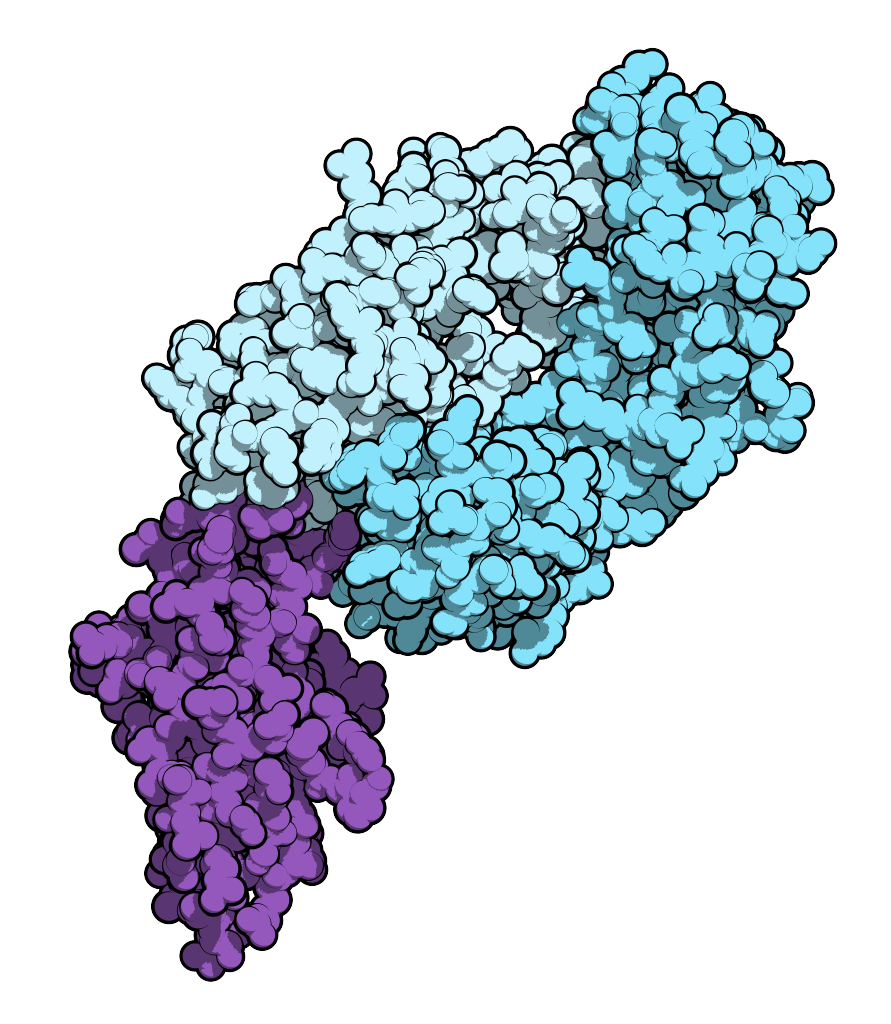
- Half of the patients received the latest standard therapy: chemotherapy and a drug called brentuximab vedotin. The other half also received chemotherapy plus an immunotherapy, nivolumab, which targets a genetic alteration common in Hodgkin lymphoma.
- After two years of follow-up, 92 percent of the immunotherapy group had survived and saw no progression of their disease, versus 83 percent in the standard care group.
- Researchers designed the study to be highly inclusive. One-third of participants were pediatric patients as young as age 12; about 10 percent were older than 60; and 25 percent were from underrepresented groups.
- Historically, pediatric patients with Hodgkin lymphoma often received radiation therapy along with chemotherapy. That treatment, although successful at killing cancer, would often result in significant side effects with life-long implications. In this trial, researchers chose not to not use radiation therapy to minimize those problems and saw fewer side effects and adverse events among the patients who received the immunotherapy.
- The trial took an exceptional approach to combine young and older patients into one study, giving them the exact same treatments. Harmonizing treatments across age ranges is now serving as a model for other planned studies for adolescents and young adults with cancer, Friedberg said, and it will allow physicians to rapidly introduce novel cancer treatments into the younger population.
The preliminary trial data was so strong that the NCI ordered the study to halt early to facilitate a faster review by the U.S. Food and Drug Administration. In 2023, the American Society of Clinical Oncology (ASCO) highlighted those results, which at that point had one year of follow-up data. The latest study confirmed the initial findings.
The FDA will determine whether nivolumab should be added as standard treatment for stage 3 or 4 Hodgkin lymphoma. However, because nivolumab is already approved for other indications, Friedberg anticipates that it will quickly become part of treatment guidelines and regular care.




Leave a Reply