RAPID DEFORESTATION TALE TURNS HOPE IN CENTINELA RECOVERY
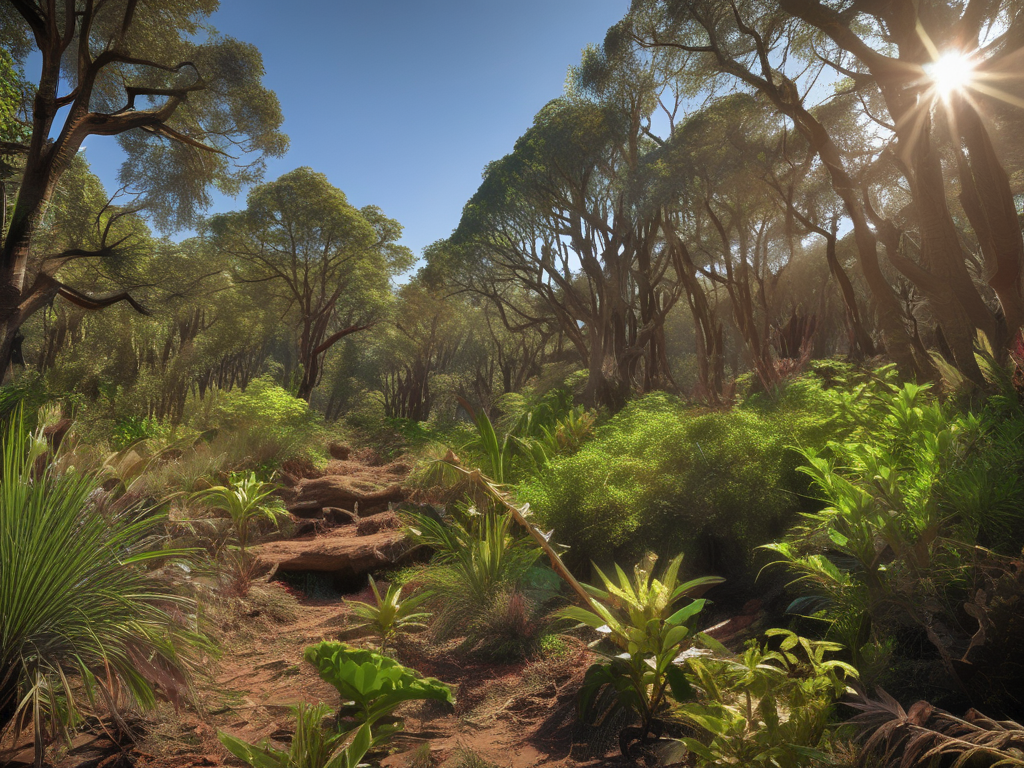
The Centinela Ridge, a once biodiverse area on the Andes’ western slope, became a cautionary tale after rapid deforestation in the 1990s devastated its cloud forests, leading to what’s termed “Centinelan extinction,” where species disappear before being documented. This concept was popularized by E.O. Wilson in his discussion of rapid habitat losses similar to those in British Columbia’s old growth forests. However, recent findings have reignited hope: Scientists have rediscovered species thought extinct, such as the Gasteranthus extinctus, and described new ones like Amalophyllon miraculum, evidencing some species’ resilience in remaining forest patches. These discoveries underscore the importance of preserving even small forest remnants which continue to host unique species. Researchers, spurred by these finds, are now intensifying efforts to protect and study Centinela’s surviving biodiversity, aiming to transform this area from a symbol of ecological loss to one of conservation and resilience. (Science)
CHINA’S CHANG’E-6 RETURNS WITH HISTORIC MOON SAMPLES
China’s Chang’e-6 lunar probe has made a historic achievement by returning with the first-ever soil samples from the far side of the Moon, landing back on Earth with about 2,000 grams of lunar soil. This monumental event took place at the Siziwang Banner Landing Site in Inner Mongolia, marking a significant advancement in China’s lunar exploration efforts. Initiated in 2004, China’s lunar program aims to place astronauts on the Moon by 2030 and to establish a research base at the Moon’s South Pole. The Chang’e-6 mission, originally a backup for the Chang’e-5 mission, faced unique challenges due to the far side’s rugged terrain and communication difficulties, as it is always facing away from Earth. This mission’s success not only paves the way for future manned missions but also enhances our understanding of the Moon’s diverse conditions and evolutionary processes. The samples will be studied to shed light on the environmental and geological differences between the Moon’s near and far sides. (Sixth Tone)
If you’re enjoying the Daily Dose, sign up for the Daily Dose Newsletter and get the morning’s best science news from around the web delivered straight to your inbox? It’s easy like Sunday morning.
ACADEMIA’S PATH TO PI REEVALUATED AMID MODERN CHALLENGES
The traditional path to becoming a principal investigator (PI) in academia—earning a PhD followed by several temporary positions—is increasingly seen as precarious and misaligned with the collaborative nature of modern science. This path often leads to a surplus of talent for a limited number of permanent roles, contributing to stress and a potential stifling of innovation. Recent commentary in *Nature* highlights these issues and introduces a global survey aimed at understanding the recruitment experiences of research leaders and hiring managers. The Tony Blair Institute for Global Change proposed rethinking academic structures to mirror successful R&D practices in industry, potentially improving pay, job stability, and distribution of resources. Other models, like those in national laboratories or DARPA, suggest alternatives but also have limitations, such as difficulties in external collaboration or maintaining old hierarchies. These discussions open up broader considerations about whether the current educational investments in academia could be better directed towards more targeted, practical skills training like apprenticeships. The debate continues on the best way to structure research careers and funding in academia to foster innovation and accommodate the growing number of researchers. (Nature)
FSHD RESEARCHER YOSHIZAWA DISCOVERS PROMISING TREATMENT COMPOUND
Takahiro Yoshizawa, who developed facioscapulohumeral muscular dystrophy (FSHD) in his childhood, faced significant adversity due to the debilitating disease which weakens upper body skeletal muscles. Told by doctors to accept his condition, Yoshizawa instead chose to fight back by pursuing a career in medical research. Now an assistant professor at Shinshu University in Japan, he has discovered a promising compound that reduces the toxicity of the DUX4 protein linked to FSHD. His discovery came after extensive screening of over 671 chemical compounds and successful testing on FSHD-affected mice, leading to significant alleviation of symptoms. Overjoyed by these results, Yoshizawa has continued his research with funding raised through a successful crowdfunding campaign. His commitment not only advances potential treatments but also offers hope to other FSHD sufferers, emphasizing the importance of continued research in developing therapeutic solutions. (Japan Today)

NASA’S PERSEVERANCE ROVER TO ANALYZE MARS ATMOSPHERE SAMPLES
NASA’s Perseverance rover, as part of its mission on Mars, is collecting rock and soil samples, sealing them in titanium tubes for a future Mars Sample Return campaign. These samples are anticipated to provide key insights into the planet’s history and potential ancient microbial life. However, atmospheric scientists are particularly interested in the “headspace,” the air trapped within these tubes alongside the rock material. This headspace contains Martian atmosphere, composed predominantly of carbon dioxide, with possible traces of other gases dating back to the planet’s formation. Studying these air samples could reveal significant details about Mars’ climate evolution and its atmospheric history compared to Earth’s. Additionally, the headspace offers a unique research opportunity before the samples reach Earth, potentially providing data on Mars’ water cycle and the characteristics of its dust particles, which would be crucial for future manned missions. The insights gained could extend beyond Martian studies, enhancing our general understanding of planetary formation and evolution. (NASA)
BUTTERFLIES CROSS ATLANTIC, CHALLENGING INSECT MIGRATION THEORIES
In late October 2013, entomologist Gerard Talavera encountered a remarkable sight on a beach in French Guiana: a flock of painted lady butterflies, typically not native to South America. These butterflies, known for their extensive migrations, showed signs of having completed a strenuous journey. Talavera, based at the Institut Botànic de Barcelona, speculated whether these butterflies had traveled over 2,600 miles across the Atlantic from Europe or Africa—a feat not previously recorded for insects. Utilizing genetic sequencing of pollen DNA and the butterflies’ genomes, and incorporating isotope tracing and meteorological data, Talavera’s research indicated these butterflies likely originated from Western Europe, North Africa, or West Africa. The study, published in Nature Communications, suggests that strong winds may have diverted them from their usual route through Africa, leading them across the ocean to South America. This groundbreaking discovery not only underscores the butterflies’ incredible resilience but also enhances scientific understanding of insect migration patterns globally. (New York Times)
Thanks for reading. Let’s be careful out there.
WORDS: The Biology Guy.
Leave a Reply