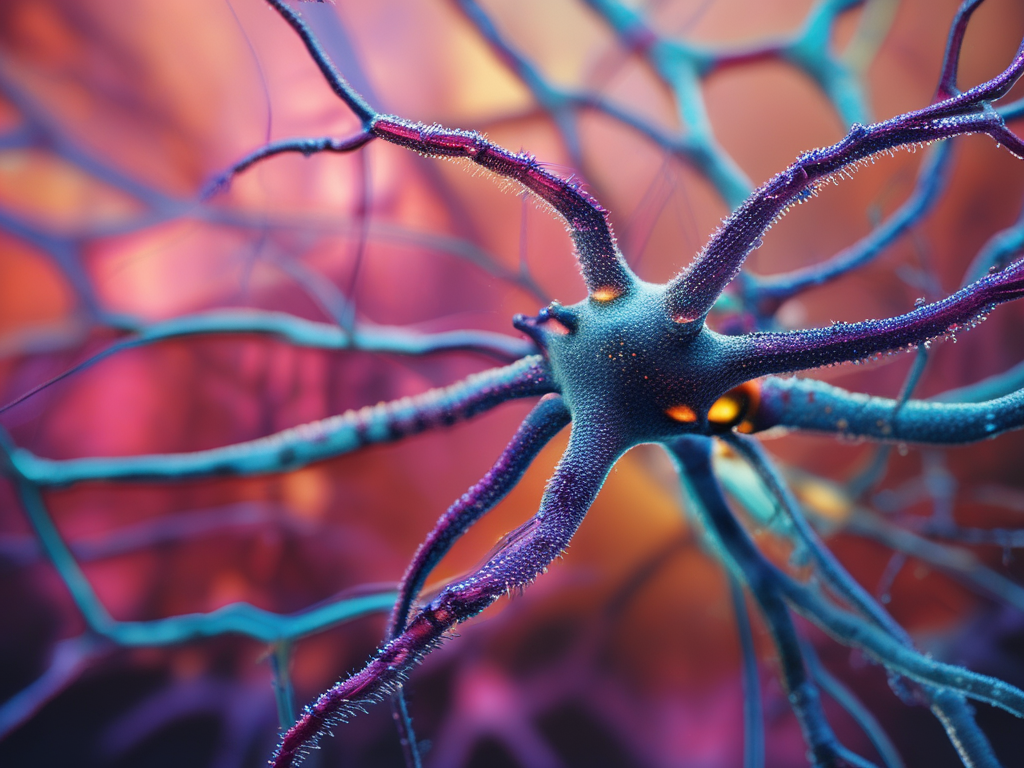
Researchers at the Del Monte Institute for Neuroscience at the University of Rochester have identified mechanisms in the brain’s hippocampal network that are rescued by ketones. These findings build on previous research showing that ketones can alleviate neurological and cognitive affects.
As we age our brain naturally becomes more insulin resistant. This creates a breakdown in communication between neurons, causing symptoms like changes in mood, cognitive decline, and eventually neurodegeneration. Nathan A. Smith, MS, PhD (’13), associate professor of Neuroscience, and fellow researchers studied the mechanisms in the brain that break down when insulin resistance is suddenly present, like in trauma, but before symptoms manifest into chronic conditions, like diabetes or Alzheimer’s.
“Once neuronal function is lost, there is no recovering the connection, so we need to identify when the function first becomes impaired,” said Smith, the principal investigator of this research, published in the journal PNAS Nexus. “This study accomplishes that by bringing us closer to understanding how to rescue the function of impaired neurons and prevent or delay devastating diseases like Alzheimer’s.””
Using mice as a model system, researchers focused on the hippocampus, a well understood region of the brain responsible for learning and memory. They found acute insulin resistance impairs several aspects of neuronal function, including synaptic activity, axonal conduction, network synchronization, synaptic plasticity, and action potential properties—the processes critical to support the communication flow in and out of neurons.

Researchers then administered D-βHb, a form of ketones, a byproduct released by the liver when the body burns fat instead of glucose for energy. They found that the synaptic activity that was previously impacted by acute insulin resistance was rescued, conduction in axons increased, neurons were resynchronized, and synaptic plasticity.
“This research has implications for developing ketone-based therapies targeting specific neuronal dysfunctions in conditions involving insulin resistance/hypoglycemia like diabetes or Alzheimer’s disease,” Smith said. “We are now looking to understand the role that astrocytes and other glia cells play in acute insulin resistance.”
Sign up for the Daily Dose Newsletter and get the morning’s best science news from around the web delivered straight to your inbox? It’s easy like Sunday morning.



Leave a Reply