
Listening to rhythmic music, particularly music with a pronounced groove, elicits a heightened sense of excitement, prompting individuals to instinctively move their bodies in sync with the rhythm. This natural inclination to move in harmony with music is referred to as groove.
Notably, aerobic exercise, even at low-intensity levels, stimulates the dorsolateral prefrontal cortex (DLPFC) of the brain, thereby improving executive functions such as attention, concentration, and judgment. Building upon previous research, it was discovered that individuals with a high affinity for groove rhythm (GR) experienced increased executive function in the prefrontal cortex simply by listening to GR. Consequently, the research team explored the potential synergy of combining GR with exercise to amplify the enjoyment and cognitive benefits of physical activity.

In this study, 48 healthy participants aged 18-26 engaged in 3 min of very-light intensity aerobic exercise set to GR. The results revealed that participants who reported their bodies “resonating with the rhythm” during exercise, coupled with a subjective sense of “increased excitement,” demonstrated enhanced executive function in the prefrontal cortex and increased activation in the left DLPFC compared to standard very light-intensity exercise. These results were reasonable considering that music preferences vary among individuals.
In Japan, where less than 30% of the population maintains a regular exercise routine, the development of inclusive exercise programs is crucial. Based on the findings of this research, investigating the impact of groove rhythm-based exercise is expected to introduce “enriched-exercise” as an enjoyable, motivating, and efficient approach for enhancing brain function.
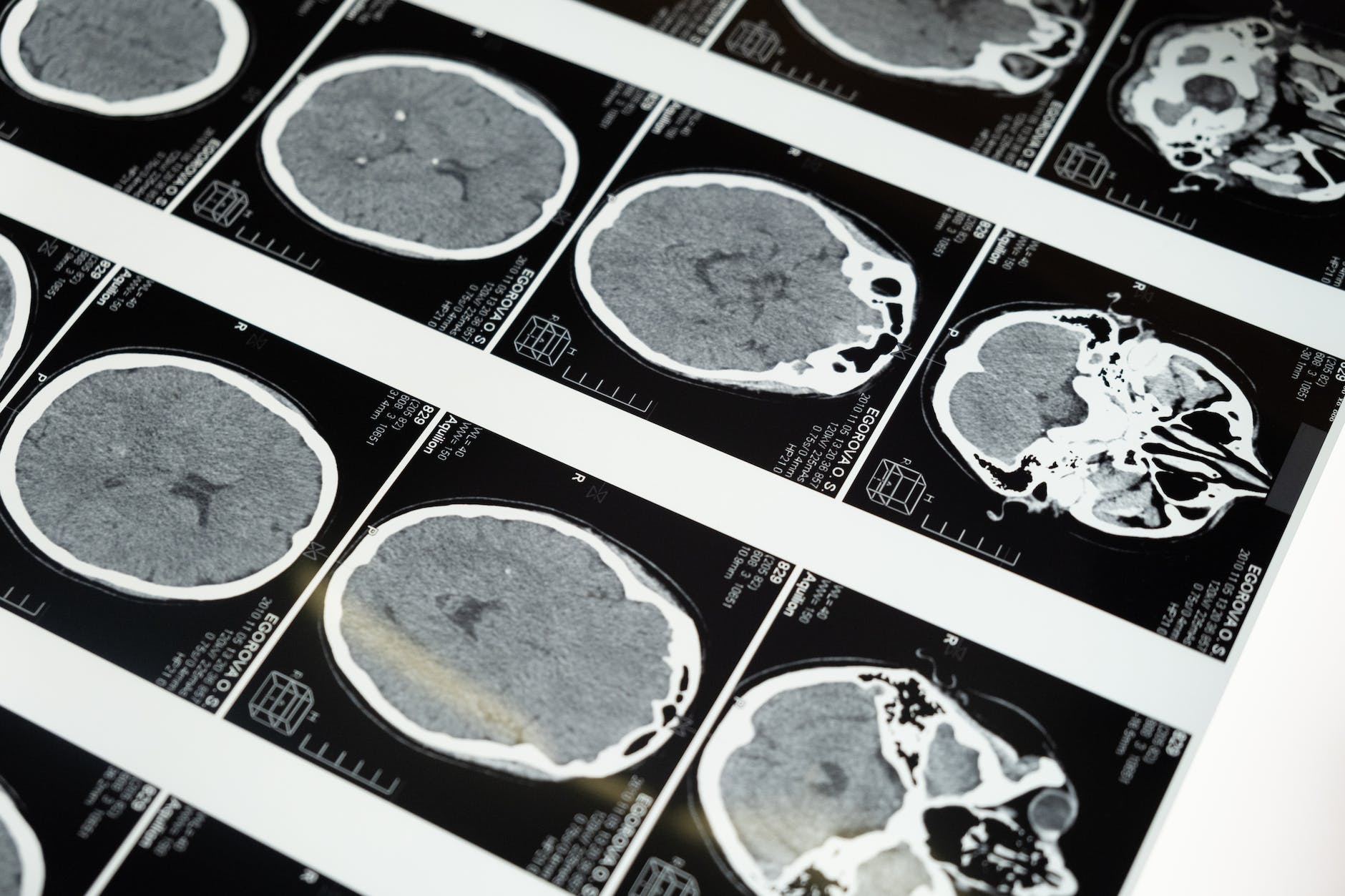
IMAGE CREDIT: Andrea Piacquadio.
Sign up for the Daily Dose Newsletter and get the morning’s best science news from around the web delivered straight to your inbox? It’s easy like Sunday morning.



Leave a Reply