
HAVE YOUR SAY.
Join us in The Bullpen, where the members of the Scientific Inquirer community get to shape the site’s editorial decision making. We’ll be discussing people and companies to profile on the site. On Wednesday, April 26 at 5:30pm EST, join us on Discord and let’s build the best Scientific Inquirer possible.
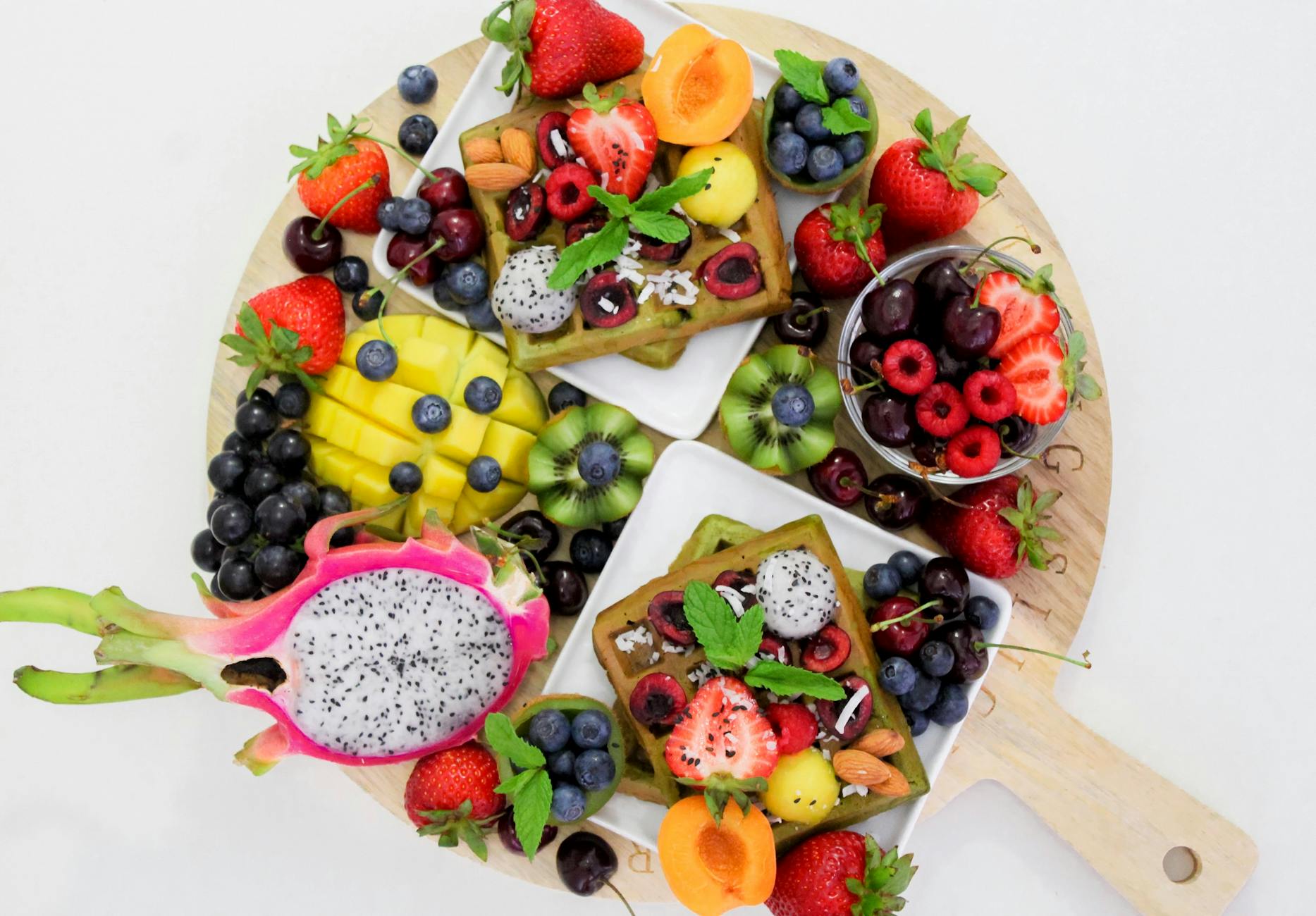
A preconception and early-pregnancy diet that contains lots of fruit, vegetables, seafood, dairy, eggs and grain may be associated with reducing risk of miscarriage, a new review of research suggests.
Researchers at the University of Birmingham, funded by Tommy’s, analysed 20 studies which explored women and birthing people’s eating habits in the months before and shortly after conceiving a baby to see whether these studies showed evidence of association with a lower or higher chance of miscarriage.
Writing in the journal Fertility and Sterility the Tommy’s National Centre for Miscarriage Research team conclude that there is evidence to suggest a diet rich in fruit, vegetables, seafood, dairy products, eggs and grain reduces miscarriage risk.

These are foods which typically make up ‘healthy’ well-balanced diets, with previous evidence showing that eating a well-rounded diet which is rich in vitamins and minerals during pregnancy is important.
The research review found that, when compared to low consumption, high intake of fruit may be associated with a 61% reduction in miscarriage risk. High vegetable intake may be associated with a 41% reduction in miscarriage risk. For dairy products it is a 37% reduction, 33% for grains, 19% for seafood and eggs.
Led by Dr Yealin Chung, researchers also looked at whether pre-defined dietary types, such as the Mediterranean Diet or Fertility Diet could also be linked to miscarriage risk. They could not find evidence that following any of these diets lowered or raised risk.
However, a whole diet containing healthy foods overall, or foods rich in antioxidant sources, and low in pro-inflammatory foods or unhealthy food groups may be associated with a reduction in miscarriage risk for women.
A diet high in processed food was shown to be associated with doubling of miscarriage risk.
The studies included in the analysis focused on the peri-conception period – a period before and during the first 3 months of pregnancy. Data collected from a total of 63,838 healthy women of reproductive age was included, with information on their diets typically collected through food frequency questionnaires for each study.
Dr Chung explains:
“Miscarriage is common, with estimates suggesting 1 in 6 pregnancies end in miscarriage, and there are many known causes, from problems with the baby’s chromosomes to infections in the womb.
“Yet nearly 50% of early pregnancy losses remain unexplained and in the absence of a cause, parents often turn to their healthcare providers for guidance on the best ways to be as healthy as possible and reduce the risk of future miscarriages.
“There’s a growing body of evidence to show that lifestyle changes – including changes to diet, stopping smoking and not drinking alcohol – before conceiving and in your pregnancy’s early stages – may have an impact.
“We strongly encourage couples to consider the importance of making positive lifestyle choices when planning for a family, and to continue with these healthy choices throughout their pregnancy and beyond. By knowing that positive lifestyle choices can make a significant difference in reducing the risk of miscarriage, couples can feel empowered to take charge of their health and the health of their baby.”
Tommy’s midwife Juliette Ward says:
“Advice on diet is one of the most-discussed subjects for us when talking with pregnant women and birthing people. We know that baby loss is very rarely the result of someone’s lifestyle choices, but many people want to know how to be as healthy as possible in pregnancy. Following a healthy diet, taking supplements like Vitamin D and folic acid, exercise and trying to lower stress are all things people can try to do, but there’s been a lack of clear evidence on the links between diet choices and miscarriage.
“Given this lack of evidence, there aren’t any evidence-based guidelines outlining dietary advice for women and birthing people or their partners – something the findings of this review suggest could make a real impact in helping people reduce their risk.”
More studies are needed, the Tommy’s team conclude, particularly research which looks at whether a food group or diet and its link to miscarriage risk is causal, and research which could accurately estimate how effective a change in diet could be in the critical stages of conception and pregnancy.
IMAGE CREDIT: NASA.

Leave a Reply