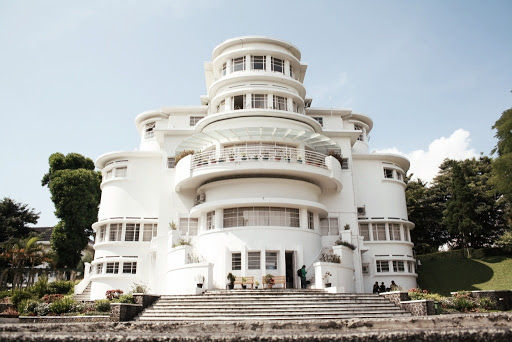
Asia – one of the fastest-growing parts of the world, with its unique mix of modern, impressive skyscrapers appearing at every corner at an unprecedented pace. Its one-of-a-kind mix of modern buildings and old, dating back centuries are preserved with such great care that one wouldn’t be wrong in assuming that the architecture is relatively new and built with some inspiration from the “good old days”.
It’s no big secret that Asia has some of the world’s most unique cities, owing to its rich history that spawned the now-iconic architecture that we have come to associate with its culture. With advancing technology, the melding of different architectural styles, and growing skylines, preserving these old buildings will be a priority. It will add to the flavor of these future cities, with stark contrasts of particular interest.
Picture this.
You’re walking down the streets of Indonesia’s bustling capital of Jakarta a few decades in the future, with its rapidly growing population and steady economy. You set your gaze up to the city’s marvelous skyline full of skyscrapers. They will be a common site in the future. You decide to turn into a corner, and what do you see?
Almost as if being transported into a different space in time, you see old buildings with obvious Dutch design cues that make you wonder if you’re even still in the same city as you were just mere minutes ago.
Turn another corner and you’ll find other old buildings bearing the design cues of the culture that gave birth to it. It’s glorious confusion. That’s what cities in Asia, as well as other parts of the world experiencing rapid growth, will look like 10, maybe 20, years in the future.
One of the examples of this architectural evolution, if you will, is how modern, minimalistic designs which took cues from Germany’s Bauhaus movement in the early 20th century.


Contrast this minimalistic design approach with some of Indonesia’s more intricate traditional architecture like the ones you’ll find in North Sumatra, for example, and you’ll be set with a picture of what future Indonesian architecture could look like.

The house combines the full spectrum of traditional Tobanese architecture with all of its intricacies, but viewed from a more minimalistic lens, making it not only beautiful, but also timeless at the same time. This minimalistic approach can be implemented simply by making some aspects of the design flatter than what it would be, simplifying some angles, or simply by painting everything in a uniform, neutral color. Simplicity does not always mean the loss of interesting design elements from traditional design, on the contrary, when done properly, it should be highlighting the more important, interesting elements of the design themselves.
We often think of history and heritage as something that needs to be taught in textbooks and by teachers, but arguably, teaching history through the lens of architecture instills appreciation in future generations. It will leave them with an even deeper understanding of how deeply-etched into the conscience of the country these architectural marvels, these pieces of art really are.

More than just physical structures used to house certain functions, these architectural marvels in their own right has become more than just what they are, they’ve transcended their functions and now serve as a reminder to the country, be it as a reminder of their past failures, glory, or any number of other lessons worth noting from the times that these buildings have overseen in silence, what we can do now. We can learn from them and appreciate the beauty that has been left behind from our rich cultural heritage, even if we just admire them and look back at a more turbulent time in the country.
WORDS: Jovi Harrison.




Leave a Reply