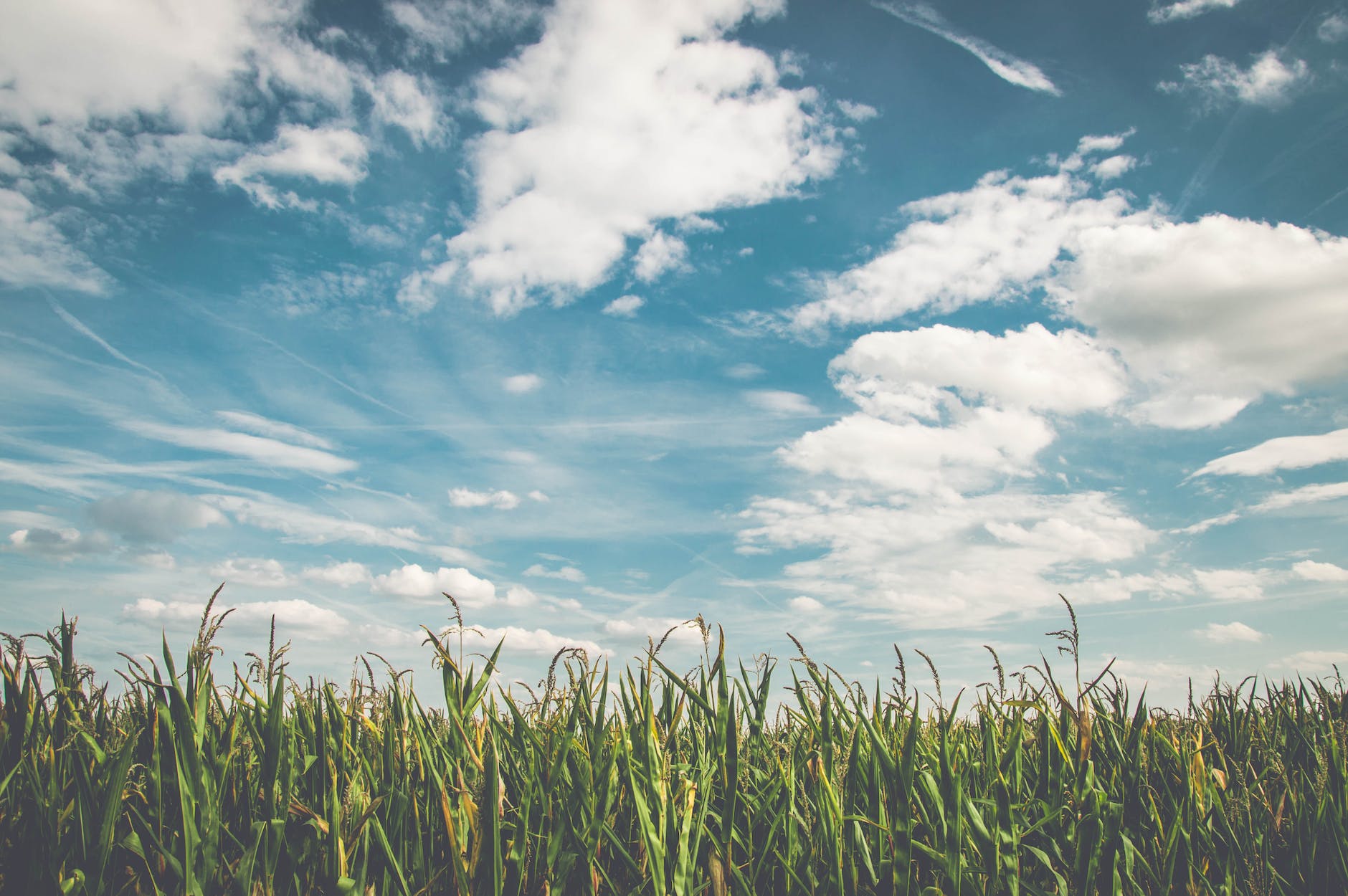
Researchers at the University of Missouri are studying a vividly colored purple corn variety, traditionally grown in South America, as a natural stand-in for synthetic red food dyes. The color comes from anthocyanins, the same antioxidant-rich pigments found in blueberries, red cabbage, and grapes, concentrated in the corn’s thin outer kernel layer, or pericarp.
Natural pigments have historically struggled to survive food manufacturing. “Most natural colors are fragile,” said lead researcher Pavel Somavat, explaining that processing temperatures can reach roughly 250 degrees Fahrenheit while products still need to look appetizing on shelves for weeks or months. In the team’s testing, about three-quarters of the purple corn’s key color compounds survived an hour at those processing temperatures, and coating the pigments in food-grade materials pushed retention for some compounds to nearly 97%, yielding shelf-stable powders that would be easier to store and ship.
In beverage testing, the colorant held up in both acidic and basic conditions, pointing to potential uses in juices, flavored waters, and sports drinks. “Even after seven weeks of refrigerated storage, color loss was minimal,” Somavat said. He added that manufacturers care most about whether a color holds up visually after heating and storage: “If the color looks good after heating, that’s what matters to manufacturers.”
For the past five years, the Mizzou team has worked with USDA Agricultural Research Service geneticist Sherry Flint-Garcia to adapt purple corn to Corn Belt growing conditions, crossbreeding colorful varieties with strains that already thrive in Missouri. “That way, farmers can grow purple corn, and we can benefit from its healthy properties,” Flint-Garcia said, pointing to a new crop option for Midwest growers tied to consumer demand for natural food colors and the antioxidant benefits linked to anthocyanins, including reduced inflammation and heart-health support.
Endnotes
- Pavel Somavat et al., “Thermal and storage degradation kinetics of corn anthocyanin-based natural red colorants in a model beverage system,” npj Science of Food, July 27, 2026, DOI: 10.1038/s41538-026-00881-w.
- University of Missouri-Columbia, “Researchers discover natural replacement for artificial food dyes,” news release via EurekAlert!, July 27, 2026.
Featured image credit: Photo by Pixabay on Pexels.com


Leave a Reply