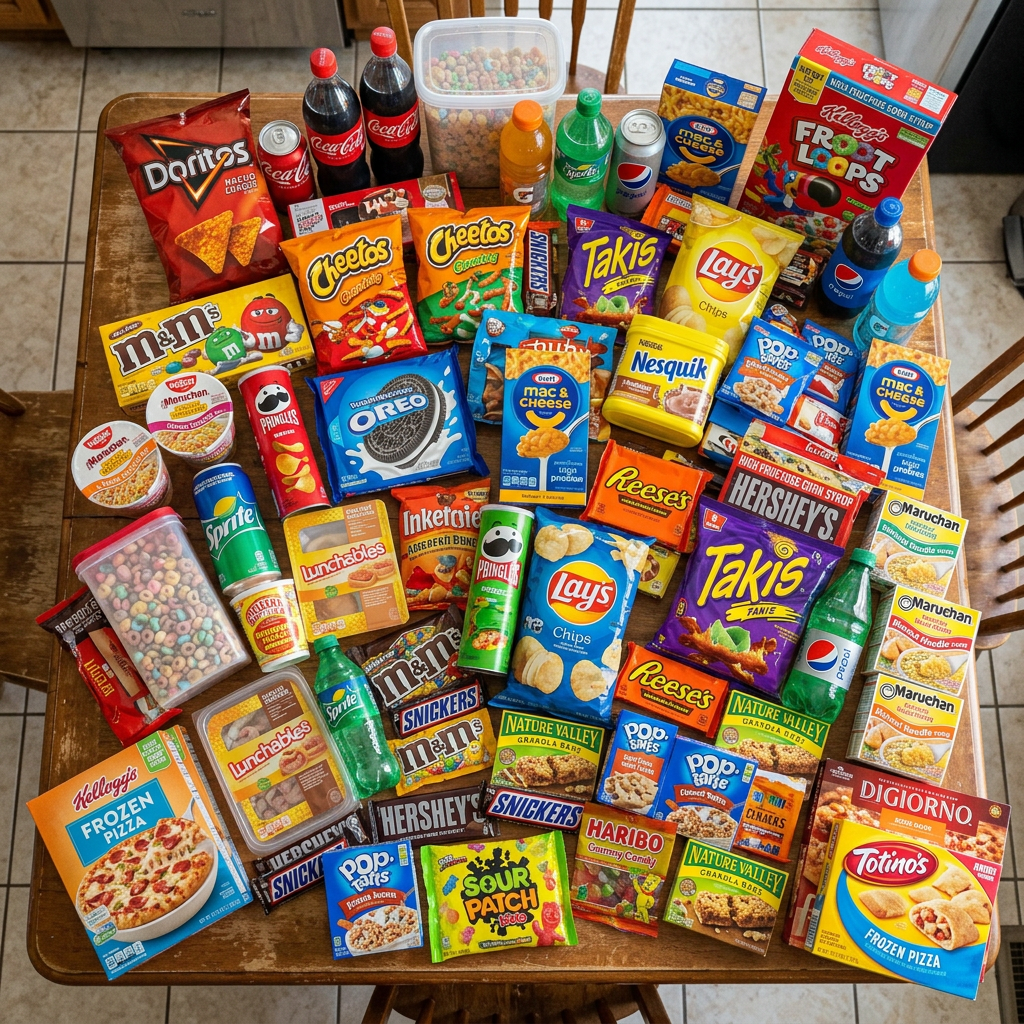
A fondness for well-known fast-food and sugar-sweetened beverage brands may be a strong warning sign of a poor overall diet, even among people who correctly rate those brands as unhealthy, according to new research from the University of Technology Sydney (UTS). Poor dietary habits contribute to obesity, type 2 diabetes, heart disease, certain cancers, and premature mortality, and researchers say aggressive marketing of fast-food brands may be driving increases in chronic diet-related disease.
“When people develop a psychological loyalty to fast-food brands, it acts as a strong predictor of their saturated fat and sugar intake,” said Dr Poppy Watson, senior author on the study, regardless of how healthy people actually perceive those brands to be.
Liking a Brand Skews How Healthy It Seems
The research found that participants who liked fast-food brands consumed more fat and sugar while also perceiving those brands as healthier than they actually are. “Those who love these brands actually rate them as healthier,” said Dr Mike Kendig, senior lecturer in Medical Science at UTS. The study, published in the Journal of Health Communication, brought together researchers from medical science, psychology, and marketing, including Professor Natalina Zlatevska and Associate Professor Adrian Camilleri from the UTS Business School.
Across separate studies conducted in Australia and the United States, researchers assessed participants’ attitudes toward fast-food and beverage brands, their perceptions of how healthy those brands were, and their actual dietary habits using comprehensive questionnaires.
Marketing’s Outsized Influence
“Unhealthy food marketing is pervasive in retail, media, sport and other settings,” Dr Watson said. “Companies wouldn’t do this if it wasn’t incredibly effective in shaping purchase decisions.”
The stakes are significant: roughly one-third of calories consumed by adults in both Australia and the United States come from ultra-processed “discretionary” foods and drinks loaded with sugar, salt, and saturated fat. “We need to be aware of how much marketing biases our health perceptions and influences what we eat,” Watson said, adding that governments and public health organizations need to address marketing’s population-level impact on diet.
The study was published in the Journal of Health Communication (DOI: 10.1080/10810730.2026.2725159) and was funded by the Australian Research Council.




Leave a Reply