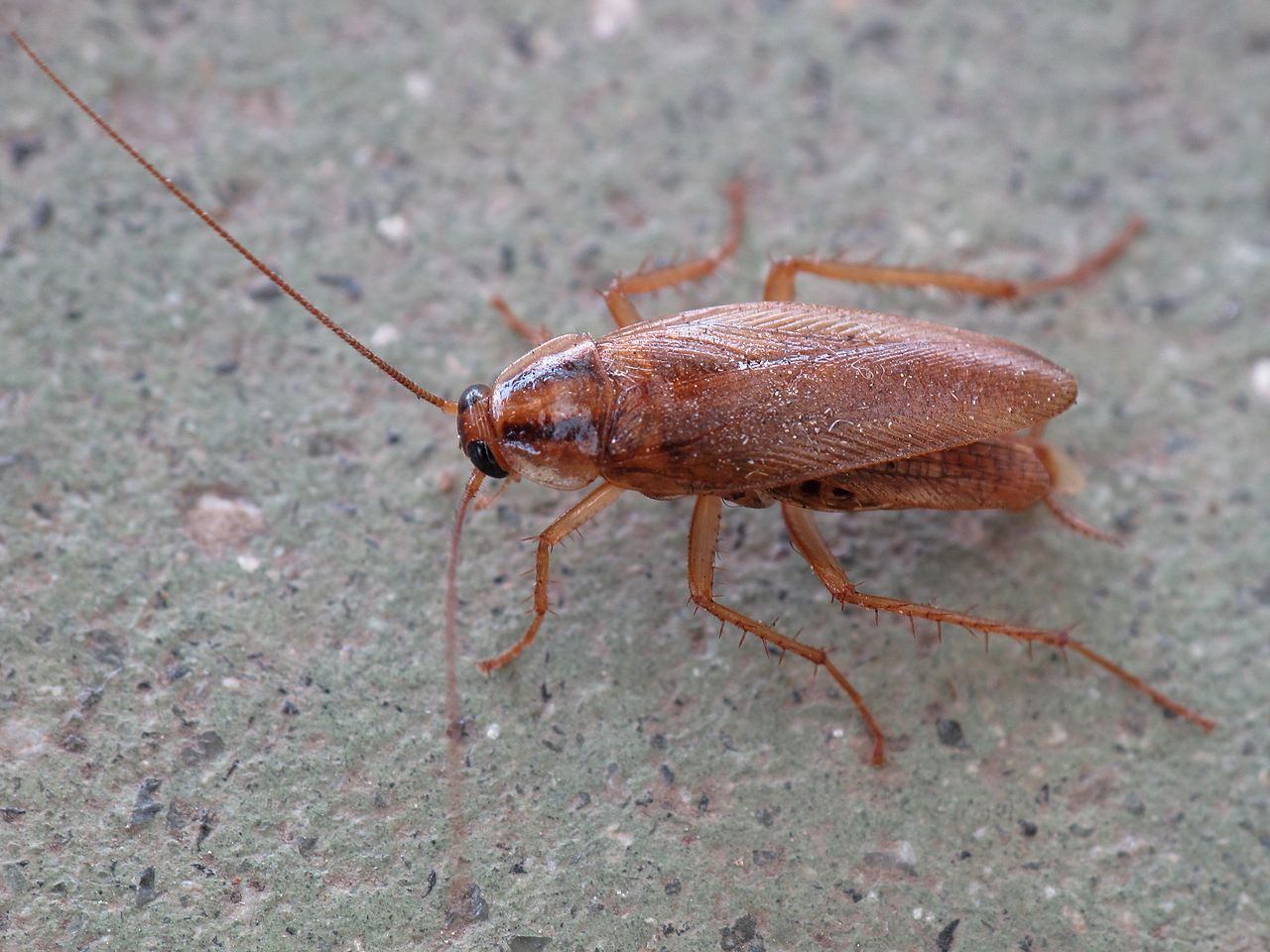
A new paper describes a study of antimicrobial resistance (AMR) transmission among cockroaches, with implications for AMR transmission in humans. The study was published in mSystems, a journal of the American Society for Microbiology.
AMR represents a serious threat to the health of humans and other animals. With fewer and fewer drugs being effective against some microbial pathogens, infections have become increasingly difficult to treat. Theoretical modeling has been used to explore the spread of AMR through the microbiome of the symbiotic, or nonpathogenic, gut of animals. The present study represents a real-world investigation.
Gregarious insects such as cockroaches permit a simple, easily maintained experimental system to test microbial transmission of AMR. Many cockroach species live in dense groups and have frequent contact, parallel to humans living in urban environments. Researchers added tetracycline to the diet of a population of socially interactive cockroaches. Tetracyclines are a class of antibiotics that treat several kinds of bacterial infections. They observed an increase in abundance of tetracycline resistance genes in their gut microbiomes.

The researchers at the Technical University of Denmark then allowed an untreated population of cockroaches to mix with the tetracycline-treated ones. After interaction with treated cockroaches, the untreated ones also displayed elevated resistance to tetracycline, as did the soil substrate in the habitat which housed the cockroaches. The levels of tetracycline resistance depended on the extent and the frequency of interaction between treated and untreated cockroach populations.
The results of the study illustrate that the direct overuse of antibiotics may not be the only way in which AMR is transmitted; animals carrying AMR genes in their microbiomes can interact with those that do not, facilitating transmission of AMR genes between them. Complementary research in mammals will be needed to confirm these results and extrapolate the findings to humans.
IMAGE CREDIT: Lmbuga.
Sign up for the Daily Dose Newsletter and get the morning’s best science news from around the web delivered straight to your inbox? It’s easy like Sunday morning.




Leave a Reply