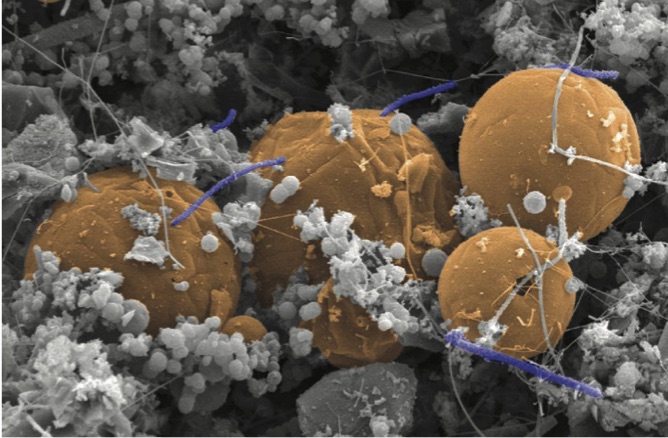
A study recently completed at the University of Helsinki revealed that the fungal microbiota in the gut is more abundant and diverse in children treated with antibiotics compared with the control group even six weeks following the start of the antibiotic course. In light of the findings, a reduction in the number of gut bacteria as a result of antibiotic therapy reduces competition for space and leaves more room for fungi to multiply.
“The results of our research strongly indicate that bacteria in the gut regulate the fungal microbiota and keep it under control. When bacteria are disrupted by antibiotics, fungi, Candida in particular, have the chance to reproduce,” says PhD student Rebecka Ventin-Holmberg from the University of Helsinki.
A new key finding in the study was that the changes in the fungal gut microbiota, together with the bacterial microbiota, be part of the cause of the long-term adverse effects of antibiotics on human health.
Long-term changes in infant gut microbiota
Antibiotics are the most commonly prescribed drugs for infants. They cause changes in the gut microbiota at its most important developmental stage. These changes have also been found to be more long-term compared with those of adults.
“Antibiotics can have adverse effects on both the bacterial and the fungal microbiota, which can result in, for example, antibiotic-associated diarrhoea,” Ventin-Holmberg says.
“In addition, antibiotics increase the risk of developing chronic inflammatory diseases, such as inflammatory bowel disease (IBD), and they have been found also to have a link to overweight,” she adds.
These long-term effects are thought to be caused, at least partly, by an imbalance in the gut microbiota.
In the gut, everything is connected
The recently published study involved infants with a respiratory syncytial virus (RSV) infection who had never previously received antibiotics. While some of the children were given antibiotics due to complications, others received no antibiotic therapy throughout the study.
“Investigating the effects of antibiotics is important for the development of techniques that can be used to avoid chronic inflammatory diseases and other disruptions to the gut microbiota in the future,” Ventin-Holmberg emphasises.
While the effect of antibiotics on bacterial microbiota has been previously investigated, studies on fungal microbiota have been scarce. The findings of this study indicate that fungal microbiota may also have a role in the long-term effects of imbalance in the gut microbiota.
“Consequently, future research should focus on all micro-organisms in the gut together to better understand their interconnections and to obtain a better overview of the microbiome as a whole,” Ventin-Holmberg notes.
IMAGE CREDIT: NAIAD.




Leave a Reply