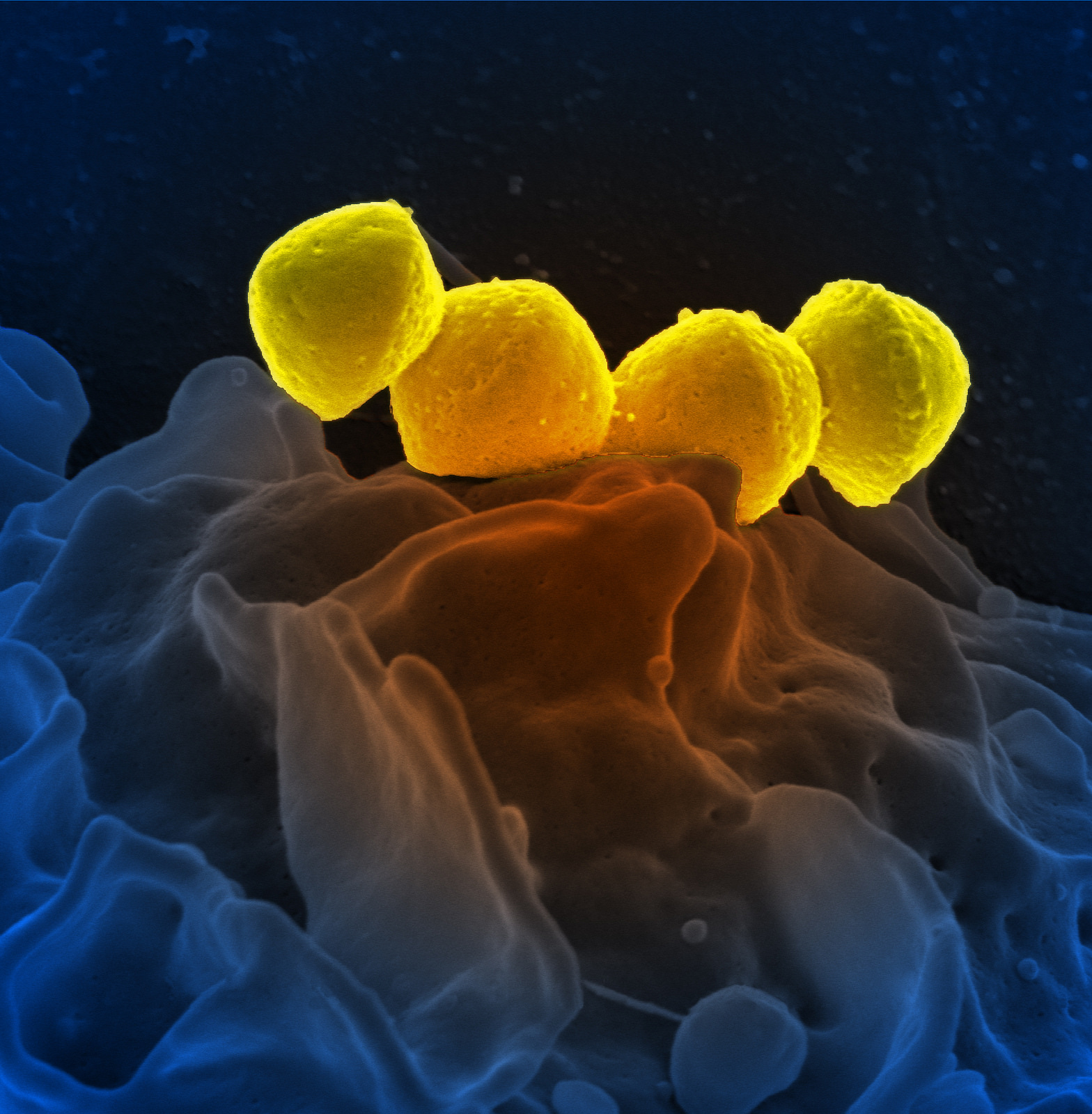
MEMPHIS, Tenn. – St. Jude Children’s Research Hospital scientists have discovered how Streptococcus pneumoniae survives antibiotic treatment through an RNA-based tolerance mechanism rather than traditional resistance. The findings were published in Cell Host & Microbe.
The research reveals that bacteria employ a “bet-hedging” strategy where populations adopt different survival states under antibiotic stress. While most cells die, a subset enters temporary tolerance by reducing cellular activity and slowing damage. This response involves mutations in the rny gene, which regulates RNA degradation.
“Being able to target the bacterial populations that are refractory to antibiotic treatment is absolutely critical,” explained Dr. Jason Rosch, corresponding author. The study tracked S. pneumoniae evolution within hosts and found that host pressures favored tolerance adaptations over resistance mutations.
Dr. Rosch emphasized: “Antibiotic treatment can fail even in the absence of traditional resistance.” This understanding could guide development of strategies to enhance antibiotic effectiveness.
Journal: Cell Host & Microbe
DOI: 10.1016/j.chom.2026.06.019
Article Title: RNA Quality Control Enables Antibiotic Tolerance
Publication Date: 22-Jul-2026
Funding: National Institutes of Health and ALSAC
Source: EurekAlert



Leave a Reply