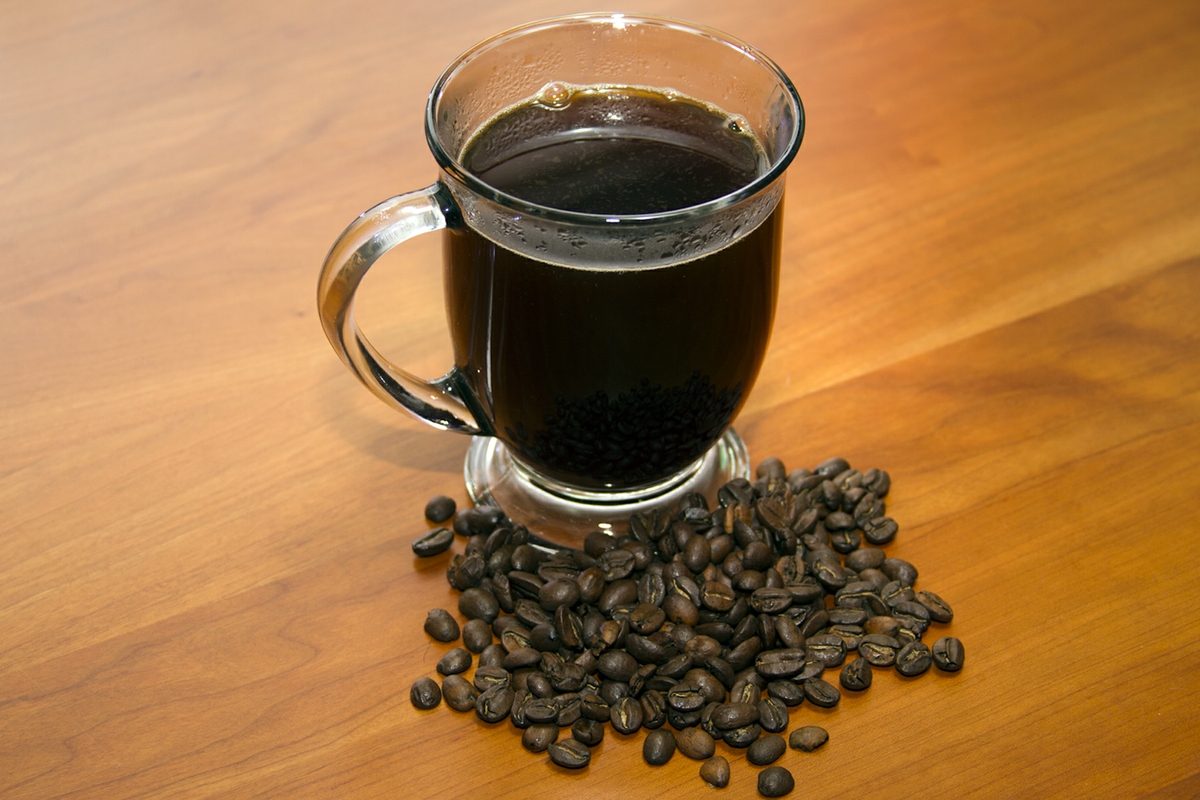
Although the relationship between caffeine and cardiovascular health is complex, the latest research indicates consuming up to 5 cups of caffeinated coffee per day is safe for most adults and may be linked to cardiovascular benefits
Caffeine is the world’s most popular stimulant and psychoactive substance, and coffee is the most common way people consume it. New research supports the conclusion that for most adults, consuming up to 400 mg of caffeine a day — the equivalent of up to 5, 8-ounce cups of caffeinated coffee — is safe and appears linked to a lower risk of cardiovascular disease for some individuals. However, higher doses of caffeine, such as those found in energy drinks including energy shots, may cause cardiovascular harm, according to a new American Heart Association scientific statement, “Caffeine and Cardiovascular Disease,” published in the Association’s flagship journal Circulation.
“Caffeine consumed in coffee is a key part of daily life for millions of people, and in our review of the most recent research, for most adults, intake of up to 400 mg of caffeine/day, the equivalent of up to 5 cups of caffeinated coffee per day without added sugars or fillers, is safe and does not increase cardiovascular risk,” said Gregory M. Marcus, M.D., M.A.S., FAHA, chair of the scientific statement writing group, professor of medicine at the University of California, San Francisco School of Medicine and associate chief of Cardiology for Research at UCSF Health. “However, high doses of caffeine, such as those found in energy drinks including energy shots, may have harmful effects on the heart and should be avoided.”
Studying caffeine’s cardiovascular effects is challenging: coffee is the main source of caffeine in most research, so observed effects may be partly due to other bioactive compounds in coffee with antioxidant and anti-inflammatory properties, and it’s hard to separate caffeine’s effects from those of milk, cream, flavored syrups or sugar typically added to it. Most studies are also observational, meaning they cannot prove cause and effect. Tea, chocolate, soda, energy drinks and various medications also contribute to overall caffeine intake, though more research is needed on these other sources.
Key things to know
Consuming up to 400 mg of caffeine per day — no more than 3 to 5, 8-ounce cups of regular black caffeinated coffee (without sugars, sweeteners, flavors or added fillers) — is considered safe for most adults. A regular brewed, non-specialty, caffeinated coffee typically contains 9.4 to 20.6 mg of caffeine per fluid ounce. Caffeinated coffee without added sugars, flavors or cream was linked to a lower risk of Type 2 diabetes, heart disease, stroke, heart failure and some irregular heart rhythms, and randomized trials have shown that caffeine consumption in coffee is associated with a lower risk of atrial fibrillation but also a higher risk of premature ventricular contractions. Adding sugar, flavored syrups, milk or cream to coffee likely reduces its potential health benefits. Higher caffeine intake, such as levels found in energy drinks including energy shots — which may contain 40-69 mg of caffeine per fluid ounce, 3-4 times more than regular coffee — was associated with cardiovascular harm, including increased risk of high blood pressure and irregular heart rhythm.
Caffeine consumed in coffee is metabolized by the liver and generally reaches peak concentration for most people within an hour, though how quickly individuals process it depends on genetics, metabolism, age and past caffeine use. Short-term effects may include temporary increases in blood pressure, heart rate, blood sugar and alertness, and some people may experience heart palpitations or sleep disruption.
On blood pressure: in people with optimal blood pressure, drinking 1-3 cups a day was associated with an increased risk of developing high blood pressure, while drinking more than 3 cups a day was associated with a lower risk. High doses of caffeine can significantly increase blood pressure, especially in people who already have hypertension. On Type 2 diabetes: caffeinated coffee may reduce insulin sensitivity in the short term, but drinking black, caffeinated coffee regularly was linked to a lower risk of developing Type 2 diabetes, though this benefit may stem from compounds in coffee other than caffeine. On cholesterol: cafestol, a component in both caffeinated and decaffeinated coffee, was associated with higher levels of LDL (“bad”) cholesterol; cafestol is present in unfiltered coffee such as espresso, French press, Turkish or boiled coffee, but not in coffee brewed with paper filters or instant coffee. On heart rhythm: drinking 1-3 cups of caffeinated coffee per day was not associated with an increased risk of atrial fibrillation, though it may be associated with more premature ventricular contractions; very high doses of caffeine have been linked to abnormal heart rhythm even in healthy adults younger than 30. On heart disease and stroke: drinking 2-4 cups of caffeinated coffee per day was linked to a lower risk of heart disease, heart failure and stroke, though drinking more than 4 cups a day may increase the risk of heart failure.
Tea has been associated with reduced risk of atrial fibrillation, heart failure and stroke, similar to caffeinated coffee, though fewer studies have focused on tea. Energy drinks, bars, gels and caffeine-based supplements often contain other added ingredients that may increase caffeine absorption, accelerate its effects, raise blood pressure and increase the risk of cardiovascular harm. Due to a lack of sufficient, rigorous data, caffeine was not referenced in the Association’s 2026 Dietary Guidance to Improve Cardiovascular Health.
“Although research suggests that caffeine consumption may be associated with certain cardiovascular benefits for some people, it’s important to remember that there is no ‘one-size-fits-all’ strategy for safe caffeine consumption. People can respond very differently to caffeine based on various factors, such as age, medications, underlying health conditions, genetics and how quickly their bodies metabolize it. What may be a reasonable amount for one person could cause unwanted effects, such as heart palpitations, anxiety or sleep disruption, in another. That’s why it’s important to pay attention to how your body responds to caffeine and talk with your healthcare team about what is right for you,” Marcus said.
The scientific statement was prepared by the volunteer writing group on behalf of the American Heart Association’s Council on Lifestyle and Cardiometabolic Health, the Council on Clinical Cardiology, and the Stroke Council. Co-authors are Vice Chair Frank B. Hu, M.D., M.P.H., Ph.D., FAHA; Rob M. van Dam, Ph.D.; Marilyn C. Cornelis, Ph.D.; Thomas A. Dewland, M.D.; JungHee Kang, Ph.D., M.P.H., R.N.; Susanna C. Larsson, Ph.D.; Robert L. Page II, Pharm.D., M.S.P.H., FAHA; and Niyati Parekh, Ph.D., FAHA.
Journal: Circulation
DOI: 10.1161/CIR.0000000000001454
Article Title: Caffeine and Cardiovascular Disease: A Scientific Statement From the American Heart Association
Publication Date: July 20, 2026
Source: EurekAlert



Leave a Reply