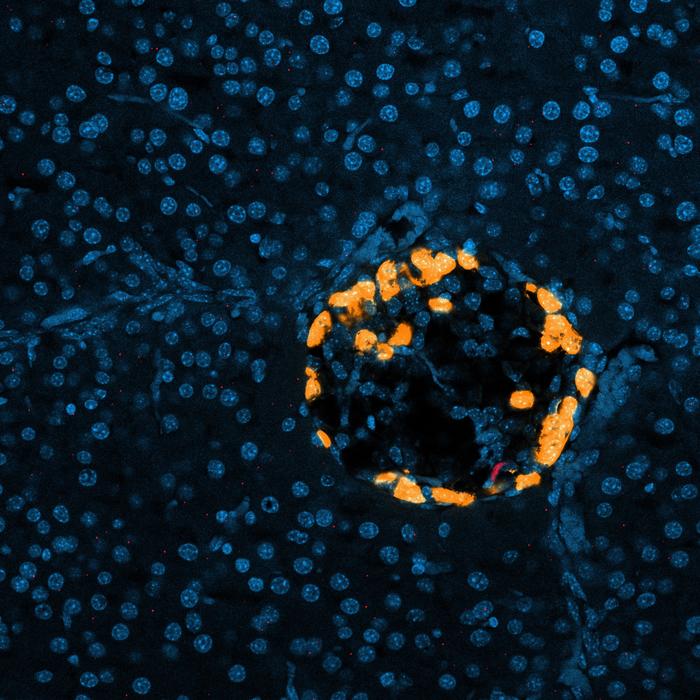
Common sweeteners can slow the growth of important gut bacteria in laboratory tests — and combining them with certain everyday drugs makes the effect considerably stronger, according to new research from the University of Cambridge’s MRC Toxicology Unit.
Professor Kiran Patil and lead author Dr Sonja Blasche tested 25 species of gut bacteria against 39 common sweeteners, finding that roughly three-quarters of the sweeteners altered the growth of at least one bacterial species. The team then tested combinations of sweeteners with caffeine, vanillin, the sweetener advantame, and eight widely used drugs, uncovering more than 100 interactions — 34 that strengthened the effect and 68 that weakened it.
The most striking result involved isosteviol, a sweetener, paired with duloxetine, an antidepressant taken by more than 4.2 million people in the United States as of 2023. Together, the pair strongly suppressed two beneficial gut species, Roseburia intestinalis and Parabacteroides merdae. In a synthetic 25-species microbial community built to mimic the gut, the isosteviol-duloxetine combination reduced microbial diversity, increased toxicity toward host cells, and interfered with cells involved in inflammation and immune response.
The researchers emphasize that the work was conducted entirely in the lab and has not yet been tested in humans, but say it raises questions about how the sweeteners many people consume daily might interact with common medications.
Journal: Molecular Systems Biology
Article Title: “Common xenobiotics modulate gut microbial responses to low-calorie sweeteners in vitro”
DOI: 10.1038/s44320-026-00225-6
Publication Date: 25 Jun 2026
Source: EurekAlert

.jpg)

Leave a Reply