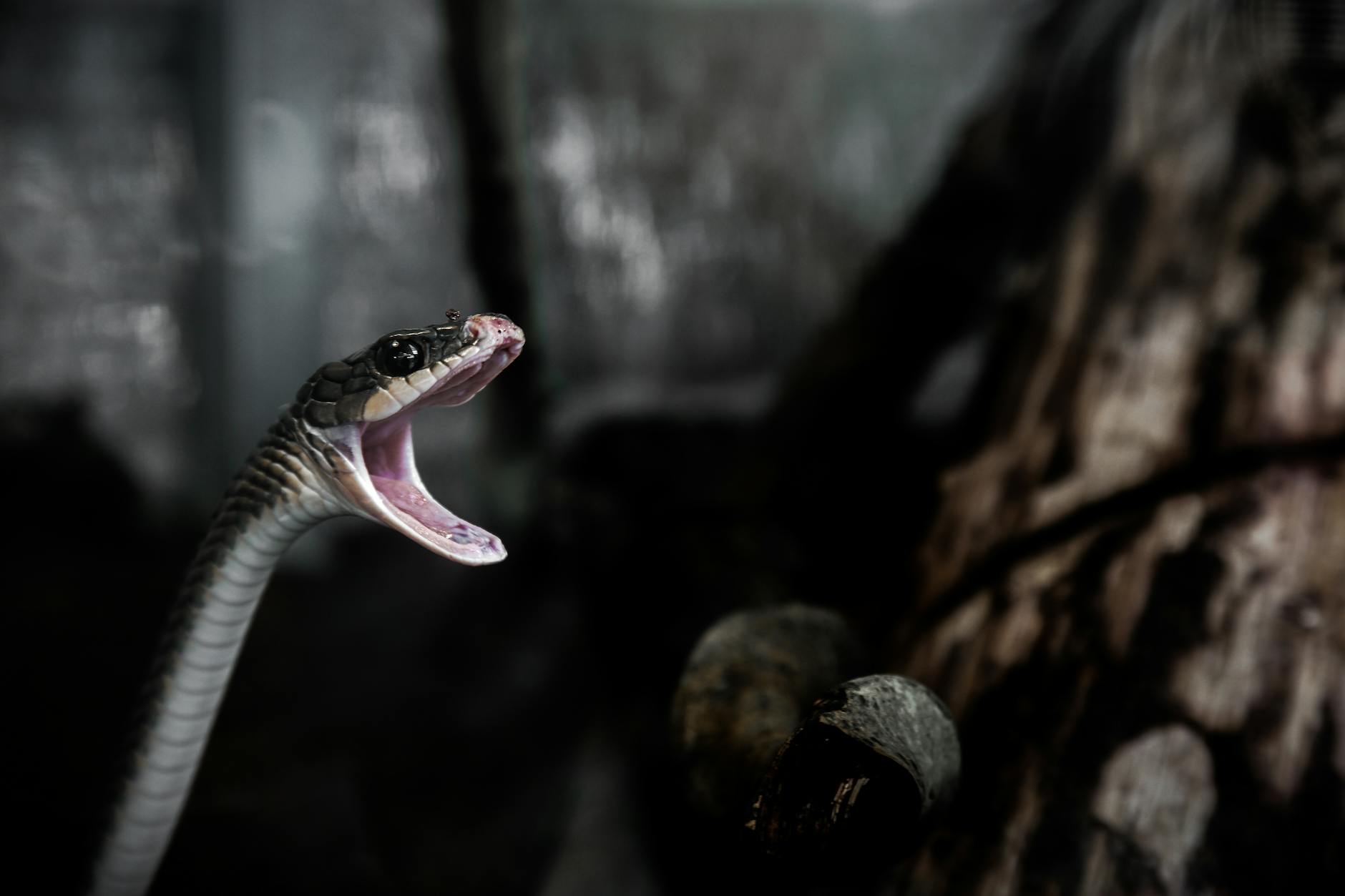
The spider-tailed horned viper, a species from Iran, employs an extraordinary hunting strategy. Its tail tip resembles a spider complete with bulbous body and long legs, attracting birds that become prey when the snake strikes.
Researchers recently used X-ray computed tomography to examine the holotype specimen housed at the Field Museum in Chicago. Sara Ruane, Associate Curator of Herpetology, explained: “Scientists first collected a specimen in 1968, thinking it had a deformity at the tail tip, like a tumor.”
The snake wasn’t formally described as Pseudocerastes urarachnoides until 2006. Video documentation later confirmed the spider-like appendage successfully lures birds.
When Georgalis from the Polish Academy of Sciences learned of the holotype’s location, he proposed collaboration. As a paleontologist studying snake vertebrae, he was intrigued by this unusual species.
The findings surprised everyone. Georgalis stated: “The spider tip on the tail is only external morphology—the tail vertebrae themselves were typical.”
This discovery has significant implications for paleontology. The bizarre external structure leaves no skeletal evidence of the snake’s remarkable behavior, reminding scientists that fossils reveal only partial stories of prehistoric life.
Journal: The Anatomical Record
DOI: 10.1002/ar.70308
Article Title: Vertebral morphology and intracolumnar variation of the iconic and bizarre viperid snake Pseudocerastes urarachnoides (Serpentes, Viperidae)
Publication Date: 10-Sep-2026
Source: EurekAlert




Leave a Reply