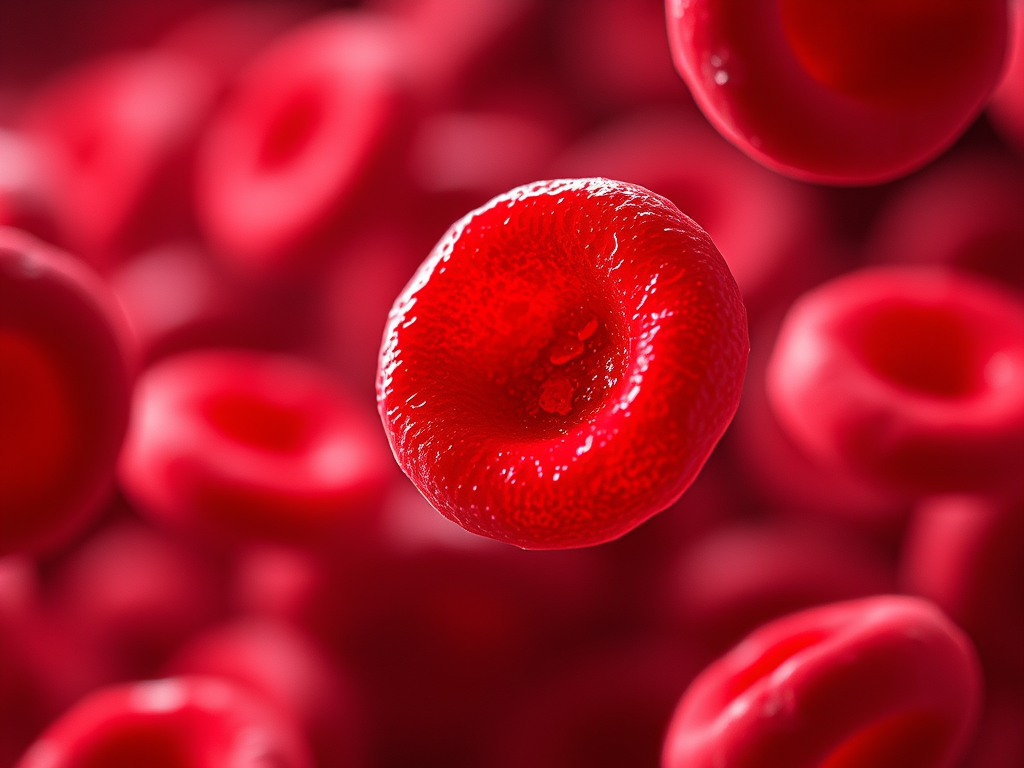
Myeloproliferative neoplasms (MPNs) are clonal myeloid blood disorders arising from acquired mutations in hematopoietic stem cells (HSCs). Classic BCR/ABL-negative MPNs include polycythemia vera (PV), essential thrombocythemia (ET), and primary myelofibrosis (PMF). Although targeting the JAK-STAT pathway has become a key therapeutic strategy, current treatments mainly relieve symptoms and fail to eliminate disease-initiating cells, highlighting an urgent clinical need for new interventions.
This study is the first to demonstrate, in multiple mouse disease models, that Fufang Huangbo Formula (FHF) significantly reduces the disease burden and progression of MPNs, including the EPOhigh-induced PV-like model, the JAK2V617F-driven PV model, and the MPLW515L-driven ET model. FHF effectively reduces thrombosis induced by erythrocyte aggregation in PV and alleviates the progression of bone marrow fibrosis in ET. At the mechanistic level, through network pharmacology and transcriptomic sequencing analysis, the study reveals a dual action of FHF: on one hand, it induces MPN cell senescence and inhibits cell proliferation by activating the p53/p21 signaling axis; on the other hand, it alleviates inflammation by suppressing the STAT3 and NF-κB signaling pathways. Comprehensive experimental validation further confirms that the anti-proliferative effect of FHF on MPN cells is mainly mediated by inducing senescence rather than apoptosis. In addition, molecular docking analysis identifies forsythiaside A, chlorogenic acid, and chicoric acid as key active components targeting STAT3 and NF-κB, providing an important basis for quality control of the formula and future drug development.
This research provides scientific evidence for the use of Chinese herbal formulas in treating hematologic malignancies and offers a new strategy for multi-target combination therapy of MPNs.
Journal: Pharmaceutical Science Advances
DOI: 10.1016/j.pscia.2026.100121
Article Title: Fufang Huangbo Formula mitigates myeloproliferative neoplasms by activating p53/p21 signaling axis and inhibiting STAT3 and NF-κB signaling pathways
Publication Date: 16-Apr-2026
Source: EurekAlert / Higher Education Press



Leave a Reply