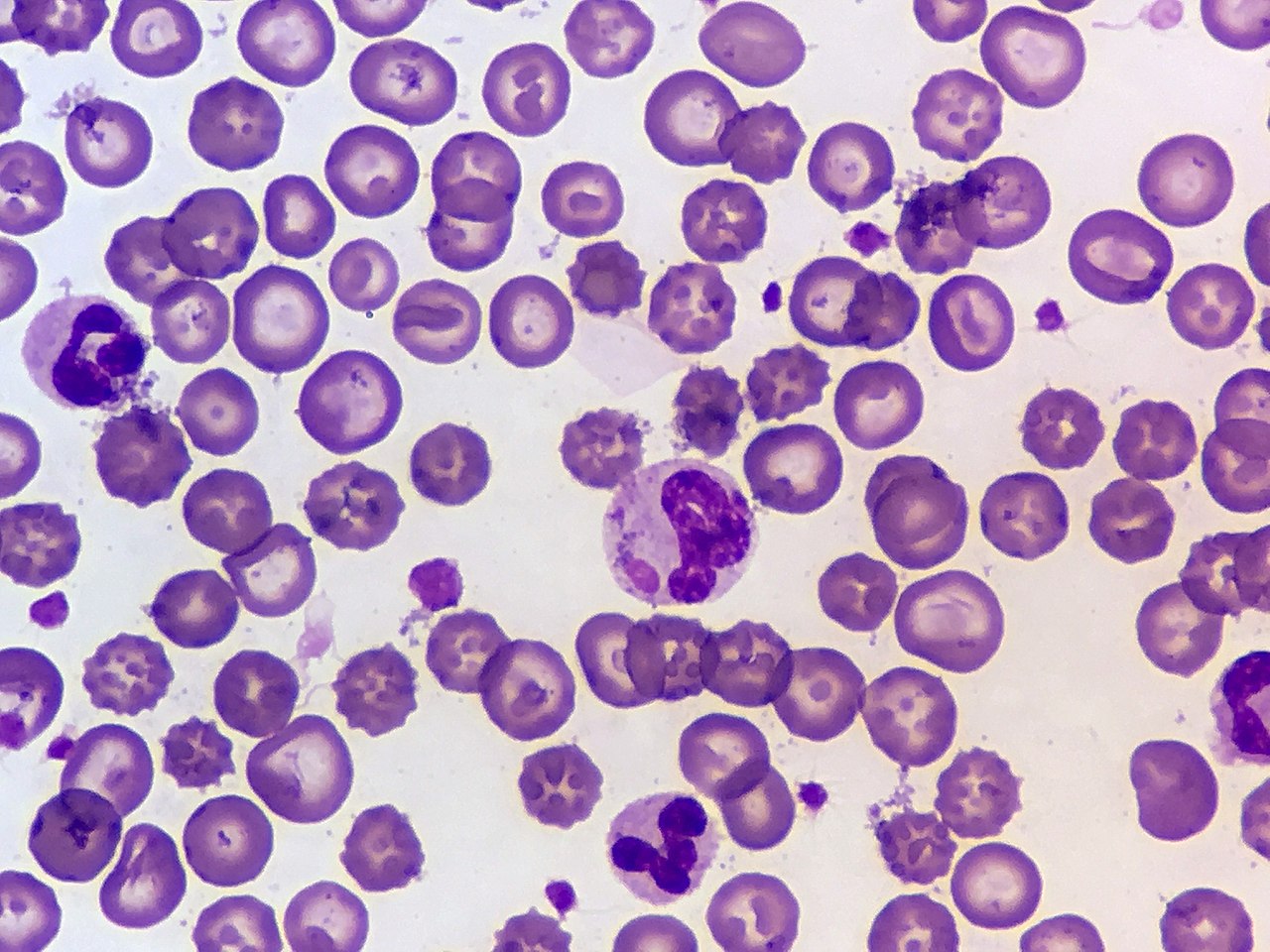
Gastric cancer (GC) ranks fifth in global cancer incidence, causing over 650,000 deaths annually. The clinical management of this disease has long been hampered by a scarcity of effective early screening tools—most patients are first diagnosed at advanced stages, when the therapeutic window is extremely narrow. A research team has systematically profiled the virome in blood and fecal samples from gastric cancer patients, delineating the virological landscape of the disease.
“In healthy individuals, the blood virome is dominated by bacteriophages—viruses that infect bacteria. But in gastric cancer patients, over 80% of viral sequences belong to a single family, Anelloviridae—viruses that infect humans but rarely cause disease. At the same time, viral diversity plummets, as if an entire ecosystem is being taken over by one species.”
Dr. Wang Li, corresponding author
The researchers identified 67 provisional novel anellovirus species and one entirely new virus, a gemykibivirus, in the blood of gastric cancer patients, greatly expanding understanding of the hidden diversity of the human blood virome.
“Interestingly, the gut told a different story. While blood diversity declined, the gut virome of cancer patients showed increased diversity, with a mix of bacteriophages.”
Dr. Wang Li
“This indicates that the virome is not a single entity but is compartment-specific, with each site following its own ecological rules.”
Dr. Shaokun Pan, co-corresponding author
The most clinically translatable finding came from LEfSe analysis, which identified Betatorquevirus, a genus within Anelloviridae, as a key viral signature distinguishing gastric cancer patients from healthy individuals. Network analyses further revealed that anelloviruses negatively correlate with multiple bacteriophage families, suggesting they may outcompete other viruses in the bloodstream.
“The expansion of blood anelloviruses holds promise as a non-invasive biomarker for gastric cancer. Whether this virus can serve as a non-invasive biomarker requires larger prospective studies to validate its clinical utility.”
Dr. Wang Li
This study provides the first comprehensive atlas of blood and gut virome remodeling in gastric cancer, offering new insights into fundamental biology and laying a foundation for the development of future diagnostic tools. The team has made all data publicly available to accelerate further research in this emerging field.
Journal: Virologica Sinica
DOI: 10.1016/j.virs.2026.08.010
Funders: National Key R&D Program of China, Shanghai Municipal Science and Technology Major Project, National Key Project for Infectious Diseases of China, Open Project of the Key Laboratory of Medical Molecular Virology (MOE/NHC/CAMS) at Fudan University, National Natural Science Foundation of China, Science and Technology Innovation Plan of Shanghai Science and Technology Commission, Research Projects on Experimental Technologies for Large-Scale Scientific Instruments of Fudan University



Leave a Reply