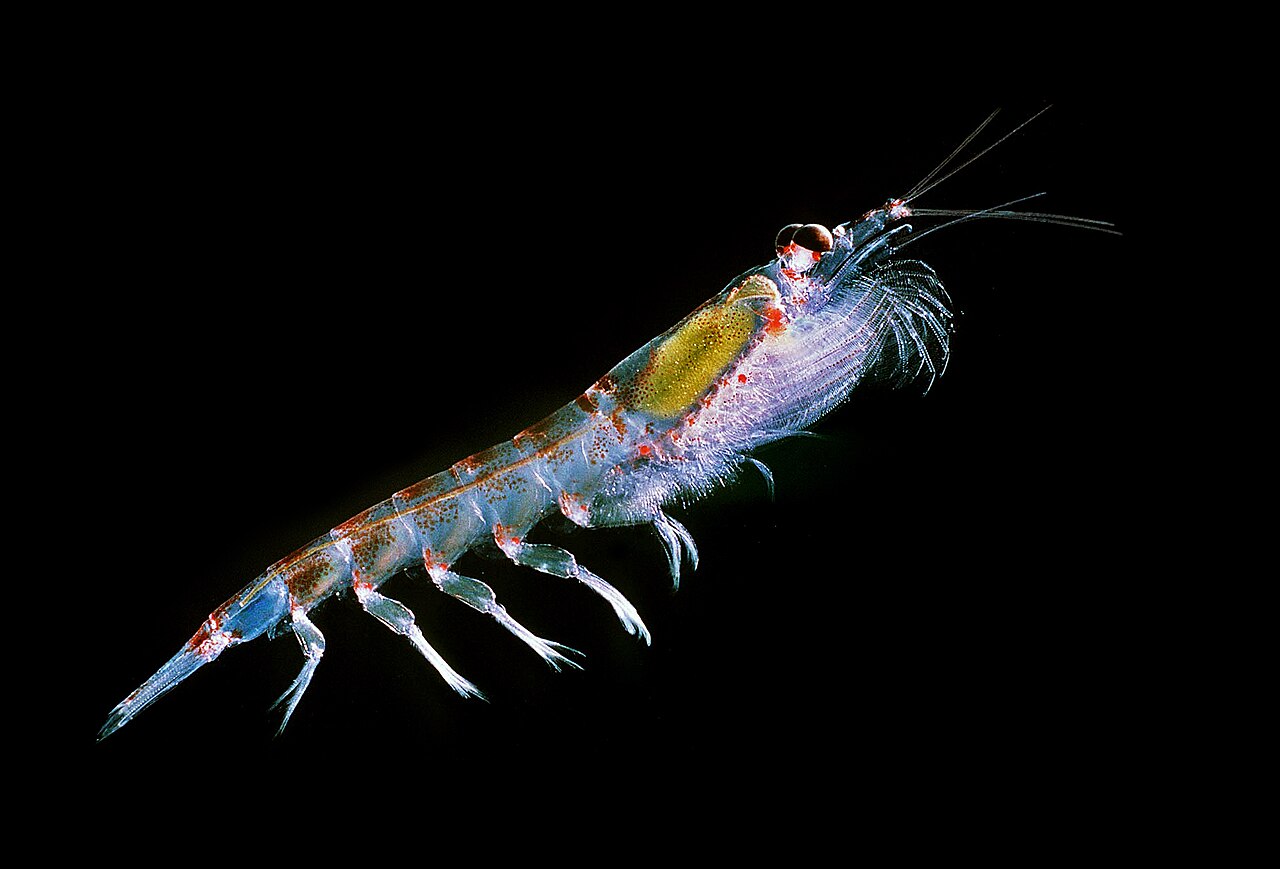
Scientists at the University of Plymouth and the British Antarctic Survey have published new research examining how coastal freshening—a reduction in ocean salinity caused by melting glaciers, increased rainfall, and extreme weather—threatens Antarctic marine life.
The study focused on the giant amphipod species Paraceradocus miersi, which inhabits Antarctic coastal waters. Researchers exposed these creatures to simulated freshening conditions and discovered that reduced salt levels impair the animals’ ability to regulate ions essential for survival. The amphipods lose salts, gain water, and experience gill damage when exposed to diluted seawater.
Professor John Spicer, lead author and Professor of Marine Zoology at the University of Plymouth, explained: “Even if the water is diluted fractionally, the amphipods lose their salts, gain water and their gills are damaged.”
The research suggests that continued coastal freshening may significantly threaten shallow-dwelling marine invertebrates and reshape Antarctic seafloor communities.
Journal: Marine Environmental Research
DOI: 10.1016/j.marenvres.2026.108368
Article Title: The giant Antarctic amphipod Paraceradocus miersi will not fare well if freshening continues in the Southern Ocean
Article Publication Date: 24-Aug-2026
Source: EurekAlert

Leave a Reply