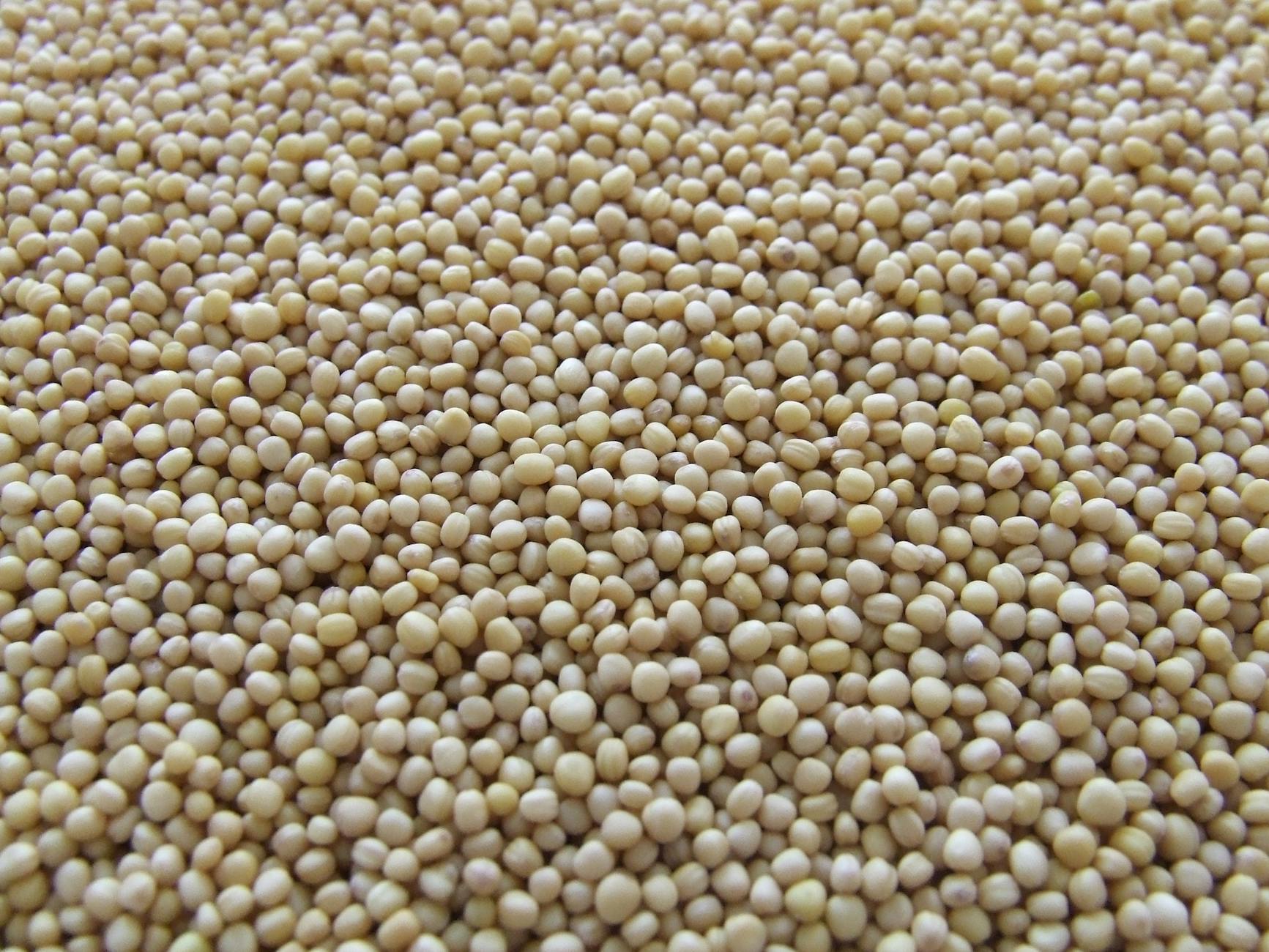
A research team led by Prof. HOU Xingliang from the South China Botanical Garden of the Chinese Academy of Sciences has used genome-wide association studies (GWAS) to identify a rare allele that controls seed protein content and was lost during soybean domestication.
Their findings were published in Proceedings of the National Academy of Sciences (PNAS) on Oct. 30.
Domesticating wild plants into crops represents a breakthrough in human history, yet key beneficial traits are often lost in the process. Soybeans are a good example. Modern soybean cultivars have lower seed protein content (30–40%) than their wild ancestors, wild soybeans (Glycine soja), which typically contain 50–60% protein. Since soybeans (Glycine max [L.] Merr.) are the primary source of plant-based protein for both livestock feed and human nutrition, increasing seed protein content is a critical goal for agricultural research.
As part of this effort, the Chinese researchers wanted to understand which genes are responsible for high seed protein content in wild soybean ancestors—a question that had not been fully answered. To accomplish this, the researchers conducted GWAS on seed protein content across a natural soybean population. Through this work, they pinpointed a rare natural allele of Protein Contributor 08 (PC08) in wild soybeans, which enhances seed protein levels but was lost during the domestication of soybeans into modern crops.

Functional analysis further clarified PC08′s role in storage protein accumulation. The natural variation of PC08 found in wild soybeans includes a short insertion in its promoter region (PC08Ins), which boosts the gene’s expression. This increased expression raises abscisic acid (ABA) levels in seeds and ultimately promotes the accumulation of storage proteins.
Population genetics analysis confirmed that the high-protein haplotype PC08Ins is exclusive to wild soybeans and was not retained during domestication. To validate its potential, the researchers introgressed PC08Ins into a cultivated soybean variety called Hei Nong 35. The resulting backcrossed soybeans showed a significant increase in seed protein content, demonstrating that PC08 holds potential for molecular breeding efforts aimed at improving soybean seed protein content.
IMAGE CREDIT: Pixabay
Leave a Reply