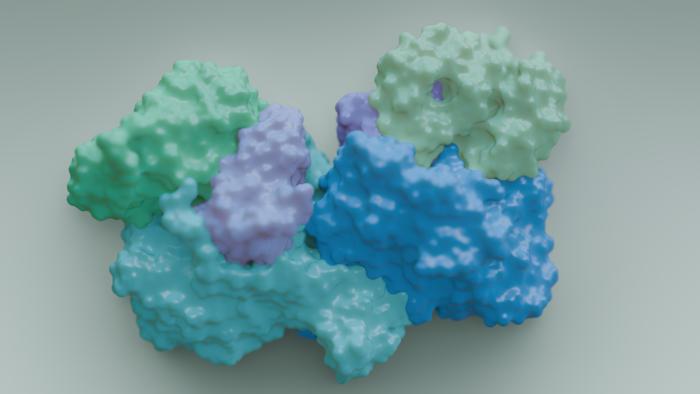
Melbourne researchers have discovered crucial new information about how microbes consume huge amounts of carbon monoxide (CO) and help reduce levels of this deadly gas.
Over two billion tonnes of carbon monoxide are released into the atmosphere globally each year. Microbes consume about 250 million tonnes of this, reducing CO to safer levels.
The Monash University-led Study, published in Nature Chemical Biology, reveals at an atomic level how microbes consume CO present in the atmosphere. They use a special enzyme, called the CO dehydrogenase, to extract energy from this universally present but highly toxic gas.
Co-first author Ashleigh Kropp, from the Monash Biomedicine Discovery Institute’s (BDI) Greening lab and the University of Melbourne’s Grinter lab, said the study showed for the first time how this enzyme extracted atmospheric CO and powered cells.
“This enzyme is used by trillions of microbes in our soils and waters. These microbes consume CO for their own survival, but in the process inadvertently help us,” Ms Kropp said.
Co-first author Dr David Gillett, who completed his PhD research in the Greening Lab, said this was a fantastic example of microbial ‘ingenuity’: how life has evolved ways to turn something toxic into something useful.
Sign up for the Daily Dose Newsletter and get every morning’s best science news from around the web delivered straight to your inbox? It’s easy like Sunday morning.
“These microbes help clean our atmosphere,” Dr Gillett said. “This counteracts air pollution, which kills many millions of people each year, and also reduces global warming given CO is indirectly a greenhouse gas.”
While this discovery is unlikely to be directly used to combat or monitor CO emissions, it deepens our understanding of how the atmosphere is regulated and how it might respond to future changes.
Professor Chris Greening, co-senior author and head of BDI’s Global Change Program, said the discovery highlighted the broader importance of microbes.
“Microbes play countless roles essential for both human and planetary health. Yet, because they’re invisible and often misunderstood, their contributions frequently go unnoticed,” he said.
Ms Kropp said microbes were a big reason why our air was breathable. “They make half the oxygen we breathe and detoxify various pollutants like CO. It’s crucial we better understand and appreciate how they support our own survival,” she said.
IMAGE CREDIT: Ashleigh Kropp and Dr David Gillett



Leave a Reply