
The secret to losing weight could all be down to a combination of 14 ‘skinny genes’, a new study has found.
University of Essex researchers discovered they helped people drop twice as much weight when they ran for half an hour three times a week.
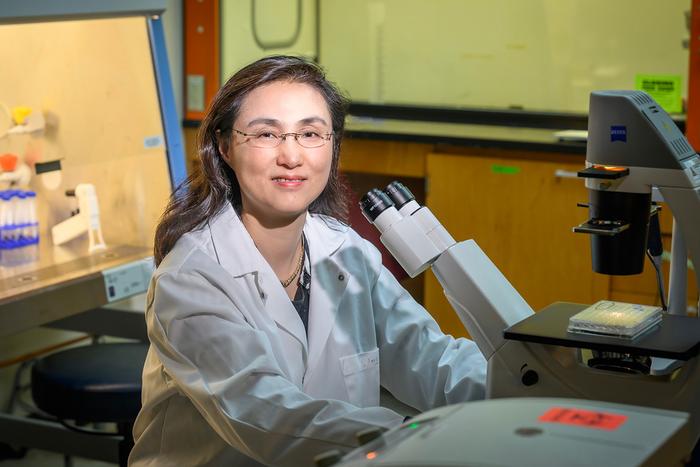
The team – led by Dr Henry Chung, from the School of Sport, Rehabilitation and Exercise Sciences – found those with more of the genes slimmed the most across eight weeks.
People with the most markers lost up to 5kg during the study and people without them dropped an average of 2kg.
The study found the PARGC1A gene that encodes PGC-1-a was key to weight loss and present in the participants who lost the most weight.
With the research showing that 62 per cent of the dropped kilograms were linked to the gene and 37 per cent linked to exercise and lifestyle factors.
Sign up for the Daily Dose Newsletter and get every morning’s best science news from around the web delivered straight to your inbox? It’s easy like Sunday morning.
Despite the results, Dr Chung said lifestyle factors and diet are still vital for slimming down.
Dr Chung said: “This study highlighted some important genes associated with taking inches off the jeans, but it’s important to remember that the genes will do nothing without exercise and lifestyle changes as they are all interlinked.
“Without intervention, they won’t show their true potential and then it doesn’t matter what genes you have!
“Away from weight loss exercise has so many benefits – ranging from mental health to cardiovascular fitness – so I’d advise everyone to keep on training even if they aren’t seeing the difference on the scales.”
The study followed 38 people all aged between 20 and 40 years old.
They were instructed to follow their normal diets and lifestyle habits, not do any other training, and were weighed before and after the study.
The paper, published in Research Quarterly for Exercise and Sport, builds on Dr Chung’s previous study which showed running performance was also linked to genetics.
He hopes the research will allow governments, companies, and individuals to better tailor health interventions.
“If we can better understand someone’s specific genetic profile, hopefully, this will translate to better and more successful interventions for improving health outcomes” added Dr Chung.


Leave a Reply