
Researchers at Baylor College of Medicine and collaborating institutions have discovered a mechanism that drives the long-term decline in immune response that is observed after tuberculosis (TB) has been successfully treated. Their findings, published in the Proceedings of the National Academy of Sciences, suggest a potential new way to restore immune responsiveness and reduce mortality risk after severe infections.
“Sepsis, the body’s extreme response to an infection, and TB are associated with loss of protective immune responses and increased mortality post successful treatment,” said Dr. Andrew DiNardo, corresponding author and associate professor in the section of infectious diseases and division of pediatric global and immigrant health at Baylor College of Medicine and Texas Children’s Hospital. “In the current study, we investigated what mediated the perturbation of immune function after severe infections.”
Researchers knew that severe and chronic infections in humans and animals result in persistent epigenetic changes. These changes refer to alterations in chemical markings on the DNA that tell cells in the body which genes to turn on or off.
For instance, TB dampens immune responsiveness by adding extra methyl chemical tags (DNA methylation) to certain genes involved in immune responses. Consequently, the body produces fewer proteins mediating immune defense which increases susceptibility to infections. However, the mechanisms inducing epigenetic changes in infections were not clear.
TCA plays a role in epigenetic changes
Previous studies have identified the tricarboxylic acid (TCA) cycle, a key part of cellular metabolism, as a metabolic driver of the epigenetic landscape in cancer. DiNardo and his colleagues wanted to see if TCA also regulated epigenetics, specifically DNA methylation, after infection-induced immune tolerance.
Sign up for the Daily Dose Newsletter and get every morning’s best science news from around the web delivered straight to your inbox? It’s easy like Sunday morning.
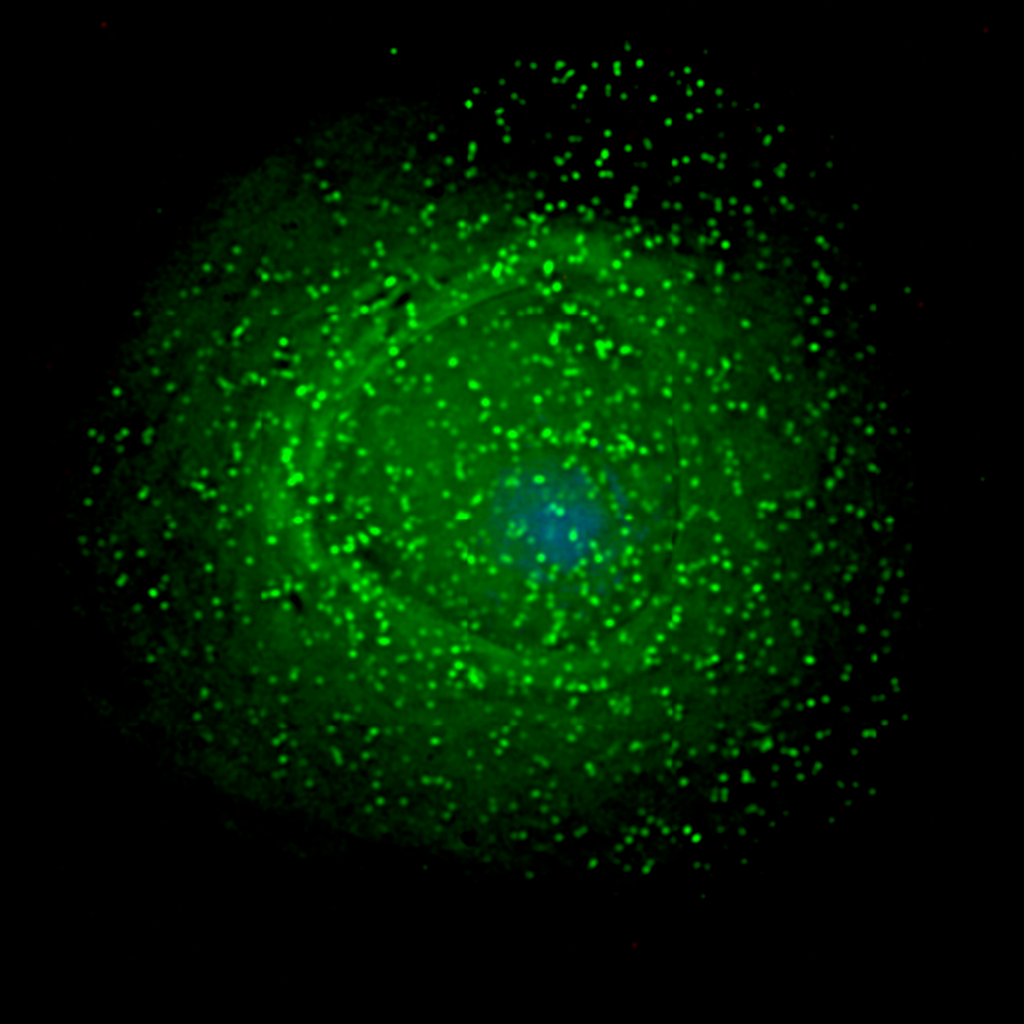
The team reported that human immune cells treated in the lab with bacterial lipopolysaccharide, a bacterial product, and Mycobacterium tuberculosis, the bacteria that cause TB, became immune tolerant.
They also found that patients diagnosed with both sepsis and TB have increased TCA activation, which correlates with DNA methylation. When TB patients were given the standard care of therapy and antibiotics, plus everolimus, an inhibitor of TCA activation, the damaging methylation changes to their DNA were reduced, which suggests that it can help restore the immune system after severe infections.
“Tuberculosis is an interesting disease. By the time a person is diagnosed, they have had symptoms for over three months. But seeing that adding everolimus to standard TB antibiotic treatment reduces the number of detrimental DNA methylation marks six months into the disease is promising that we can induce epigenetic healing,” DiNardo said.
“What we found is going to lead to a paradigm shift,” said Dr. Cristian Coarfa, co-author and associate professor of molecular and cellular biology at Baylor. “Our approaches are not limited to tuberculosis. The evidence we have and what we are trying to build on suggests that these strategies might play a role in other infectious diseases.”
The next step for the researchers is to identify which post-TB epigenetic marks are leading to increased morbidity and mortality. From there, they would like to determine which individuals would benefit the most from a host-directed therapy that can heal epigenetic scars.



Leave a Reply