In early August, farmworkers gathered under a pavilion at a park here for a picnic to celebrate Farmworker Appreciation Day. One sign that this year was different from the others was the menu: Beef fajitas, tortillas, pico de gallo, chips, beans — but no chicken.
Farms in Colorado had culled millions of chickens in recent months to stem the transmission of bird flu. Organizers filled out the spread with hot dogs.
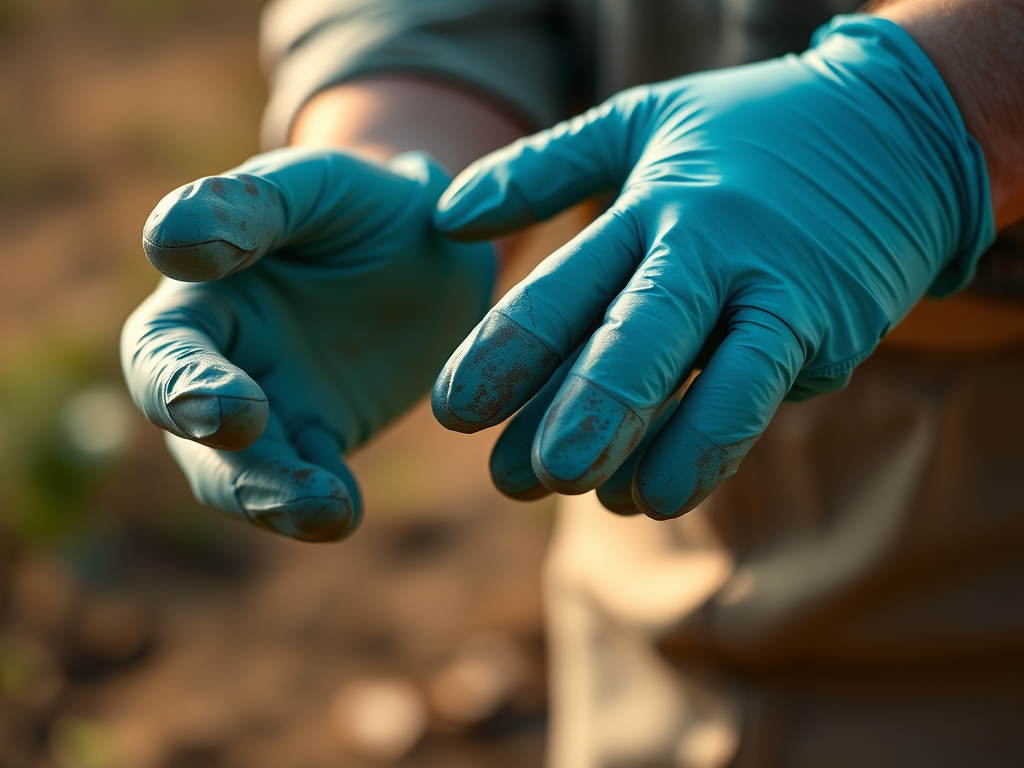
No matter the menu, some dairy workers at the event said they don’t exactly feel appreciated. They said they haven’t received any personal protective equipment beyond gloves to guard against the virus, even as they or colleagues have come down with conjunctivitis and flu-like symptoms that they fear to be bird flu.
“They should give us something more,” one dairy worker from Larimer County said in Spanish. He spoke on the condition of anonymity out of fear he’d lose his job for speaking out. “What if something happens to us? They act as if nothing is wrong.”
Agricultural health and safety experts have been trying to get the word out about how to protect against bird flu, including through bilingual videos on TikTok showing the proper way to gear up with respirators, eye protection, gloves, and coveralls. And Colorado’s health and agriculture departments have offered a free month’s supply of protective equipment to any producer who requests it.
But so far, many farms aren’t taking them up on it: According to numbers provided by the state health department in late August, fewer than 13% of the state’s dairies had requested and received such PPE.
Sign up for the Daily Dose Newsletter and get every morning’s best science news from around the web delivered straight to your inbox? It’s easy like Sunday morning.
The virus is known to infect mammals — from skunks, bears, and cows to people and house pets. It began showing up in dairy cattle in recent months, and Colorado has been in the thick of it. Ten of the 13 confirmed human cases in the U.S. this year have occurred in Colorado, where it continues to circulate among dairy cows. It isn’t a risk in cooked meat or pasteurized milk but is risky for those who come into contact with infected animals or raw milk.
Weld County, where the farmworker event was held, is one of the nation’s top milk producers, supplying enough milk each month this year to fill about 45 Olympic-size swimming pools, according to U.S. Department of Agriculture data. Neighboring counties are notable producers, too.
Concerns are growing about undiagnosed illness among farmworkers because of a lack of testing and safety precautions. One reason for concern: Bird flu and seasonal flu are capable of gene trading, so if they ended up in the same body at the same time, bird flu might end up with genes that boost its contagiousness. The virus doesn’t appear to be spreading easily between people yet. That could change, and if people aren’t being tested then health officials may be slow to notice.
Strains of seasonal flu already kill some 47,000 people in the U.S. a year. Public health officials fear the havoc a new form of the flu could wreak if it spreads among people.
The Centers for Disease Control and Prevention recommends that dairy workers don a respirator and goggles or a face shield, among other protections, whether they are working with sick animals or not.
A recent study found that not all infected cows show symptoms, so workers could be interacting with contagious animals without realizing it. Even when it is known that animals are infected, farmworkers often still have to get in close contact with them, sometimes under grueling conditions, such as during a recent heat wave when Colorado poultry workers collected hundreds of chickens by hand for culling because of the outbreak. At least six of the workers became infected with bird flu.
One dairy worker in Weld County, who spoke on the condition of anonymity for fear of losing his job, said his employer has not offered any protective equipment beyond gloves, even though he works with sick cows and raw milk.
His bosses asked the workers to separate sick cows from the others after some cows produced less milk, lost weight, and showed signs of weakness, he said. But the employer didn’t say anything about the bird flu, he said, or suggest they take any precautions for their own safety.
He said he bought protective goggles for himself at Walmart when his eyes became itchy and red earlier this summer. He recalled experiencing dizziness, headaches, and low appetite around the same time. But he self-medicated and pushed through, without missing work or going to a doctor.
“We need to protect ourselves because you never know,” he said in Spanish. “I tell my wife and son that the cows are sick, and she tells me to leave, but it will be the same wherever I go.”
He said he’d heard that his employers were unsympathetic when a colleague approached them about feeling ill. He’d even seen someone affiliated with management remove a flyer about how people can protect themselves from the bird flu and throw it in a bin.
The dairy worker in neighboring Larimer County said he, too, has had just gloves as protection, even when he has worked with sick animals — close enough for saliva to wipe off on him. He started working with them when a colleague missed work because of his flu-like symptoms: fever, headache, and red eyes.
“I only wear latex gloves,” he said. “And I see that those who work with the cows that are sick also only wear gloves.”
He said he doesn’t have time to wash his hands at work but puts on hand sanitizer before going home and takes a shower once he arrives. He has not had symptoms of infection.
Such accounts from dairy workers echo those from farmworkers in Texas, as reported by KFF Health News in July.
“Employers who are being proactive and providing PPE seem to be in the minority in most states,” said Bethany Boggess Alcauter with the National Center for Farmworker Health, a not-for-profit organization based in Texas that advocates for improving the health of farmworkers and their families. “Farmworkers are getting very little information.”
But Zach Riley, CEO of the Colorado Livestock Association, said he thinks such scenarios are the exception, not the rule.
“You would be hard-pressed to find a dairy operation that isn’t providing that PPE,” he said. Riley said dairies typically have a stockpile of PPE ready to go for situations like this and that, if they don’t, it’s easily accessed through the state. “All you have to do is ask.”
Producers are highly motivated to keep infections down, he said, because “milk is their life source.” He said he has heard from some producers that “their family members who work on the farm are doing 18-to 20-hour days just to try to stay ahead of it, so that they’re the first line between everything, to protect their employees.”
Colorado’s health department is advertising a hotline that ill dairy workers can call for help getting a flu test and medicine.
Project Protect Food Systems Workers, an organization that emerged early in the covid-19 pandemic to promote farmworker health across Colorado, is distributing PPE it received from the state so promotoras — health workers who are part of the community they serve — can distribute masks and other protections directly to workers if employers aren’t giving them out.
Promotora Tomasa Rodriguez said workers “see it as another virus, another covid, but it is because they don’t have enough information.”
She has been passing out flyers about symptoms and protective measures, but she can’t access many dairies. “And in some instances,” she said, “a lot of these workers don’t know how to read, so the flyers are not reaching them, and then the employers are not doing any kind of talks or trainings.”
The CDC’s Nirav Shah said during an Aug. 13 call with journalists that awareness about bird flu among dairy workers isn’t as high as officials would like it to be, despite months of campaigns on social media and the radio.
“There’s a road ahead of us that we still need to go down to get awareness on par with, say, what it might be in the poultry world,” he said. “We’re using every single messenger that we can.”
KFF Health News correspondents Vanessa G. Sánchez and Amy Maxmen contributed to this report.
This article originally appeared in KFF Health News. Healthbeat is a nonprofit newsroom covering public health published by Civic News Company and KFF Health News. Sign up for their newsletters here.
WORDS: Rae Ellen Bichell: rbichell@kff.org, @raelnb
If you enjoy the content we create and would like to support us, please consider becoming a patron on Patreon! By joining our community, you’ll gain access to exclusive perks such as early access to our latest content, behind-the-scenes updates, and the ability to submit questions and suggest topics for us to cover. Your support will enable us to continue creating high-quality content and reach a wider audience.
Join us on Patreon today and let’s work together to create more amazing content! https://www.patreon.com/ScientificInquirer

.jpg)


Leave a Reply