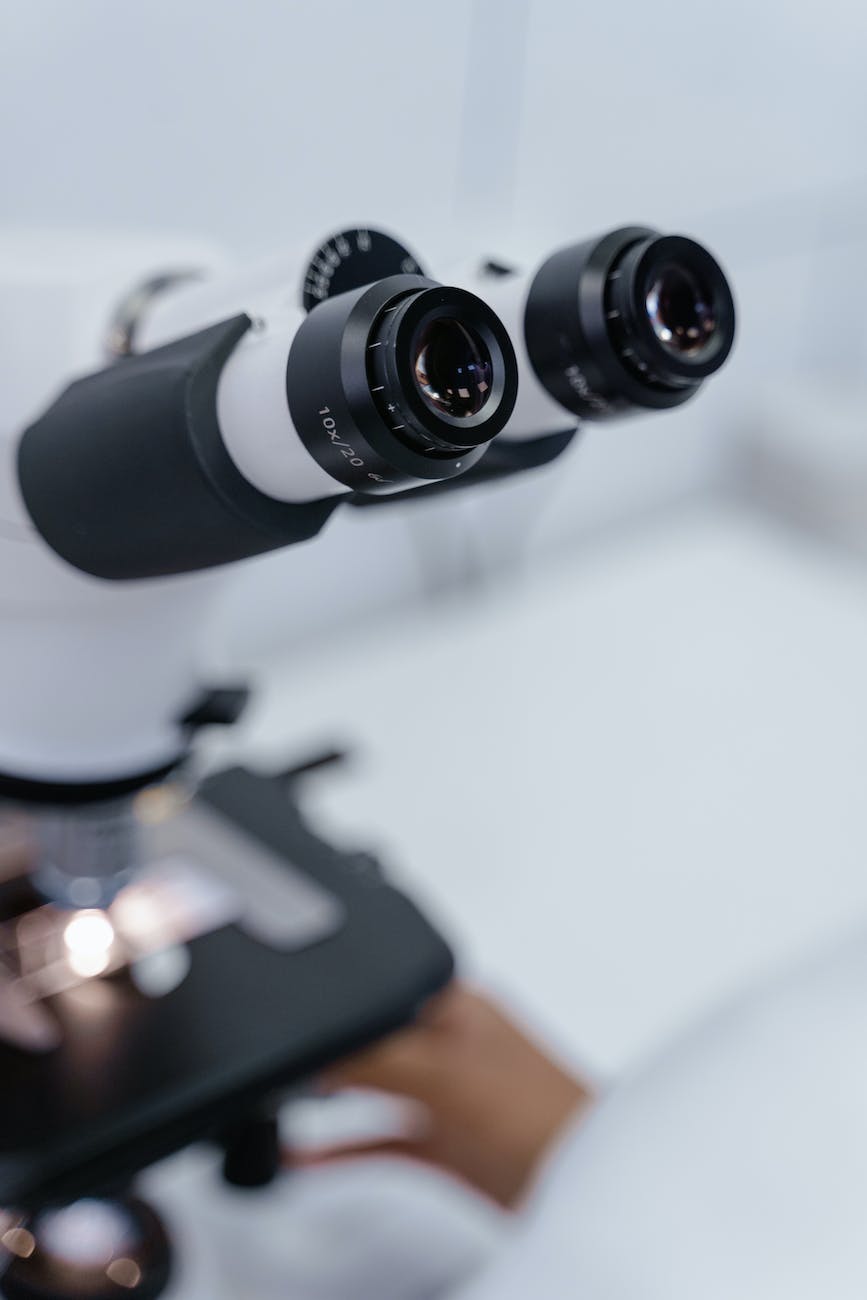
Not all bacteria are created equal.
Most are single-celled and tiny, a few ten-thousandths of a centimeter long. But bacteria of the Epulopiscium family are large enough to be seen with the naked eye and 1 million times the volume of their better-known cousins, E. coli.
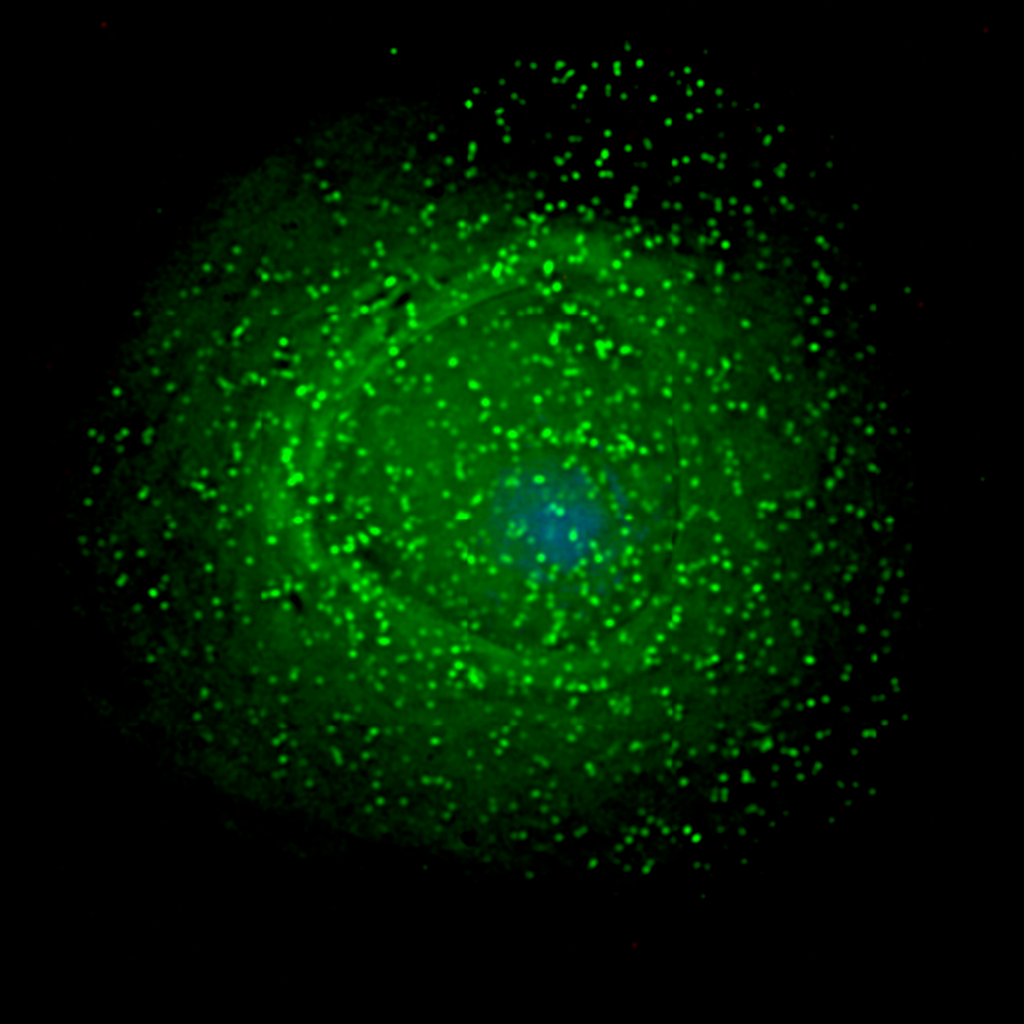
In a study published Dec. 18 in Proceedings of the National Academy of Sciences, researchers from Cornell and Lawrence Berkeley National Laboratory have for the first time described the full genome of one species of the family of giants, which they’ve named Epulopiscium viviparus.
“This incredible giant bacterium is unique and interesting in so many ways: its enormous size, its mode of reproduction, the methods by which it meets its metabolic needs and more,” said Esther Angert, professor of microbiology in the College of Agriculture and Life Sciences, and corresponding author of the study. “Revealing the genomic potential of this organism just kind of blew our minds.”

The first member of the Epulopiscium family was discovered in 1985. All members of the species live symbiotically within the intestinal tracts of certain surgeonfish in tropical marine coral reef environments, such as the Great Barrier Reef and in the Red Sea.
Because of its gargantuan size, scientists initially believed it was some distinct type of protozoan, Angert said. The name Epulopiscium comes from the Latin roots epulo, meaning “a guest,” and piscium, “of a fish.” While most bacteria reproduce by dividing themselves in half to create two offspring, E. viviparus create as many as 12 copies of themselves, which grow inside a parent cell and then get released, “active and swimming – viviparus means ‘live birth,’” Angert said.
Studying these giant bacteria requires capturing the fish in which they live and preserving the cells or extracting DNA and RNA as quickly and carefully as possible, said Angert, who for decades has collaborated with fish biologists at Lizard Island Research Station in Australia to collect and study samples.
The researchers were especially interested to learn how E. viviparus fuels its extreme metabolic needs. Bacteria that feed off nutrients in their environment, rather than creating their own energy from sunlight, generally fall into two camps: those that have access to oxygen and those that don’t. Without oxygen, bacteria often use fermentation to extract energy, and “fermenting organisms just don’t get as much bang for the buck from nutrients,” Angert said.
Seeing that E. viviparus is indeed a fermenter just made the puzzle larger, as its huge size, extreme reproduction and ability to swim would all require more energy, not less.
The researchers discovered that E. viviparus has modified its metabolism to make the most of its environment, by using a rare method to make energy and to move (the same swimming method is used by the bacteria that cause cholera), and by devoting a huge portion of its genetic code to making enzymes that can harvest the nutrients available in its host’s gut. Among the most highly produced enzymes are those used to make ATP, the energy currency of all cells. A highly folded membrane that runs along the outer edge of E. viviparus provides important space for the energy-producing and -transporting proteins, with some surprising similarities to how mitochondria function in the cells of more complex organisms, Angert said.
This basic research has a host of potential future applications, particularly as E. viviparus has such effective strategies to make use of the nutrients found in algae, Angert said. Algae is a growing target for livestock feeds, renewable energy and human nutrition, since its growth doesn’t compete with land-based agriculture.
First author of the study is David Sannino, Ph.D. ’17, a former postdoctoral associate in Angert’s lab. Other co-authors are Francine Arroyo, Ph.D. ’19 and former postdoctoral researchers Charles Pepe-Ranney and Wenbo Chen; and Jean-Marie Volland and Nathalie Elisabeth, both with Lawrence Berkeley National Laboratory.
This research was supported by the National Science Foundation and the Department of Energy.
IMAGE CREDIT: (ENTER NAMES)
Sign up for the Daily Dose Newsletter and get the morning’s best science news from around the web delivered straight to your inbox? It’s easy like Sunday morning.

Leave a Reply