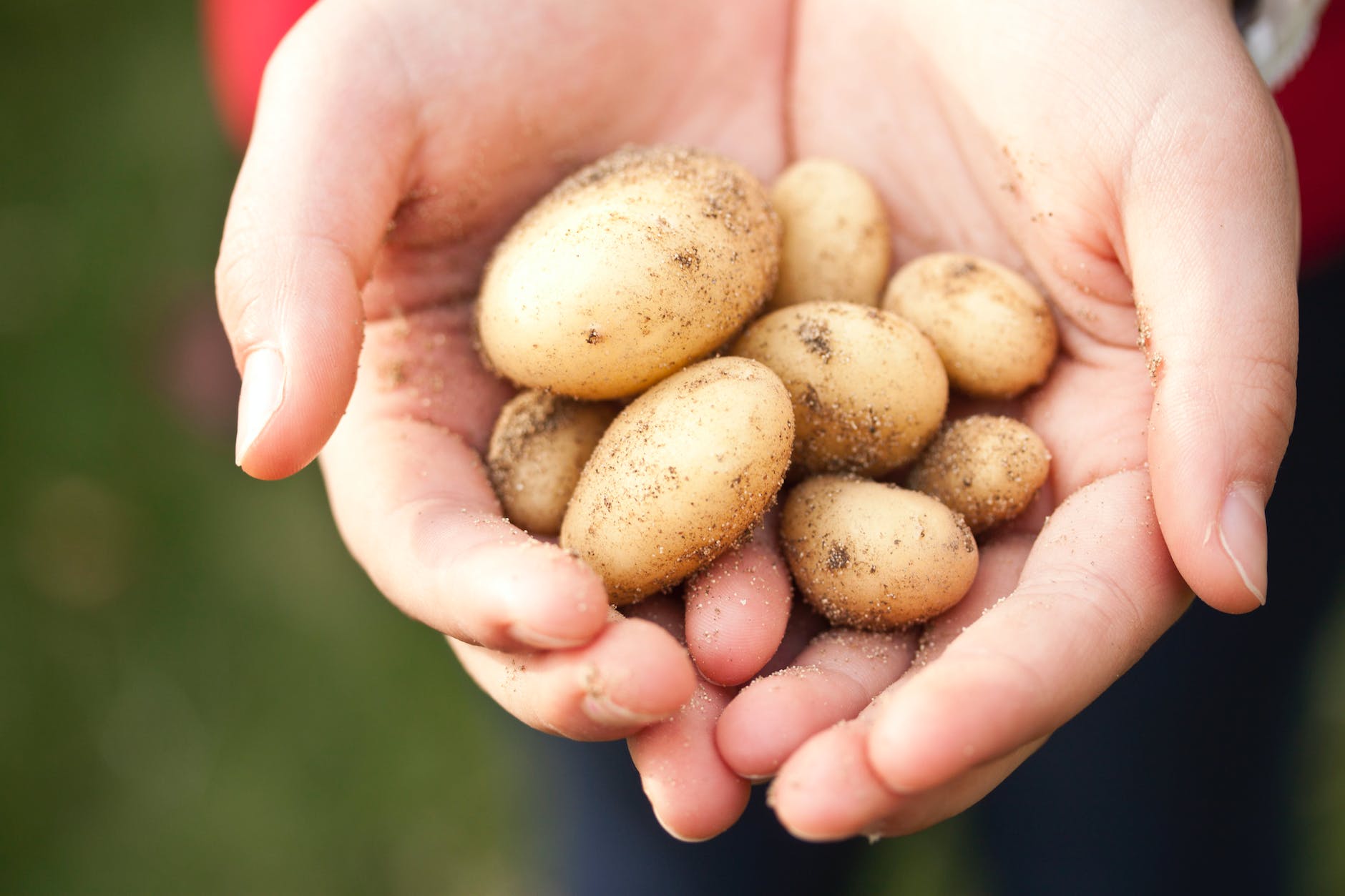
As climate change continues to pose severe challenges to ensuring sustainable food supplies around the world, scientists from McGill University are looking for ways to improve the resilience and nutritional quality of potatoes. Professor Martina Strömvik and her team have created a potato super pangenome to identify genetic traits that can help produce the next super spud.
“Our super pangenome sheds light on the potato’s genetic diversity and what kinds of genetic traits could potentially be bred into our modern-day crop to make it better,” says Professor Strömvik, who collaborated with researchers across Canada, the Unites States and Peru. “It represents 60 species and is the most extensive collection of genome sequence data for the potato and its relatives to date,” she adds.
A genome is an organism’s complete set of genetic instructions known as the DNA sequence, while a pangenome aims to capture the complete genetic diversity within a species, and a super pangenome also includes multiple species.

The potato is a staple food source for many people around the world – and it’s one of the most important food crops globally, after rice and wheat in terms of human consumption. “Wild potato species can teach us a lot about what genetic traits are critical in adapting to climate change and extreme weather, enhancing nutritional quality, and improving food security,” says Professor Strömvik.
To build the potato pangenome, the researchers used supercomputers to crunch data from public databanks, including gene banks in Canada, the United States, and Peru.
According to the researchers, the pangenome can be used to answer many questions about the evolution of this important crop that was domesticated by Indigenous peoples in the mountains of southern Peru nearly 10,000 years ago. It could also be used to help identify specific genes to create a super spud using traditional breeding or gene editing technology.
“Scientists hope to develop something that can defend against various forms of diseases and better withstand extreme weather like lots of rain, frost, or a drought,” says Professor Strömvik.
IMAGE CREDIT: R Khalil.
Sign up for the Daily Dose Newsletter and get the morning’s best science news from around the web delivered straight to your inbox? It’s easy like Sunday morning.


Leave a Reply