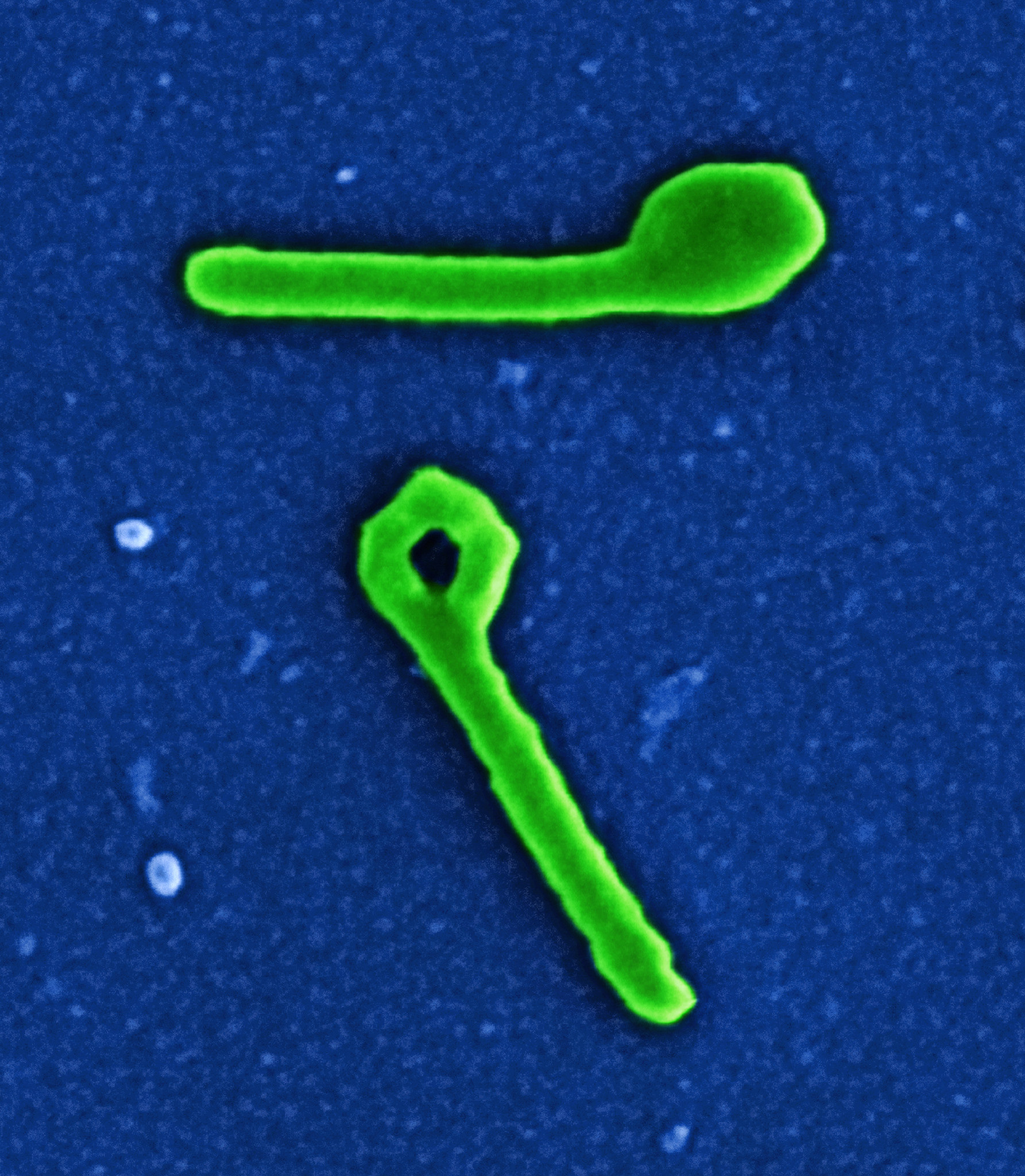
Rare Ebola Strain Sparks Regional Alarm: A new Ebola outbreak in the Democratic Republic of the Congo has triggered unusual concern because of its scale, location, and viral species. Health officials reported 246 suspected cases and 80 deaths in Ituri province, with confirmed cases also appearing in Kampala, Uganda. WHO declared a Public Health Emergency of International Concern on May 17, warning of significant regional spread. The outbreak involves Ebola Bundibugyo, a rare species that standard field tests can miss and for which no licensed vaccine or treatment exists. Early infections among nurses suggest health care transmission, while porous borders, population movement, and armed conflict could complicate containment. Experts say the DRC has deep Ebola experience, but this outbreak may severely test global health security systems. (Science)
Multivitamins May Nudge Biological Aging in the Right Direction: A randomized clinical-trial analysis from the COSMOS study suggests daily multivitamin use may modestly slow biological aging in older adults. Researchers examined DNA methylation data from 958 healthy participants, average age 70, and compared five epigenetic clocks over one and two years. Participants assigned to multivitamins showed slower biological aging across all five measures, with two mortality-linked clocks reaching statistical significance. The estimated effect was roughly four fewer months of biological aging over two years, strongest among people whose biological age was already ahead of chronological age. The finding is not a longevity guarantee, but it adds a molecular layer to earlier COSMOS reports linking multivitamins with cognition and disease outcomes. (ScienceDaily)
Old Blood Stem Cells Made Young Again in Mice: Mount Sinai researchers report that aged blood-forming stem cells in mice can regain youthful function when overactive lysosomes are calmed. Hematopoietic stem cells normally replenish blood and immune cells, but aging weakens their regenerative capacity and contributes to inflammation, infection vulnerability, and blood-cancer risk. The team found that aged stem-cell lysosomes become overly acidic, damaged, and hyperactive, disrupting metabolism and epigenetic stability. Blocking that excess activity restored healthier lysosome function, improved mitochondrial performance, reduced inflammatory signaling, and produced more balanced blood and immune cells. Treated old stem cells also showed an eightfold boost in blood-forming ability after transplantation. The work points to lysosomal activity as a potentially targetable driver of stem-cell aging. (ScienceDaily)
Breast Tumors Use Epigenetic Camouflage to Evade Immunity: An international team led by the University of Liège and Dana-Farber has described how whole-genome doubling can help breast cancer cells hide from immune attack. Genome doubling is common in solid tumors and especially frequent in metastases, but its role in treatment resistance has been hard to pin down. The new study shows that genome-doubled tumor cells can silence genes needed for antigen presentation, making them less visible to CD8+ T cells. The camouflage is not caused by DNA mutation but by epigenetic repression linked to metabolic changes and PRC2 activity. Because epigenetic changes can be reversible, the researchers suggest PRC2-targeting strategies could help restore immune recognition and improve immunotherapy responses. (EurekAlert!)
DNA-Guided CRISPR Opens a New Route to RNA Editing: University of Florida engineers have reported a CRISPR system that uses DNA, rather than RNA, to guide enzymes toward RNA targets. The work, now published in Nature Biotechnology, challenges a core assumption of CRISPR design: that RNA guides are required for programmable targeting. The platform, described as DNA-guided CRISPR–Cas12 for cellular RNA targeting, could make some diagnostic and therapeutic applications more stable, precise, and affordable. RNA editing is attractive because it can alter disease-relevant messages without permanently changing genomic DNA. The approach is still early, but it points toward tools that could control gene expression at the RNA level, expanding the biotechnology toolkit beyond conventional genome editing. (EurekAlert!)
RNA Molecules Reveal Their Shape One at a Time: Scientists at A*STAR Genome Institute of Singapore have developed sm-PORE-cupine, a method for studying the structure of individual RNA molecules across biological samples. RNA is often treated as a messenger between DNA and protein, but its folded shape influences stability, protein production, viral function, and gene regulation. Existing methods tend to average signals across many molecules, masking differences between RNAs from the same gene. The new technique combines chemical labeling with direct RNA sequencing, allowing researchers to detect structural differences at single-molecule resolution. The work could help identify RNA-based drug targets, improve antiviral and antifungal research, and deepen understanding of how RNA structure contributes to disease. (EurekAlert!)
Microbe Cities May Explain a Carbon-Cycle Mystery: Scientific American reports on a study identifying dense microbial communities inside “marine snow” as a likely culprit in a long-standing ocean carbon puzzle. Marine snow—dead plankton shells, fish waste, dust, and other sinking particles—helps carry carbon to the deep ocean. But some calcite shells dissolve before reaching the seafloor, releasing carbon dioxide and weakening that storage pathway. Researchers found that microbe “cities” embedded in these particles can create chemical conditions that dissolve calcite. The finding matters because microbial activity at microscopic scales can influence planetary carbon storage. It also complicates climate models by showing that the fate of sinking carbon depends not only on physics but on tiny biological neighborhoods. (Scientific American)
Drug Manufacturing in Orbit Gets a Commercial Push: Varda Space Industries is pushing forward with plans to develop drug-related materials in microgravity, Scientific American reports. The company announced a partnership with United Therapeutics, which develops treatments for rare respiratory diseases and transplant medicine. Varda argues that certain small molecules and drug crystals can form differently in orbit, potentially producing larger, more uniform, or more useful crystal structures than are possible on Earth. Those properties could affect solubility, dosing, manufacturing, and delivery. The approach remains expensive and technically demanding, but if it works, it could make pharmaceuticals one of the first serious markets for in-space manufacturing. The story is part biotech, part space economy, and part materials science. (Scientific American)
Thinking Machines Pitches AI That Keeps Humans Central: Mira Murati’s Thinking Machines Lab is positioning itself against fully automated visions of artificial intelligence, according to WIRED. Murati, formerly OpenAI’s CTO, says the company is pursuing powerful AI systems that keep people “in the loop” rather than replacing them. Thinking Machines has previewed “interaction models” trained to understand continuous human communication through camera and microphone input, including pauses, interruptions, tone shifts, and clarifications. The models are not yet public, but the company says they could support more natural collaboration than standard chatbot-style interfaces. The framing is important because AI labs are increasingly judged not just by raw model capability but by whether their systems amplify human agency or concentrate decision-making power. (WIRED)
Hantavirus Outbreak Monitoring Continues, but Public Risk Is Low: CIDRAP reports that CDC officials are monitoring passengers from the MV Hondius after a hantavirus outbreak linked to the cruise ship. Officials said about 100 CDC personnel are involved in the response and emphasized that the general public risk remains low. The outbreak stood at 11 cases, nine confirmed, and passengers were being monitored for a 42-day period beginning May 11. CDC officials stressed that hantavirus is not like COVID-19 and that person-to-person transmission is rare, though some experts point to previous Andes virus outbreaks where transmission appeared more significant. The episode is a reminder that rare zoonotic threats can become operationally complex when they intersect with travel, quarantine, and international response. (CIDRAP)
Rubin Observatory Opens the Era of Big-Data Astronomy: Quanta reports that the Vera C. Rubin Observatory is already delivering early results as astronomers prepare for a decade-long flood of sky-survey data. Rubin will repeatedly image the Southern Hemisphere sky, creating the world’s largest time-lapse movie of the universe. In its first year alone, scientists expect it to find roughly one million previously unknown asteroids, along with comets, stars, galaxies, and explosive transients. Early data have already revealed rapidly spinning asteroids and other targets of interest, even before the observatory reaches full operational sharpness. The challenge will be as much computational as observational: Rubin will generate so many alerts that astronomy must become a real-time data science discipline. (quantamagazine.org)
Spinach-Powered Cells Offer a New Dry Eye Strategy: Scientists have engineered mouse and human cells to use spinach-derived photosynthetic structures as a possible treatment for dry eye. The team isolated intact thylakoids, the light-capturing machinery inside chloroplasts, and packaged them into particles called LEAF. Instead of making food, the modified cells used light reactions to boost molecules such as NADPH and ATP, which may reduce inflammation, oxidative stress, or energy deficits in damaged eye tissue. In lab tests, LEAF helped mouse and human corneal cells recover NADPH and shift gene activity toward anti-inflammatory and antioxidant responses. In mice with chemically induced dry eye, LEAF eye drops increased tear production and restored corneal thickness. Researchers are now exploring clinical trials, though long-term safety and effectiveness remain unknown. (Science)

COPY II (2-3 PARAGRAPHS)
IMAGE CREDIT: NASA.




Leave a Reply