A study of 14 astronauts suggests that while space travel depletes red blood cells and bone, the body can eventually replenish them back on Earth with the help of fat stored in the bone marrow. The study, published in Nature Communications, has important implications for health in space and on Earth.
“We found that astronauts had significantly less fat in their bone marrow about a month after returning to Earth,” said senior study author Dr. Guy Trudel, a rehabilitation physician and researcher at The Ottawa Hospital and professor at the University of Ottawa. “We think the body is using this fat to help replace red blood cells and rebuild bone that has been lost during space travel.”
This study builds on Dr. Trudel’s previous research which showed that during space travel, astronauts’ bodies destroyed 54 percent more red blood cells than they normally would on Earth, resulting in what is known as “space anemia.” This research is part of MARROW, a made-in-Ottawa experiment looking at bone marrow health and blood production in space, with funding from the Canadian Space Agency.

“Thankfully, anemia isn’t a problem in space when your body is weightless, but when landing on Earth and potentially on other planets or moons with gravity, anemia would affect energy, endurance, and strength and could threaten mission objectives,” said Dr. Trudel. “If we can find out exactly what’s controlling this anemia, we might be able to improve prevention and treatment.”
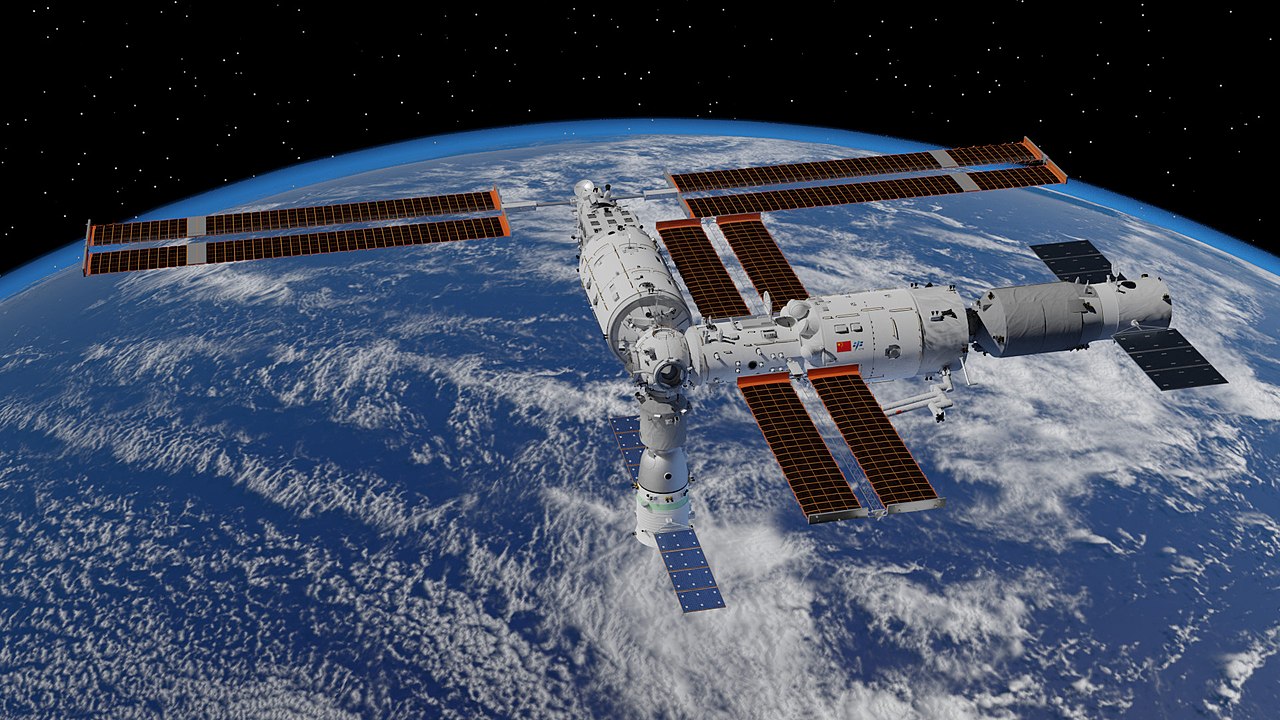
The new study involved MRI scans of the astronauts’ bone marrow at multiple time points before and after a six-month mission at the International Space Station. The researchers found a 4.2 percent decrease in bone marrow fat about a month after returning to Earth. This gradually returned to normal levels and was closely associated with increased production of red blood cells and restoration of bone.
“Since red blood cells are made in the bone marrow and bone cells surround the bone marrow, it makes sense that the body would use up the local bone marrow fat as a source of energy to fuel red blood cell and bone production,” said Dr. Trudel. “We look forward to investigating this further in various clinical conditions on Earth.”
The research also suggests that younger astronauts may have an increased ability to harness the energy from bone marrow fat, and that female astronauts’ bone marrow fat increased more than expected after a year.
As a rehabilitation physician, most of Dr. Trudel’s patients are anemic and have lost muscle and bone mass after being ill for a long time with limited mobility. Anemia hinders their ability to exercise and recover muscle and bone mass. “I’m hopeful that this research will help people recover from immobility on Earth as well as in space,” said Dr. Trudel. “Our research could also shed light on diseases such as osteoporosis, metabolic syndrome, aging and cancer, which are associated with increases in bone marrow fat.”
IMAGE CREDIT: NASA.
Sign up for the Daily Dose Newsletter and get the morning’s best science news from around the web delivered straight to your inbox? It’s easy like Sunday morning.




Leave a Reply