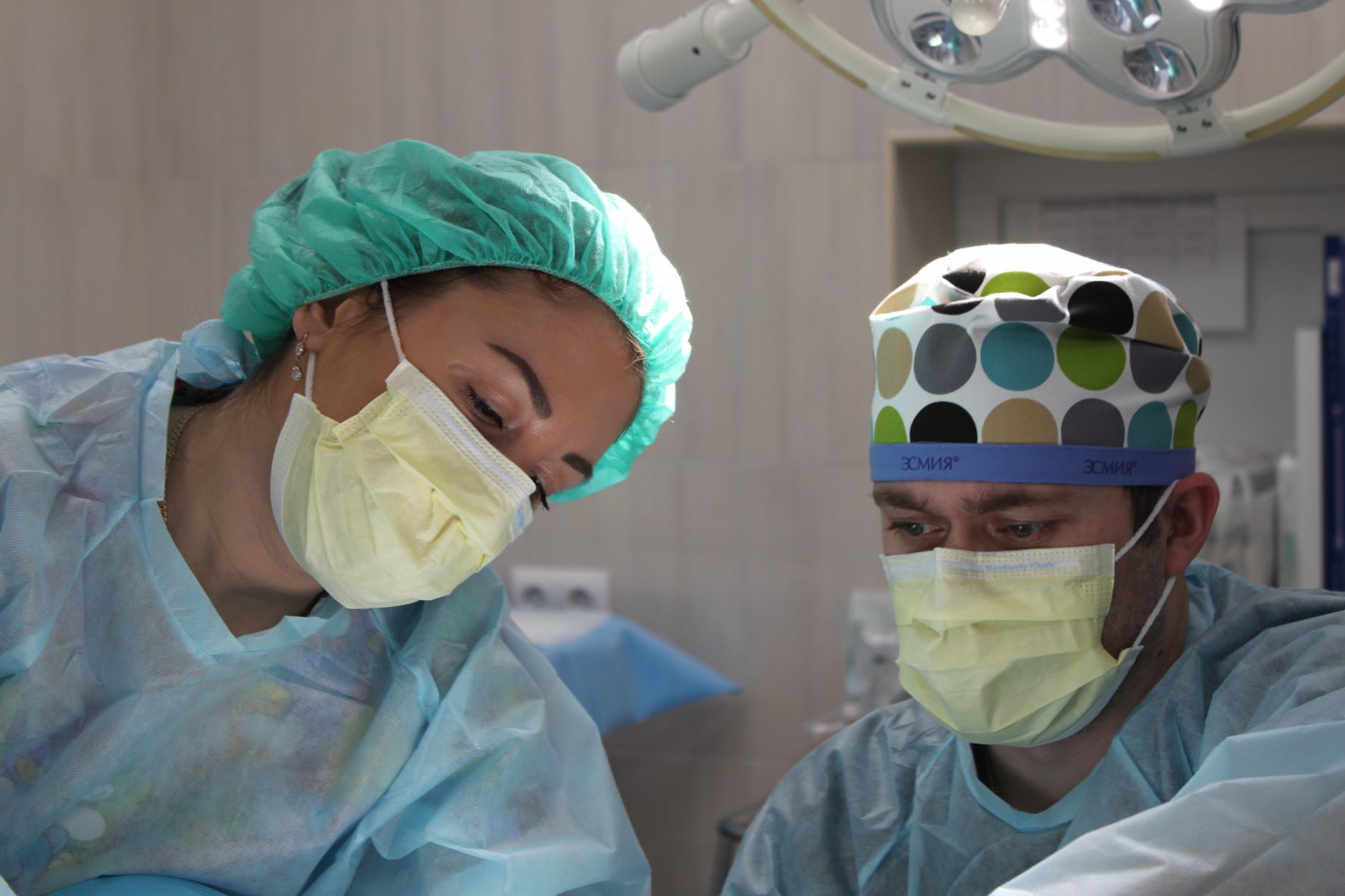
The first year of the COVID-19 pandemic saw fewer hospital visits for stroke, fewer stroke therapies, more treatment delays and a higher risk of in-hospital deaths in the subsequent COVID-19 waves, according to an Alberta study published in CMAJ (Canadian Medical Association Journal) https://www.cmaj.ca/lookup/doi/10.1503/cmaj.211003.

“It is unlikely that the observed reductions in patients presenting to hospital with stroke reflect true declines in stroke occurrence, and more likely that it reflects pandemic-related hospital avoidance, as reported for other emergencies,” writes Dr. Aravind Ganesh, University of Calgary, Calgary, Alberta, with coauthors.
Researchers looked at data on 19 531 patients in Alberta during the prepandemic period (January 1, 2016, to February 27, 2020) and 4900 patients across the five pandemic phases from February 28, 2020, to March 31, 2021. According to World Stroke Organization data, hospital visits and admissions for ischemic stroke decreased in Wave 1 compared with the prepandemic period, rebounded somewhat during the lull before Wave 2 and declined further in Wave 3. Treatments for stroke, such as thrombolysis and endovascular therapy, also declined compared with the prepandemic period.
As SARS-CoV-2 positivity is associated with subsequent cardiovascular issues, emergency departments would be expected to see more cases of heart disease and stroke in later waves.
“Especially during the second- and third-wave periods of our study, when COVID-19 cases surged, we expected to observe an increase in stroke presentations instead of declines,” the researchers write.
Study authors noted a substantial increase in out-of-hospital stroke deaths as a proportion of all stroke-related deaths in the province during the pandemic periods.
The study provides additional evidence of the pandemic’s effect on medical emergencies such as strokes. Data from Spain showed a decrease of 40% or more in admissions for myocardial infarction and stroke, and preliminary reports from Italy showed a 25% drop in admissions for stroke and a 14% drop in thrombolysis to treat stroke.
“We have shown not only that the early COVID-19 pandemic was associated with decline in presentations for ischemic stroke and use of acute therapies, even after adjustment for confounding variables, but that these problems persisted in later waves,” write the authors. “Importantly, the lower population-level incidence of thrombolysis and endovascular therapy appeared to reflect declines in stroke presentations rather than any therapeutic inertia.”
Public health messaging should encourage patients to seek care for emergencies, even during a pandemic.



Leave a Reply