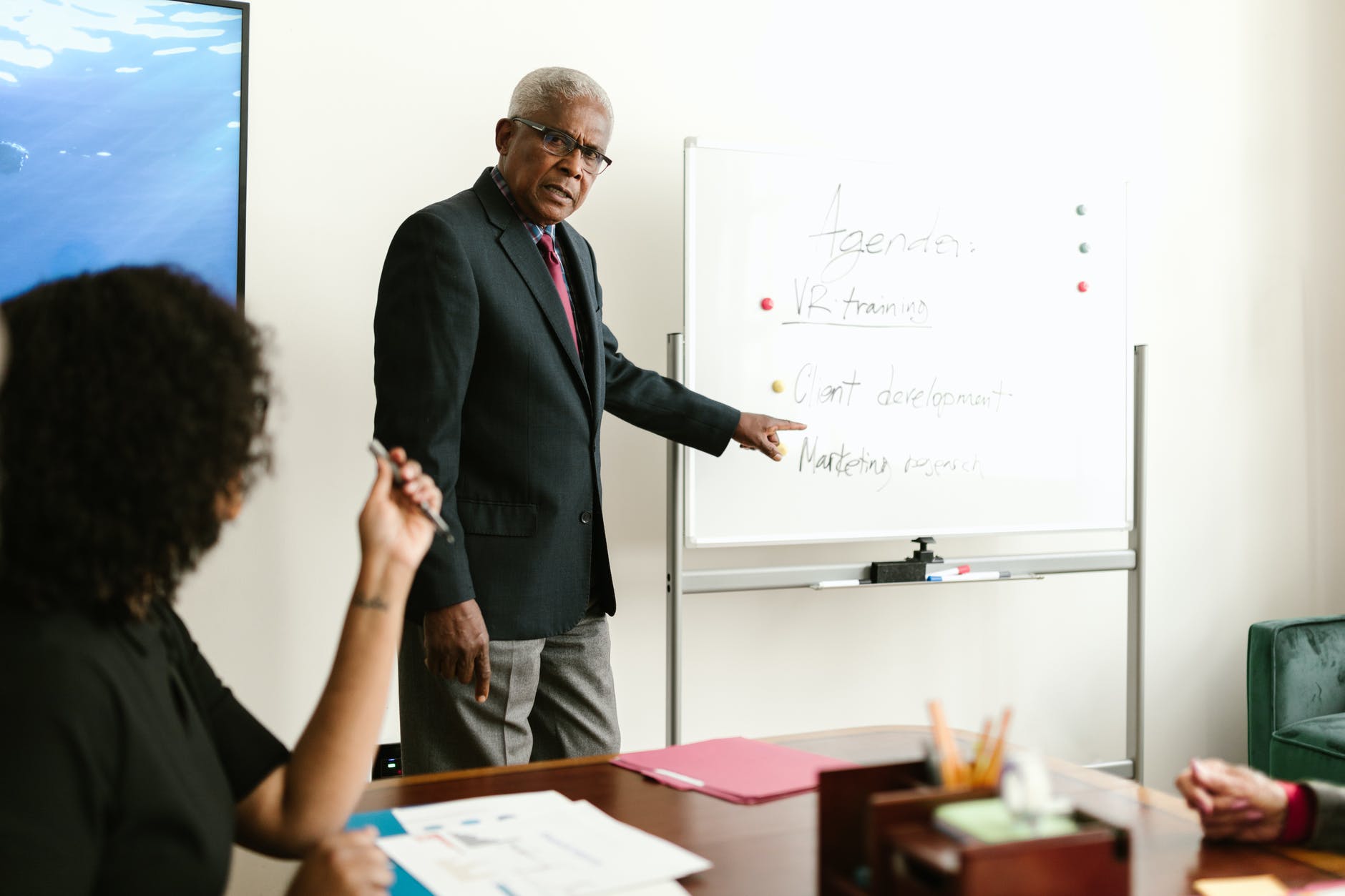
When a person tries to access a memory, their brain quickly sifts through everything stored in it to find the relevant information. But as we age, many of us have difficulty retrieving memories. In a review publishing in the journal Trends in Cognitive Sciences on February 11, researchers propose an explanation for why this might be happening: the brains of older adults allocate more space to accumulated knowledge and have more material to navigate when attempting to access memories. While this wealth of prior knowledge can make memory retrieval challenging, the researchers say it has its upsides—this life experience can aid with creativity and decision-making.

Researchers Tarek Amer (@tarekamerphd) of Columbia University and Harvard University, Jordana Wynn (@jordwynn) of Harvard University, and Lynn Hasher of the University of Toronto looked at several behavioral and neuroimaging studies, which show that older adults have difficulty suppressing information that is no longer relevant and that when searching for a specific memory, they often retrieve other, irrelevant memories along with it. The studies also showed that when given a cognitive task, older adults rely more heavily on previous knowledge than younger adults do.
While the researchers focus primarily on the difficulties that these cluttered memories may pose, they also highlight a few situations in which these crowded memoryscapes may be useful. “Evidence suggests that older adults show preserved, and at times enhanced, creativity as a function of enriched memories,” the researchers write. They further hypothesize that older adults may be well served by their prior knowledge when it comes to decision-making, where they can pull on their accumulated wisdom.
With continued study and increased understanding of how memory works in older adults, researchers are hopeful that they may be able to find new ways to help them. They write, “It is possible that the increased binding and richer encodings of older adults can even be leveraged to improve older adults’ learning and memory.”


Leave a Reply