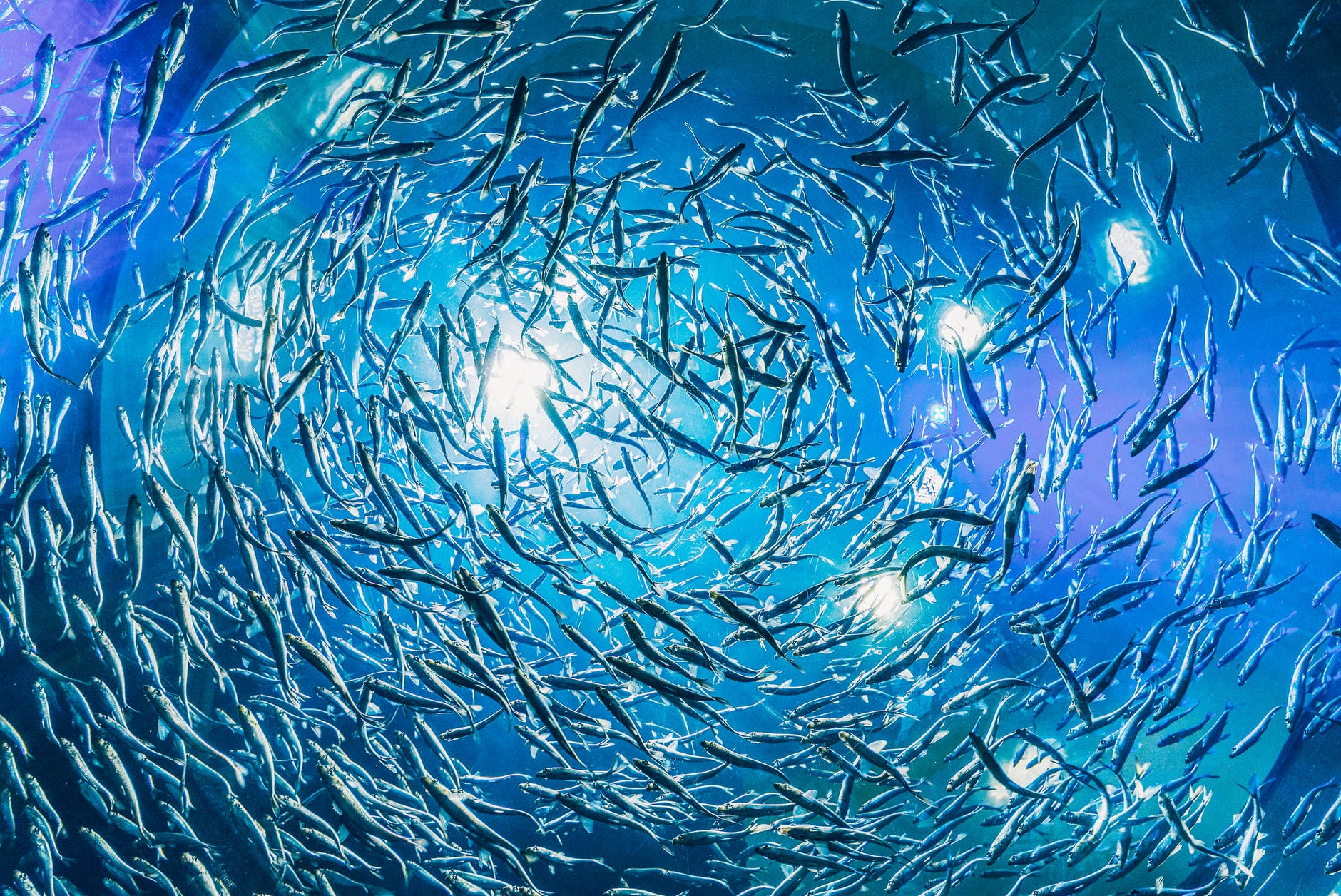
Research from the University of Adelaide has found that some species of fish will have higher reproductive capacity because of larger sex organs, under the more acidic oceans of the future.
Published in PLOS Biology, the researchers say that far from the negative effects expected under the elevated CO2 levels in our oceans predicted for the end of the century, these fish capitalise on changes to the underwater ecosystems to produce more sperm and eggs. They also look after them better, enhancing the chances of reproductive success.
“The warming oceans absorb about one-third of the additional CO2 being released into the atmosphere from carbon emissions, causing the oceans to acidify,” says lead author Professor Ivan Nagelkerken from the University’s Environment Institute and Southern Seas Ecology Laboratories.
“We know that many species are negatively affected in their behaviour and physiology by ocean acidification. But we found that in this species of temperate fish – the common triplefin – both males and females had larger gonads under conditions of ocean acidification. This meant increased egg and sperm production and therefore more offspring.”
The team used natural volcanic CO2 underwater seeps to compare ecosystems with the levels of CO2 that are predicted for the end of this century with fish communities living under today’s ‘normal’ levels of CO2.
They found that there were no negative effects of ocean acidification for the triplefins. The larger gonads did not come at a physiological cost.
“We found males were eating more. They showed intensified foraging on more abundant prey – which was more abundant because of the increased biomass of algae that grows under the elevated CO2,” says Professor Nagelkerken.
“The females, on the other hand, did not eat more. They instead reduced their activity levels to preserve energy and then invested this in larger ovaries.
“We also found there were more mature males under elevated CO2 and, in this species where it is the males that take care of the eggs, that means we have more parents nurturing the egg nests, which could increase offspring.”
The researchers found that other, less dominant, fish species did not show such an effect of reproductive output, perhaps due to their less competitive nature.
“We think it likely that the triplefin and similar species will do very well under increased ocean acidification,” says co-author Professor Sean Connell. “The study shows that some, more dominant, species will be able to capitalise on changes to ecosystems under ocean acidification, increasing their population.”




Leave a Reply