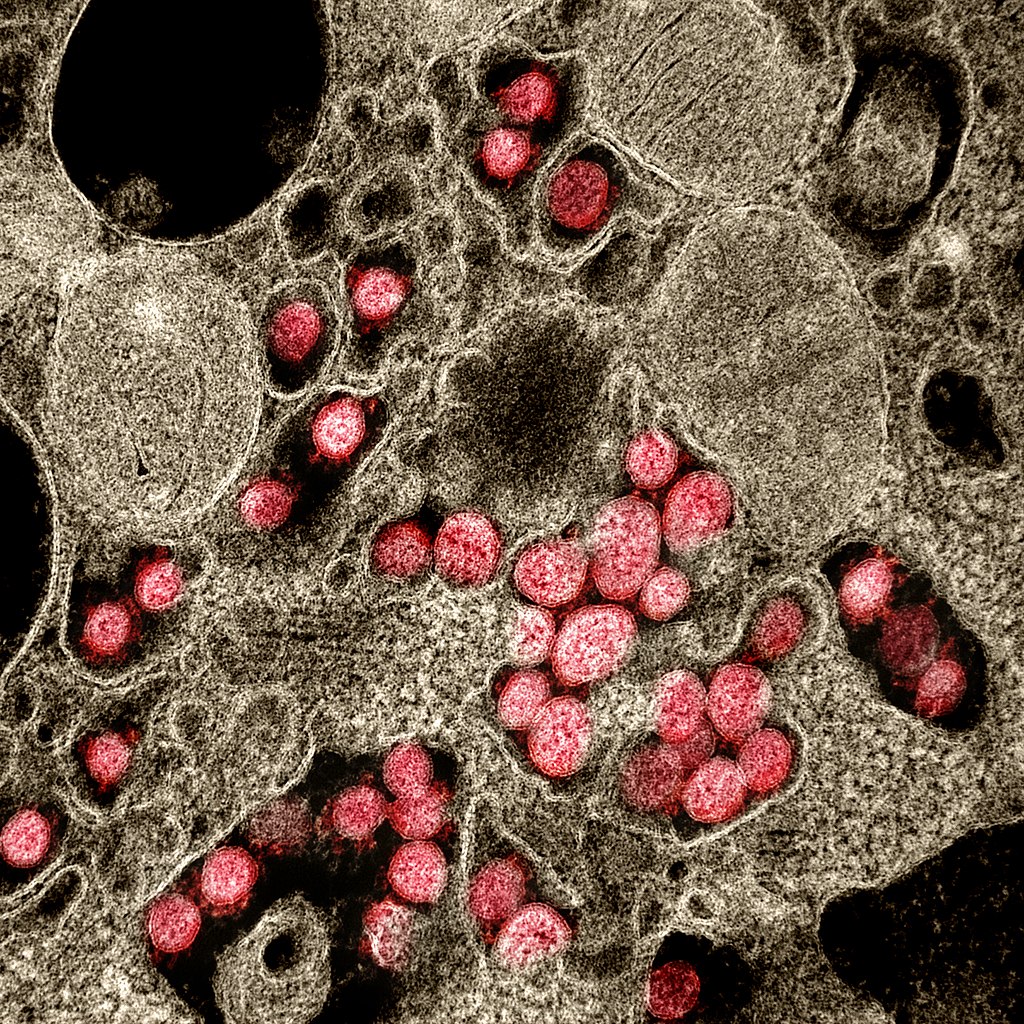
There’s an interesting thread in the story behind the emergence of the new COVID-19 strain that originated in the United Kingdom. Specifically, the role immunocompromised individuals may be playing the the spread and evolution of new SARS-CoV-2 strains. Per Science, “Scientists are still trying to figure out the effects of the mutations in B.1.1.7, whose emergence led the U.K. government to tighten coronavirus control measures and other countries in Europe to impose U.K. travel bans. But the new variant, along with research by Gupta and others, has also drawn attention to the potential role in COVID-19 of people with weakened immune systems. If they provide the virus with an opportunity to evolve lineages that spread faster, are more pathogenic, or elude vaccines, these chronic infections are not just dangerous for the patients, but might have the potential to alter the course of the pandemic.” The inability to clear virus from the body for extended durations that leads to successful mutations makes logical sense. We’ll see what further research indicates. https://bit.ly/2L612Mk
One of the completely unexpected side effects of the COVID-19 pandemic has been the spike in violent crime that has accompanied it. An article in the Associated Press takes a closer look at the phenomenon. “In Detroit, Chicago, New York, Philadelphia and even smaller Grand Rapids, Michigan, and Milwaukee, 2020 has been deadly not only because of the pandemic, but because gun violence is spiking. Authorities and some experts say there is no one clear-cut reason for the spike. They instead point to social and economic upheaval caused by the COVID-19 virus, public sentiment toward police following George Floyd’s death in Minneapolis police custody and a historic shortage of jobs and resources in poorer communities as contributing factors. It’s happening in cities large and small, Democrat and Republican-led.” Question is: would these spikes have occurred without the George Floyd protests? https://bit.ly/3mWeJur
Think fast-food to go is a modern phenomenon? Think again. A recent dig in Pompeii indicates that ancient Romans had a thing for it as well. Per the Associated Press, “A segment of the fast-food counter was partially dug up in 2019 during work to shore up Pompeii’s oft-crumbling ruins. Since then, archaeologists kept digging, revealing a multi-sided-counter, with typical wide holes inserted into its top. The countertop held deep vessels for hot foods, not unlike soup containers nestled into modern-day salad bars. Plant and animal specialists are still analyzing remains from the site, with its counter frescoed with a figure of an undersea nymph astride a horse. Images of two upside-down mallards and a rooster, whose plumage was painted with the typical vivid color known as Pompeiian red, also brightened the eatery and likely served to advertise the menu.” The more things change, the more they remain the same. https://bit.ly/2KyAVOc
Thanks for reading. Let’s be careful out there. We’re almost free from 2020’s grip.



Leave a Reply