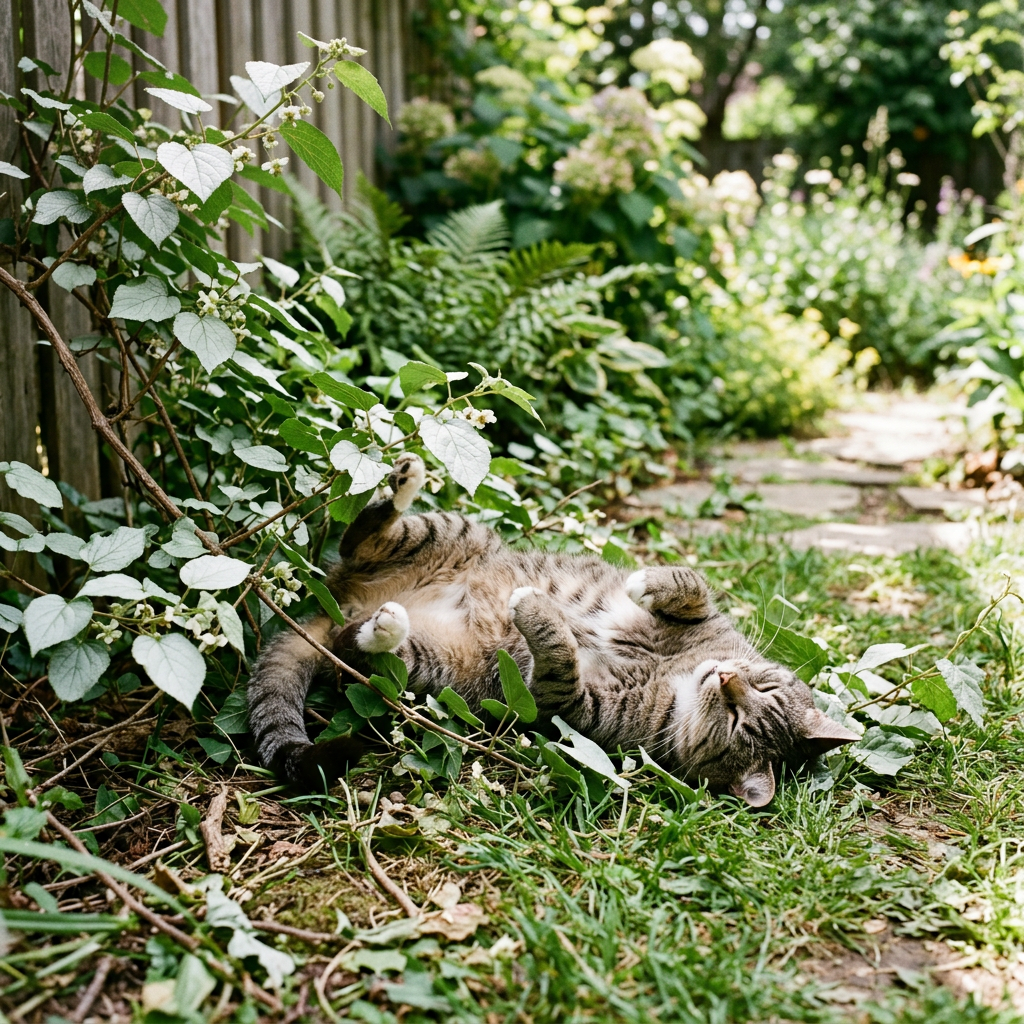
Most of 87 owners in Australia and New Zealand who moved outdoor cats indoors said the change was worthwhile, and more than two-thirds found it easier than they had feared.
For many cat owners, the idea of keeping a pet indoors full time raises worries. Will the cat be bored, frustrated or unhappy? A new study suggests those fears are often overblown.
Researchers at Adelaide University surveyed owners in Australia and New Zealand who had moved their cats from outdoor to indoor living. Most said the change was worthwhile, and more than two-thirds found it easier than they had expected. The results were published in Applied Animal Behaviour Science.
“Many people worry that keeping a cat indoors will be stressful for their cat, but our findings suggest that the transition was often easier than expected,” said Julia Henning, the study’s lead author.
Why owners made the move
The study surveyed 87 cat owners. Safety was the main reason they had brought their cats indoors. Owners cited risks from road traffic, attacks by other animals, disease, parasites and poisoning, along with concern for wildlife, especially birds.
Many transitions were not planned. Moves were often triggered by unexpected events such as an injury, an illness, a relocation or a sudden safety concern. More than one-third of owners had little or no time to prepare, and almost half made no preparations at all. Even so, most found the change easier than they had anticipated.
How the cats adjusted
About half of the cats adjusted within a matter of weeks, and younger cats generally adapted faster than older ones.
That younger cats adapted more quickly is consistent with what is known about feline behavior. Cats are most flexible during kittenhood and early adulthood, and older cats that have spent years following established outdoor routines may take longer to settle into new territories and habits.
The transition was not without problems. Owners reported more vocalizing, scratching at doors and windows, and signs of frustration, mostly in the early stages. They also worried about providing enough enrichment, keeping litter boxes clean and preventing weight gain.
“Owners certainly faced some challenges during the transition, particularly in the first few weeks, but most found these were temporary and that the long-term benefits far outweighed the difficulties,” Henning said.
After the move, owners said the safety gains that motivated them had materialized, and they reported greater peace of mind. They also described being able to monitor their cats’ health more closely, spending more quality time with them and forming closer bonds.
Costs and guilt
Keeping a cat indoors changed household budgets. Spending on food, litter and home modifications went up, but veterinary costs fell over time because the cats faced fewer injuries and health risks.
The emotional side was harder for some. Many owners felt guilty about restricting their cats’ freedom, and some worried their pets would be bored.
Susan Hazel, the study’s senior author, said those concerns highlight the need for support. “Keeping cats indoors offers significant benefits for their safety and welfare, but successful transitions depend on supporting owners as much as their cats,” she said.
“Our research shows that owners often need reassurance that the behaviours they see during the transition are temporary and that there are practical strategies – such as providing climbing spaces, scratching posts, toys and opportunities for play – that can help cats adapt successfully,” Hazel added.
Many owners turn to compromises that give cats some outdoor experience without the risks of free roaming. Enclosed outdoor runs, sometimes called catios, harness training and supervised time in the garden are increasingly common, and the researchers’ recommendations on enrichment apply to these setups as well.
A question with wildlife at stake
The findings carry particular weight in Australia and New Zealand, where introduced predators have devastated native wildlife. Free-roaming domestic and feral cats are estimated to kill hundreds of millions of native animals in Australia each year, and many local councils there now restrict when and where pet cats can roam. In New Zealand, where many native birds evolved without mammalian predators, the impact of cats has prompted similar debates.
Studies elsewhere have also found that indoor cats tend to live longer than cats allowed outdoors, largely because they avoid traffic, fights and infectious diseases. At the same time, animal welfare specialists emphasize that indoor cats need opportunities to climb, scratch, hunt toys and explore to stay physically and mentally healthy.
Limits and lessons
The study relied on owners’ own reports, which may be shaped by how they feel about their decision. Owners who had a difficult experience, or who returned their cats to outdoor living, may have been less likely to take part. And with 87 participants, the sample is modest.
The study also lacked a comparison group. It did not compare cats that were moved indoors with cats that remained outdoors, so it cannot show whether the welfare of the indoor cats improved overall, only how their owners experienced the transition.
Still, the researchers say the results point to a practical need. Because many transitions happen suddenly, they recommend that information and resources for owners be readily available, so people can help their cats adjust when circumstances force a change. The full research team included members from Companion Animals New Zealand, EthicoNZ Ltd and Navigate Welfare, and the work was funded by Companion Animals New Zealand and Healthy Pets New Zealand.
Notes
- “Owner-reported experiences of transitioning cats from outdoor to indoor living.” Applied Animal Behaviour Science, 4 July 2026. DOI: 10.1016/j.applanim.2026.107120.
- Adelaide University. “Keeping kitty indoors is not the cat-astrophe that owners fear.” EurekAlert!, 3 August 2026. https://www.eurekalert.org/news-releases/1138690.



Leave a Reply