A King’s College London meta-analysis of 63 studies and more than 265,000 people finds the association holds in the general population and among psychiatric patients.
As cannabis has moved from the shadows into licensed dispensaries across much of North America and beyond, public debate about its risks has centered largely on the person using it: on psychosis, dependence, impaired driving and the effects of heavy use on young brains. A new review from King’s College London argues that one risk has been left out of that conversation. People who use cannabis, it finds, are more likely both to commit violence and to be on the receiving end of it.
The study, published in Psychological Medicine and led by researchers at King’s Institute of Psychiatry, Psychology & Neuroscience (IoPPN), is among the most comprehensive looks at the question so far. The team pooled results from 63 studies involving more than 265,000 participants.
“As a clinician, I’ve seen how heavy cannabis use can be a factor in violence,” said co-author Dr Marta Di Forti of the IoPPN and the South London and Maudsley NHS Foundation Trust. “We’ve been cautious for a long time about how far we could go in describing this link, but a review of this size lets us speak with more confidence about the risks, while being careful not to stigmatise people who use cannabis more broadly.”
Casting a wide net
The researchers analyzed two groups separately: the general population and people receiving psychiatric care. They used the World Health Organization’s broad definition of violence, which covers physical, sexual and psychological violence toward another person, both within and outside relationships. Self-reported violence and violence that led to a criminal conviction were examined as separate outcomes, and where a study measured several kinds of violence, the team used the most serious.
That approach matters because research on cannabis and violence has long been fragmented, with individual studies differing in who they examined, how they measured cannabis use and what they counted as violence. A meta-analysis combines those studies statistically to estimate an overall effect, smoothing out the quirks of any single dataset.
Twice the risk, and more
The pattern that emerged was consistent. “In the general population, people who used cannabis were around twice as likely to have committed a violent act as those who didn’t,” said senior author Professor Sir Robin Murray of the IoPPN, one of the most prominent researchers on cannabis and mental health. “For those in psychiatric care, cannabis users were around two and a half times as likely to be violent as other psychiatric patients who didn’t use cannabis.”
The link held up in longitudinal studies, which follow people over time and so can show whether cannabis use came before violence, though it was smaller there than in cross-sectional studies, which capture a single moment. For the most serious outcome, the gap widened. “For violence that led to a criminal conviction, people who used cannabis were three to four times as likely to have been convicted,” Murray said.
Victims, too
The review also looked at the other side of the equation. People who used cannabis were about 1.5 times as likely to be victims of violence, and the link was stronger for women than for men.
That finding complicates a simple story of cannabis turning users into aggressors. Cannabis use may expose people to riskier settings and relationships, including illicit drug markets, or it may cluster with other circumstances, from poverty to unstable housing, that make violence more likely in both directions. The review cannot tell those possibilities apart, but it does suggest that the risks extend beyond the user’s own mind and body.
“As cannabis becomes more commercialised and legalised around the world, the conversation about its risks has focused mostly on the person using it,” Murray said. “This review shows that violence, both committing it and experiencing it, needs to be part of that conversation too.”
Association, not proof
The authors are explicit that their findings show an association, not proof that cannabis causes violence. Cannabis use often goes hand in hand with alcohol and other drug use and with difficult social circumstances, any of which could also raise the risk. Few of the studies measured how much or how often people used cannabis, which makes it hard to say whether the risk climbs with heavier use. The findings on criminal convictions rest on a relatively small number of studies.
There is also reason to think the picture may be shifting. Most of the studies were conducted before high-potency cannabis became widespread. The concentration of THC, the main psychoactive compound in cannabis, has risen sharply in many markets over recent decades, and concentrated products such as oils and vapes can contain far more. Murray and colleagues have previously linked daily use of high-potency cannabis to markedly higher rates of psychosis. The authors suggest that daily use of today’s stronger products may carry larger effects on violence than the studies in this review captured.
Psychosis may be part of the explanation in some cases. Heavy cannabis use is an established risk factor for psychotic disorders, and psychosis, particularly when untreated, is associated with a higher risk of violence. But the link in this review appeared in the general population as well as among psychiatric patients, suggesting that psychosis alone does not account for it.
What should change
The researchers make two practical recommendations. Mental health services, they argue, should routinely ask about cannabis use when assessing a patient’s risk of violence. And public health messaging about cannabis should include its links to violence, alongside the more familiar warnings about mental health and driving.
The authors are careful to avoid overstating the case. Most people who use cannabis are never violent, and the review’s purpose, as Di Forti emphasized, is not to stigmatize them. But as legal markets expand and products grow stronger, the findings argue for a fuller accounting of what cannabis may mean not only for those who use it, but for the people around them.
Notes
- Trotta, G., Rodriguez, V., Marino, P., et al. “Cannabis use is associated with increased risk of violence: A systematic review and meta-analysis.” Psychological Medicine 56 (2026): e296. Published 24 September 2026. DOI: 10.1017/S0033291726105856.
- King’s College London. “Cannabis use linked to higher risk of violence, major review finds.” EurekAlert!, 29 September 2026. https://www.eurekalert.org/news-releases/1145891.
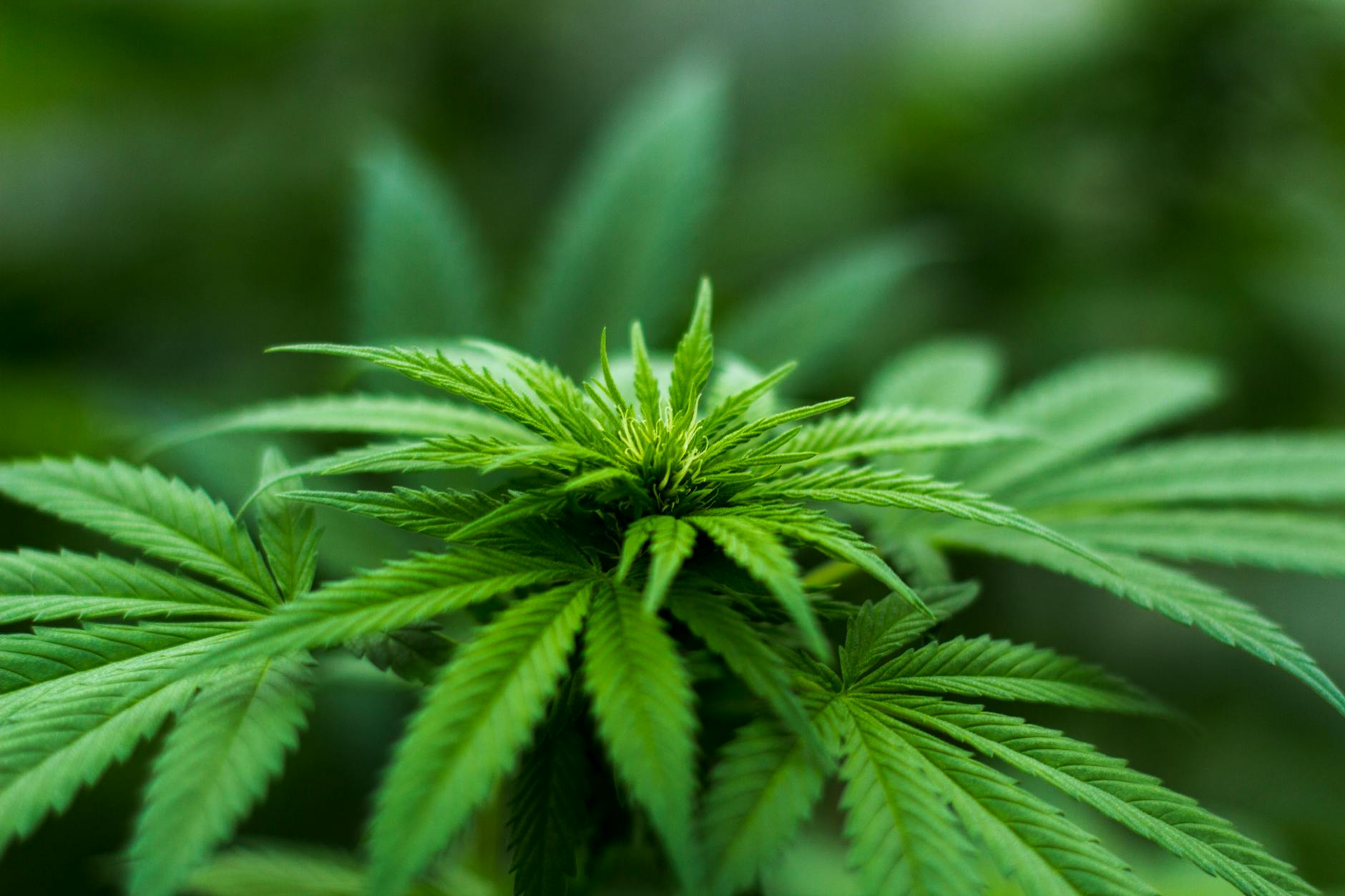
Featured image: Photo by Michael Fischer on Pexels.com



Leave a Reply