Gut bacteria may be quietly breaking down chemical byproducts of cooking that have been linked to disease, according to new research from LMU Munich and TU Dresden in Germany.
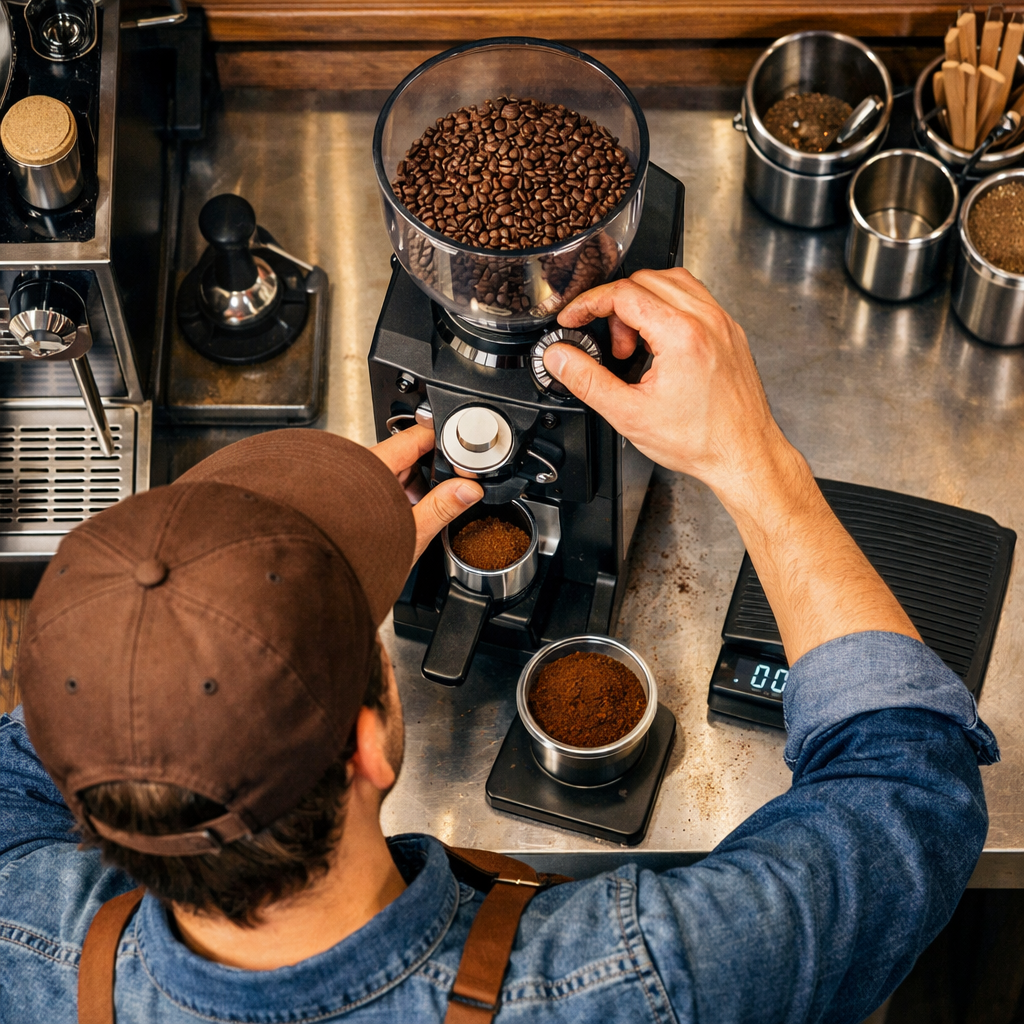
The study, led by PD Dr. Jürgen Lassak of LMU and Professor Michael Hellwig of TU Dresden, focused on Nε-carboxymethyllysine, or CML — a modified amino acid produced by the Maillard reaction, the browning process responsible for the flavor and color of bread crusts, fried meat, and roasted coffee. First co-authors Erica Aveta and Patroklos Vougioukas found that an enzyme in E. coli called SpeC, previously known for a completely different job, can also break down CML — a kind of biochemical Swiss Army knife.
Computational analysis by the team suggests this capability is widespread across the human gut microbiome, not confined to a single strain. CML and related Maillard-reaction compounds have been correlationally linked to bowel cancer, fatty liver disease, and hepatitis, though the researchers stress that no causal relationship has been established — only that gut bacteria appear to be interacting with these compounds far more than previously realized.
Journal: Food Chemistry
Article Title: “Deciphering underground decarboxylase activity towards Nε-modified lysine derivatives in enterobacteria”
DOI: 10.1016/j.foodchem.2026.150234
Publication Date: 29-Jun-2026
Source: EurekAlert

.jpg)

Leave a Reply