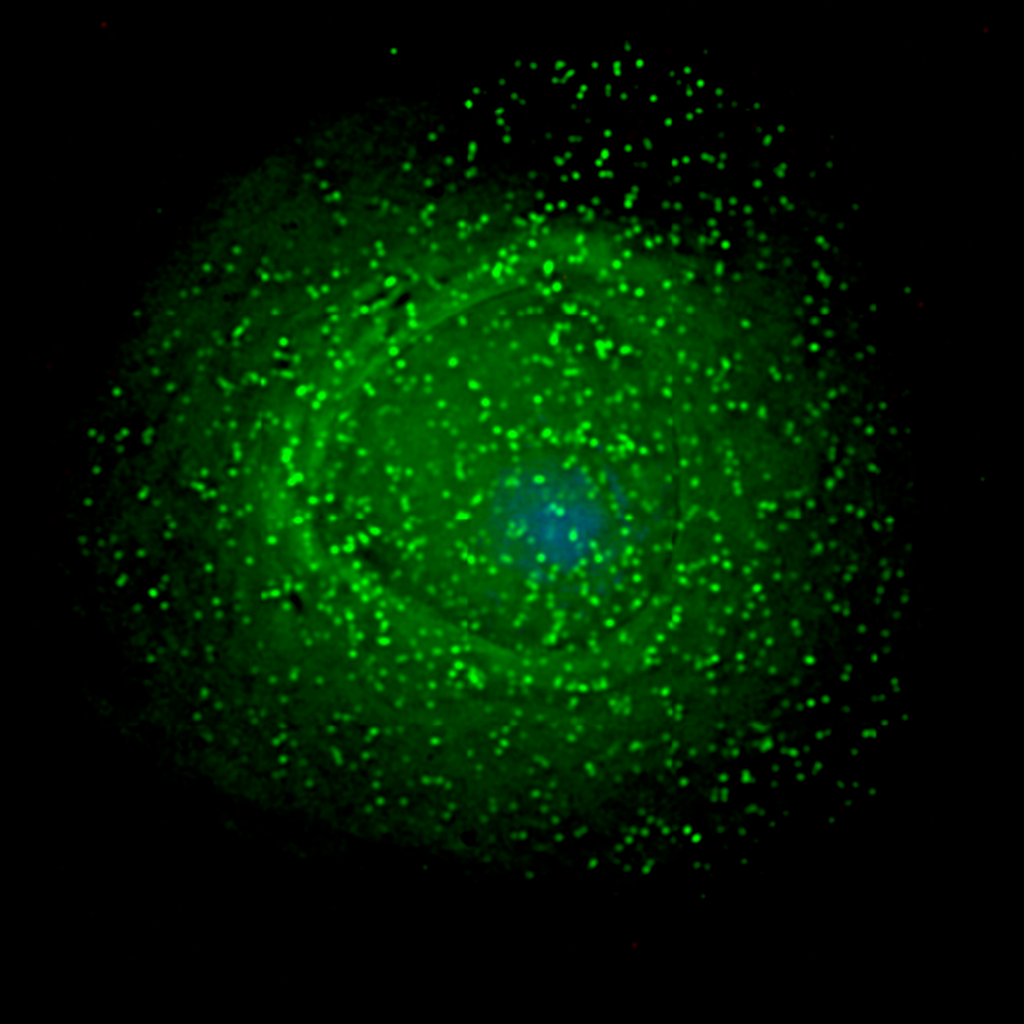
Why does the immune system become less effective with age? A new USC study published in BMC Biology offers fresh insight by examining macrophages — the body’s cleanup and maintenance cells — across tissues. Found in nearly every organ, macrophages fight infection, clear damaged cells, repair tissue and keep inflammation in check, acting as a first line of immune defense.
Researchers analyzed macrophages collected from the brain, lungs, liver and other tissues of young and old mice, comparing patterns of change across many macrophage populations. Aging macrophages across most tissues became more focused on responding to stress and cellular damage, while losing some of the molecular programs involved in maintaining healthy tissue structure. At the same time, the team found that macrophages in different organs age differently — brain macrophages, for instance, showed distinct changes compared with lung macrophages — and that aging affects macrophages differently in males and females.
“We wanted to understand whether immune cells age in the same way throughout the body or whether each tissue has its own aging story. The answer turned out to be both.”
Bérénice Benayoun, USC Leonard Davis School of Gerontology, senior author
The study also identified a set of genes and pathways that changed consistently across many types of macrophages — changes that, because they recurred across tissues, could represent core features of immune aging and potential targets for future treatments. The work drew on a large body of publicly available sequencing data from dozens of prior studies. “There’s an incredible wealth of publicly available, underutilized sequencing data for studying immune aging,” said lead author Ella Schwab, a Benayoun lab PhD student. “By analyzing data from dozens of pre-existing studies, we could examine how macrophages age across tissues and between sexes — something no single study had the power to do alone.”
Publication
The study, “Shared and niche-specific transcriptional signatures of macrophage aging revealed by a cross-tissue meta-analysis,” was published in BMC Biology on July 15, 2026 (DOI: 10.1186/s12915-026-02672-x), funded by the Hevolution Foundation.




Leave a Reply