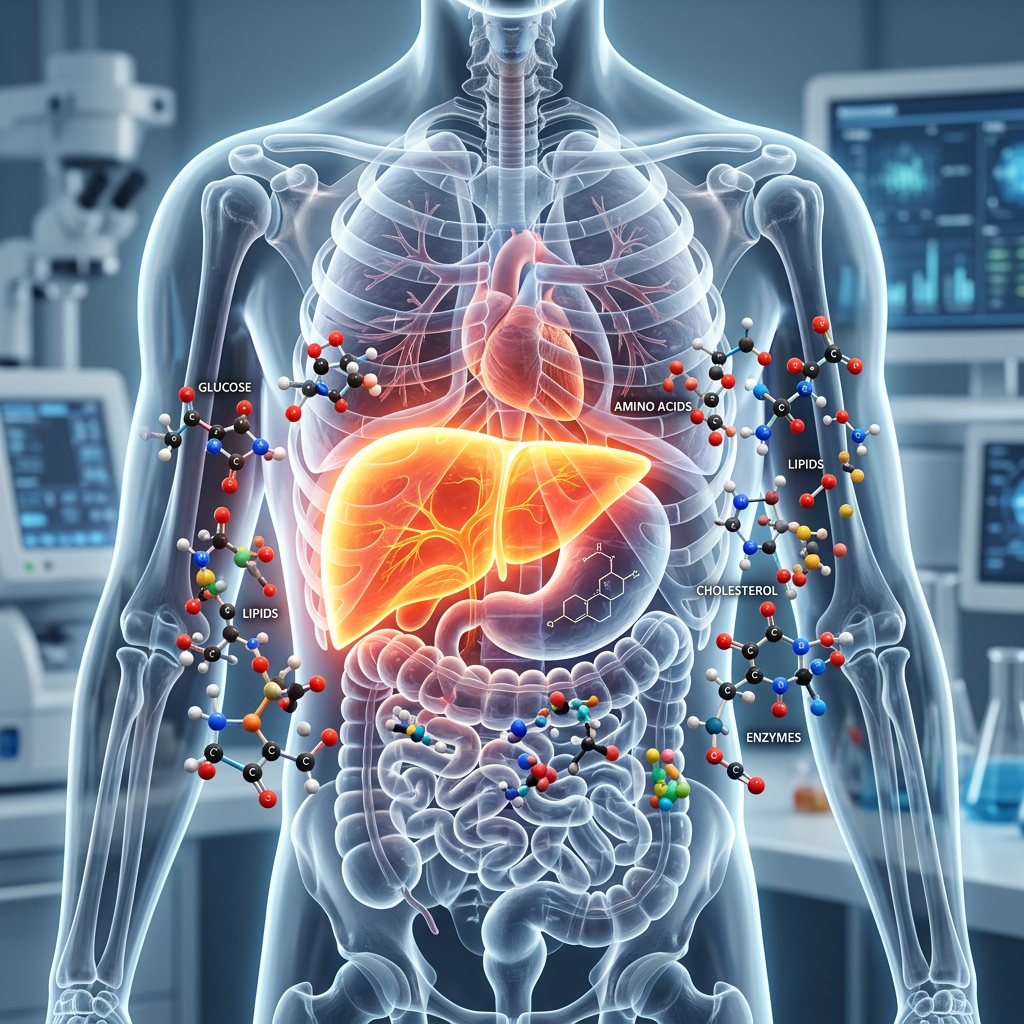
Researchers at the University of Basel have developed a novel approach to treating liver cancer by creating a collection of 35 mini-tumors, or organoids, derived from patient samples. Since liver tumors vary significantly between patients, this diversity-capturing method allows systematic testing of potential treatments.
The team screened more than 1,600 compounds across these organoid models, identifying several promising candidates. Rather than targeting single tumor vulnerabilities, they focused on “combinations of drugs with different mechanisms of action,” as explained by lead researcher Markus Heim. This strategy aims to maintain effectiveness across tumors with varying biological characteristics.
A particularly promising three-drug combination—regorafenib, selinexor, and ixazomib—demonstrated superior tumor growth suppression in mouse models compared to single-agent therapy, without significant additional toxicity.
The researchers acknowledge that organoids have limitations, as they “only incompletely capture blood vessels, immune cells, and other components of a tumor’s microenvironment.” Despite this, their work demonstrates how patient-derived organoid collections can facilitate drug discovery and development of effective combination therapies.
Journal: Cell Reports
DOI: 10.1016/j.celrep.2026.117895
Article Title: Hepatocellular carcinoma organoids enable drug discovery and combination therapy across heterogeneous tumors
Publication Date: 22-Sep-2026
Institution: University of Basel
Source: EurekAlert



Leave a Reply